Application-Tested Handling
Product transfer and pack formation are confirmed around representative samples.
Vision Inspection
A configurable machine-vision system for labels, codes, closures, fill levels, dimensions and presence checks with tracked rejection and production data options.
Model VI-300
A configurable machine-vision system for labels, codes, closures, fill levels, dimensions and presence checks with tracked rejection and production data options.
Product transfer and pack formation are confirmed around representative samples.
Stored settings and guided adjustments support multiple product formats.
Signals, transfer heights and accumulation logic are defined with adjacent equipment.
Electrical standards, documentation and commissioning scope can be adapted by market.
Equipment Snapshot
Demonstration figures show how a professional equipment page can present the operating range without hiding project-dependent conditions.
Dependent on inspection count and image complexity.
Additional views available by application.
Defects are defined during application review.
Reject type depends on product and line speed.
Equipment Overview
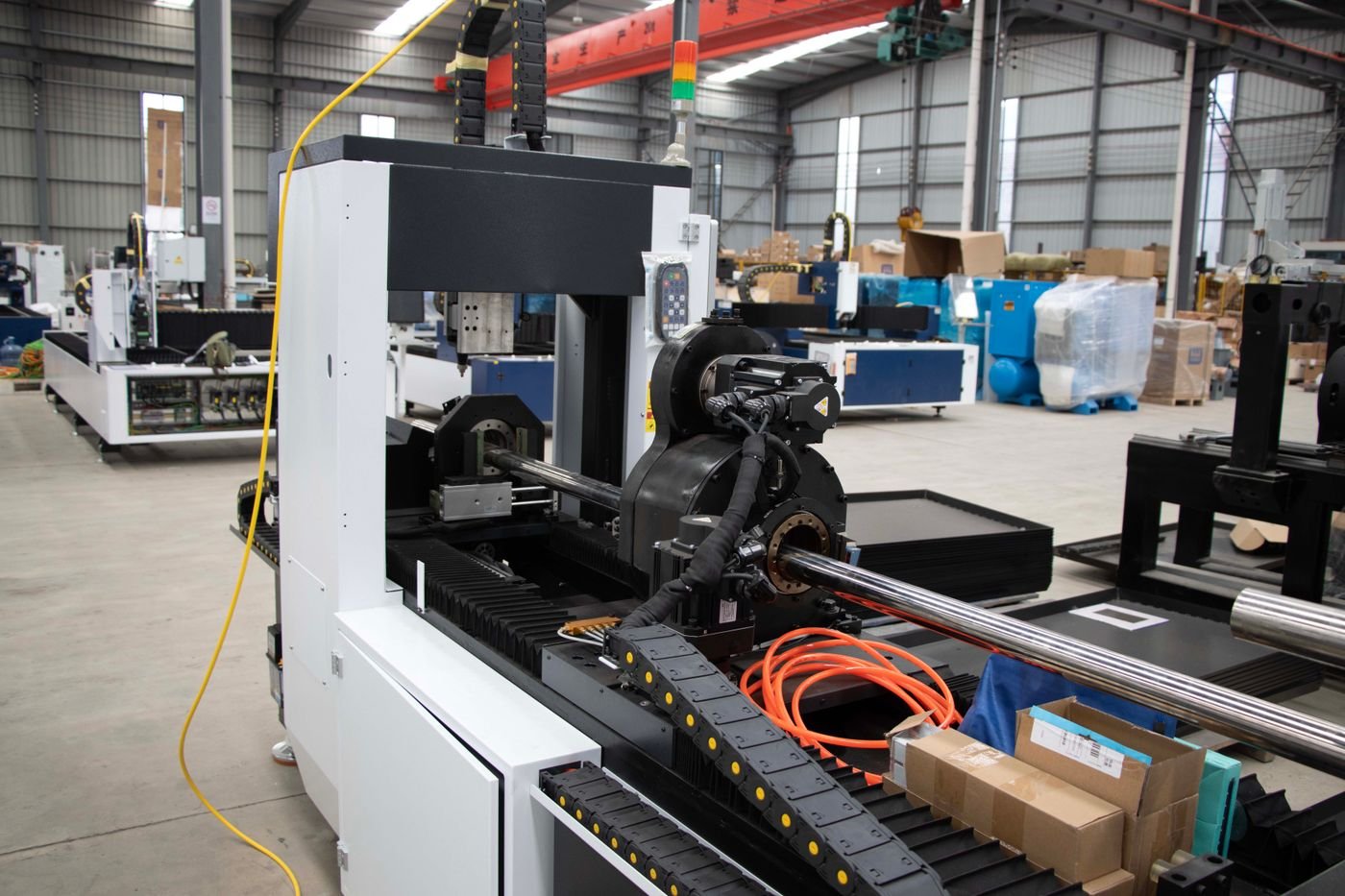
The VI-300 combines controlled lighting, industrial cameras, inspection software, product tracking and verified rejection. The inspection concept is built around specific defect modes rather than a generic camera package.
Good samples, known defects and normal process variation are collected before the final algorithm and lighting arrangement are approved. The system can inspect one surface or coordinate several cameras around a moving product.
Results can be exchanged with the line PLC, stored for review or connected to higher-level production systems when traceability is part of the project scope.
Technical Specifications
Final values are confirmed after sample, layout, utility and interface review. Each row can include an explanatory note instead of presenting isolated numbers.
Stable product position improves inspection repeatability.
Field of view and required defect size determine resolution.
Chosen to create reliable contrast for the target defect.
Character set and print variation must be reviewed.
Selected by product weight, speed and downstream flow.
Confirms the defective product entered the reject container.
Data ownership and retention are defined in the scope.
Controls ambient light and protects operators and equipment.
Project Advantages
These benefits come from application review, defined interfaces and measurable acceptance criteria rather than decorative feature claims.
Camera, lens and lighting are selected around known defects and required feature size.
Encoder or sensor tracking connects each inspection result to the correct reject action.
Optional confirmation logic reduces the risk of a failed product remaining in the good stream.
Result counts, images and alarms can support process improvement and traceability.
Typical Applications
Application suitability is confirmed against real samples, speed and environmental conditions before the final machine configuration is released.
Presence, position, orientation and artwork checks.
Date code, batch code, 1D and 2D code reading.
Cap, seal, insert, leaflet or component verification.
Profile, height, fill line and assembly measurements.
Configuration & Integration
A complete quotation identifies what the machine receives, what it delivers and which functions belong to adjacent equipment or the customer site.
Transfer height, product orientation, access, guarding and installation clearances.
Power, safety, run permission, fault status, speed references and network connections.
Samples, utilities, local work, lifting, installation, validation and site acceptance responsibilities.
Operating Sequence
Lighting, image capture, inspection logic and reject timing operate as one controlled sequence.
A sensor or encoder establishes the product position and inspection trigger.
Lighting and exposure create a repeatable image despite normal production movement.
Configured tools evaluate presence, text, code, position, dimension or defect criteria.
The result follows the product from the camera to the correct reject position.
Failed products are removed and the result is counted, stored or shared as specified.
Configuration Comparison
Use the same comparison factors when evaluating competing technical proposals.
| Inspection Factor | Presence & Position | OCR / Code | Measurement & Defect |
|---|---|---|---|
| Typical target | Cap, label, component | Date, batch, barcode | Dimension, shape, surface |
| Main challenge | Repeatable orientation | Print variation and contrast | Small defects and process variation |
| Lighting focus | Edge and feature visibility | Character contrast | Surface or silhouette control |
| Validation data | Good and missing samples | Valid and invalid print samples | Known defect library and tolerances |
| Output | Pass / fail | Read value + pass / fail | Measurement or classified defect |
Technical Review
Each tab answers a different procurement question and demonstrates a deeper product-content structure.
List every required inspection, acceptable tolerance, known false-reject risk and whether the result must stop the line, reject the product or only create an alarm.
Field of view, working distance, smallest defect, product motion and surface properties determine the imaging hardware.
Guides, spacing and orientation may be as important as the camera. Uncontrolled presentation increases false rejects and missed defects.
Reject timing, confirmation, full-bin alarms and fail-safe behavior are specified around line speed and product characteristics.
Counts, images, code values, batch identifiers and production reports can be exchanged when data ownership and retention are agreed.
Factory Acceptance Testing
Testing uses agreed samples, functions and acceptance methods. Project-dependent items are recorded rather than hidden.
Confirm representative samples and normal process variation.
Challenge every configured inspection with known pass and fail samples.
Run production variation to identify unstable thresholds or presentation issues.
Verify that each failed result removes the correct physical product.
Check result records, images, user access and report outputs where included.
Procurement Risk Review
A professional product page should make risk and project assumptions visible, not only list attractive features.
Rated speed is quoted without product and operating assumptions.
Tie output to approved samples, format, buffer condition, reject logic and FAT method.
Machine boundaries and adjacent-equipment responsibilities are unclear.
Approve a layout, interface list and responsibility matrix before manufacturing.
Installation and ramp-up support are discussed after shipment.
Define site readiness, commissioning, training, spares and remote support in the project scope.
Project Documents
These demonstration resources show how an independent site can present technical depth and reduce uncertainty before inquiry.
Equipment FAQ
The answers identify what must be confirmed during technical review instead of presenting unsupported guarantees.
Provide normal good products, known defects, printing variation, different colors or finishes and samples from the full size range. A defect catalogue is more useful than a general request for camera inspection.
Yes. Recipes can change camera regions, thresholds and reject timing. Mechanical guides or camera positions may also require adjustment for large format changes.
Stable product presentation, controlled lighting, representative samples and an agreed tolerance window are essential. FAT should include normal production variation.
Yes, subject to the required image volume, retention period, network architecture and data policy. These requirements should be defined before hardware selection.
The system can monitor reject confirmation and bin status, then stop the line or create an alarm according to the approved fail-safe philosophy.
Optional interfaces can share counts, codes, batch data or inspection results. The protocol and responsibility boundary must be confirmed during technical review.
Related Equipment
Review upstream, downstream and complementary equipment using the same structured product system.
Buyer Resources
Long-form selection guides help buyers prepare better inputs, evaluate suppliers and define acceptance criteria.
Request a Technical Proposal
Attach representative product photos, drawings, packaging information or a short production video. The first response should identify missing technical inputs and a practical next step.