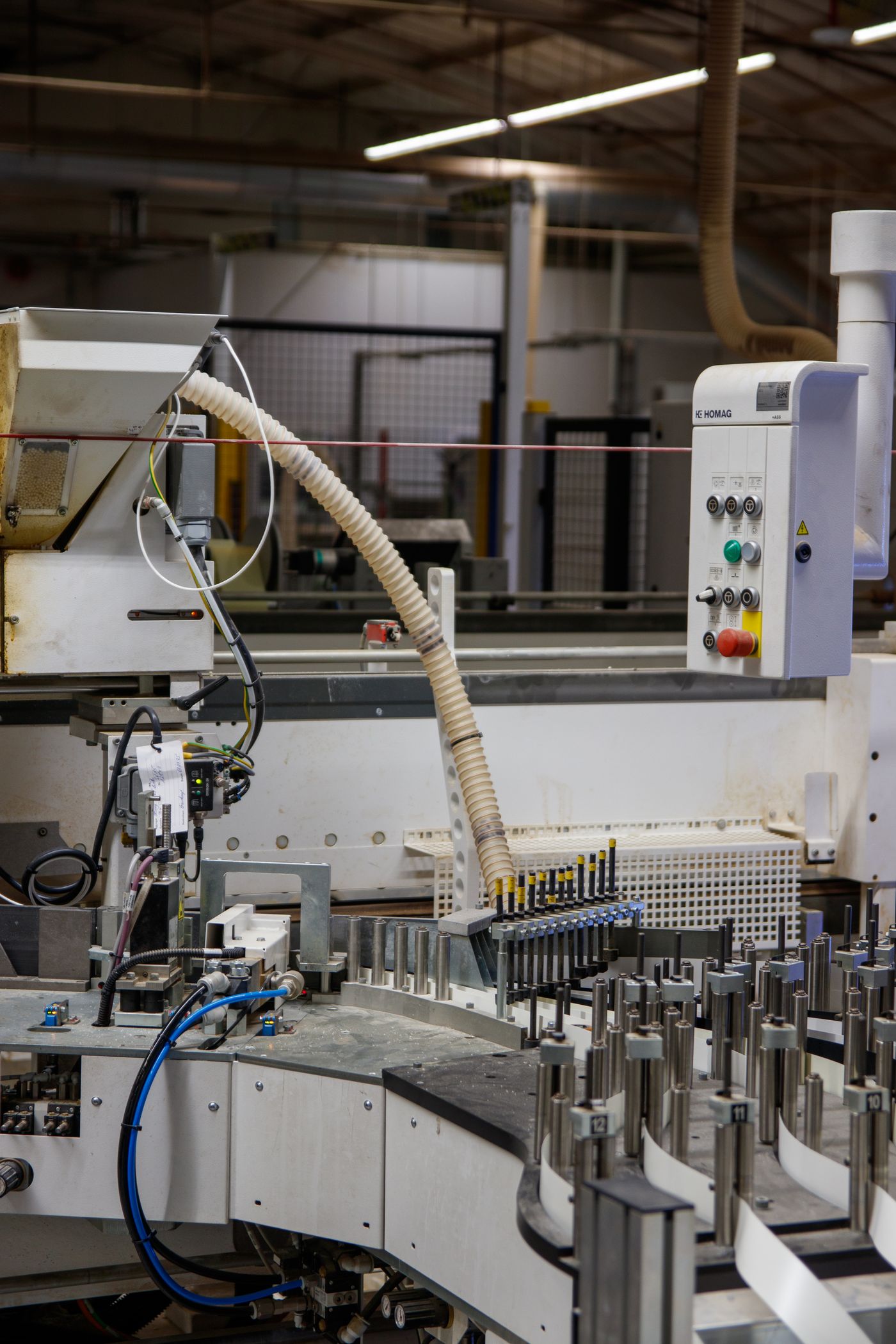
Secondary Packaging
Automatic Case Packing Systems
Flexible side-load and top-load solutions for cartons, pouches, bottles and bundled products.
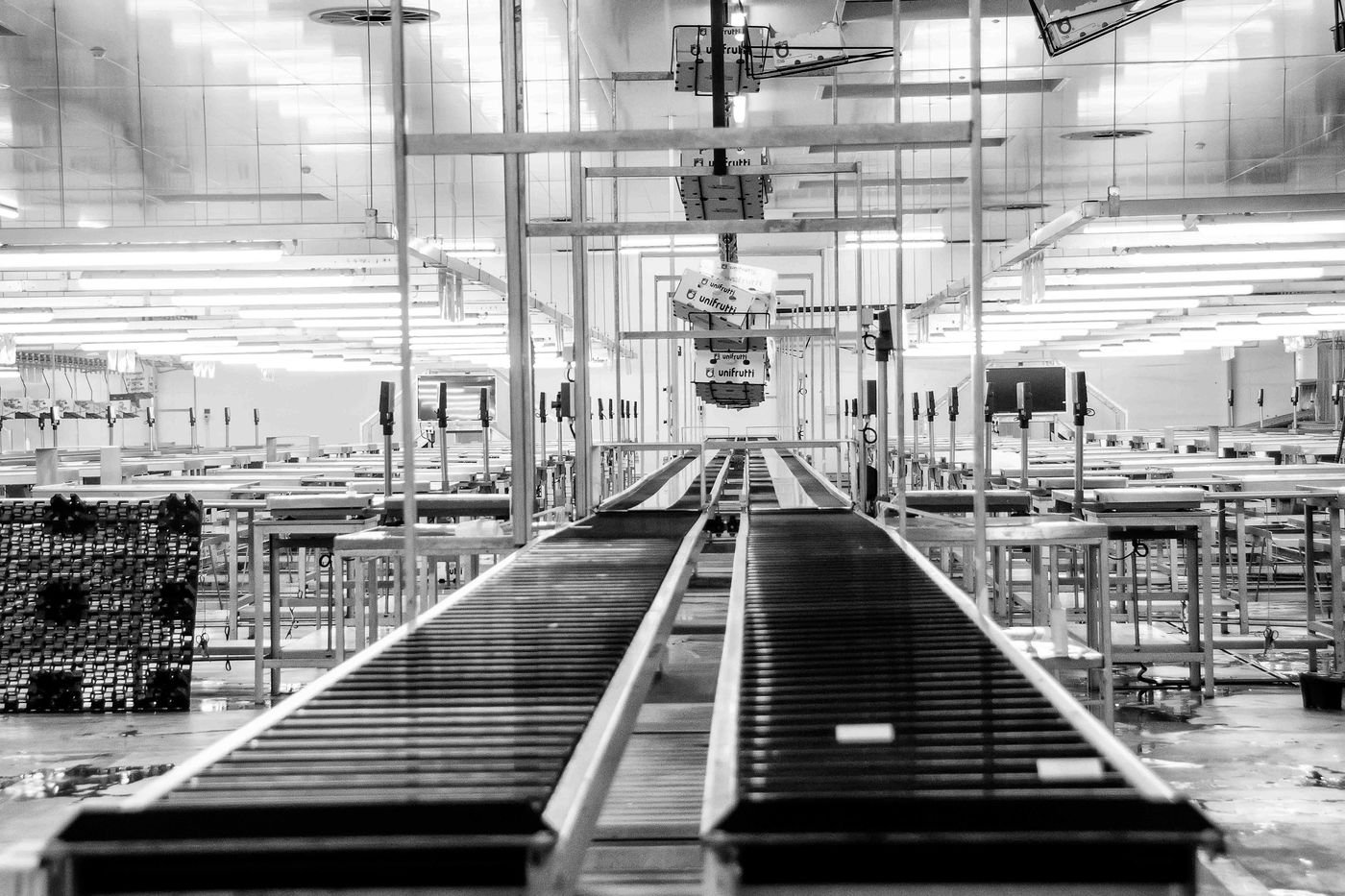
Solution Building Blocks
Packaging, inspection, conveying and robotic modules can be supplied individually or coordinated through one line-level design.
Secondary Packaging
Flexible side-load and top-load solutions for cartons, pouches, bottles and bundled products.
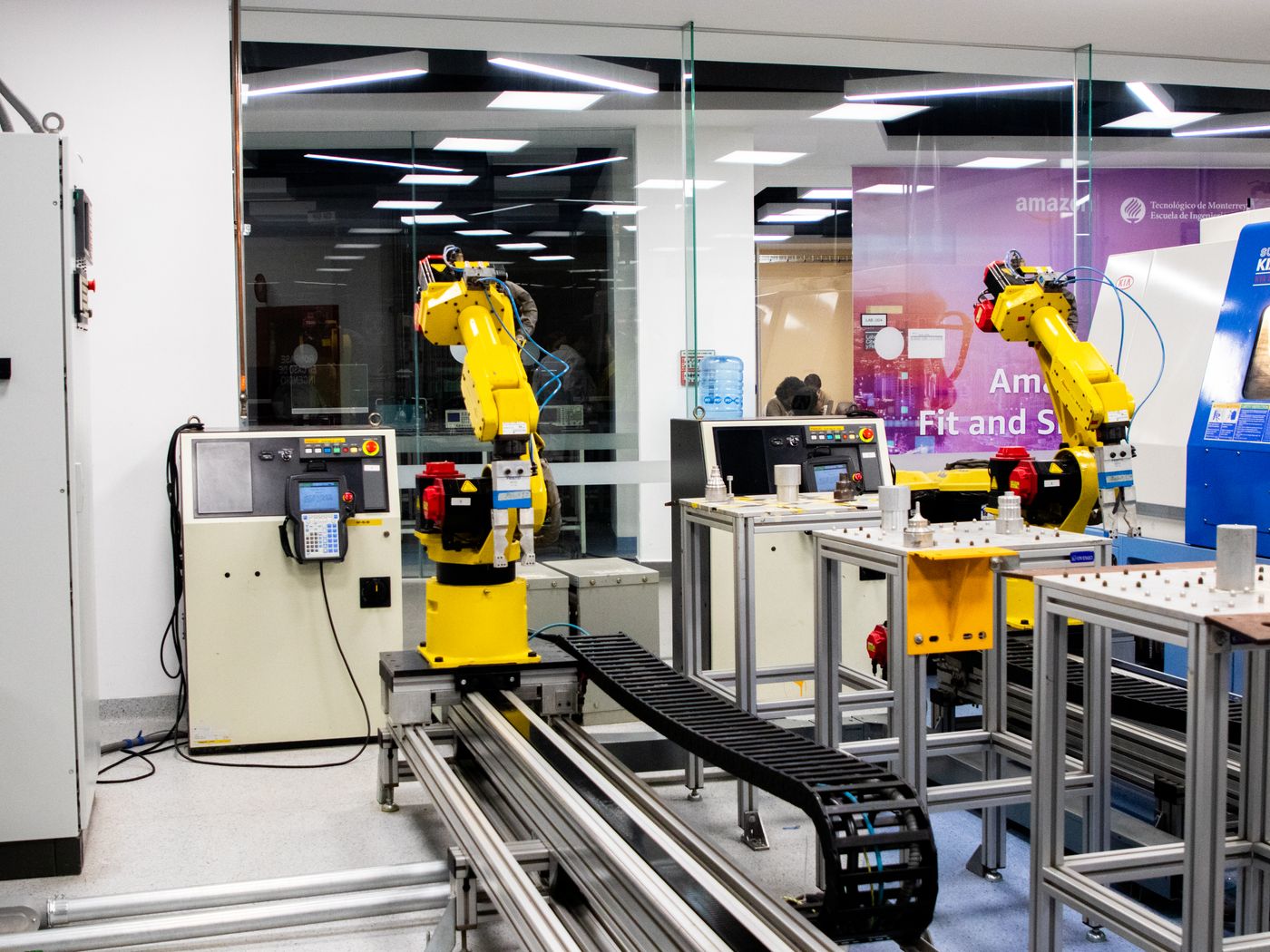
End-of-Line
Compact robot cells with grippers, safety systems and pallet handling for multiple SKUs.
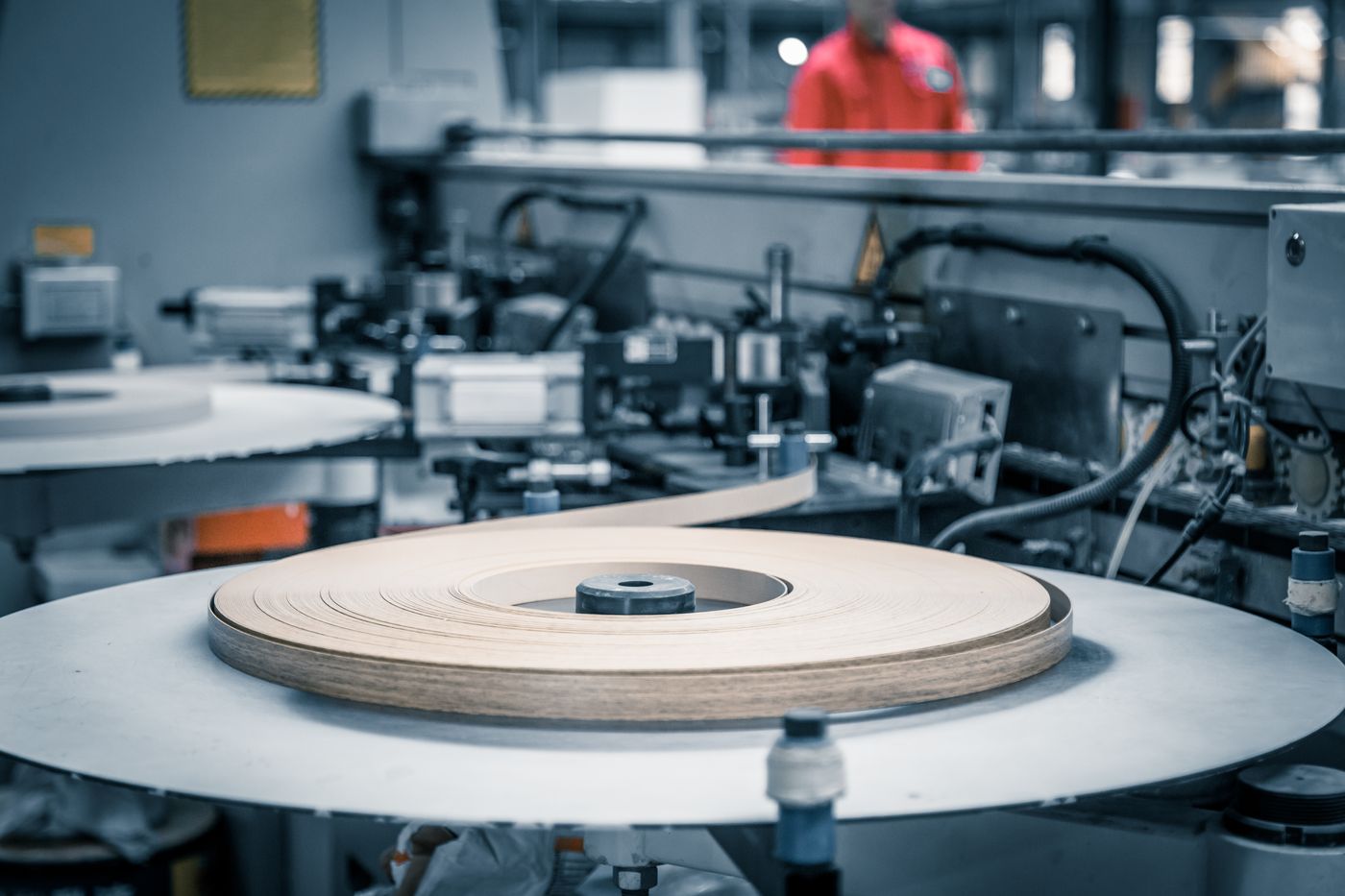
Quality Assurance
Camera-based inspection for labels, codes, caps, fill levels, dimensions and product presence.
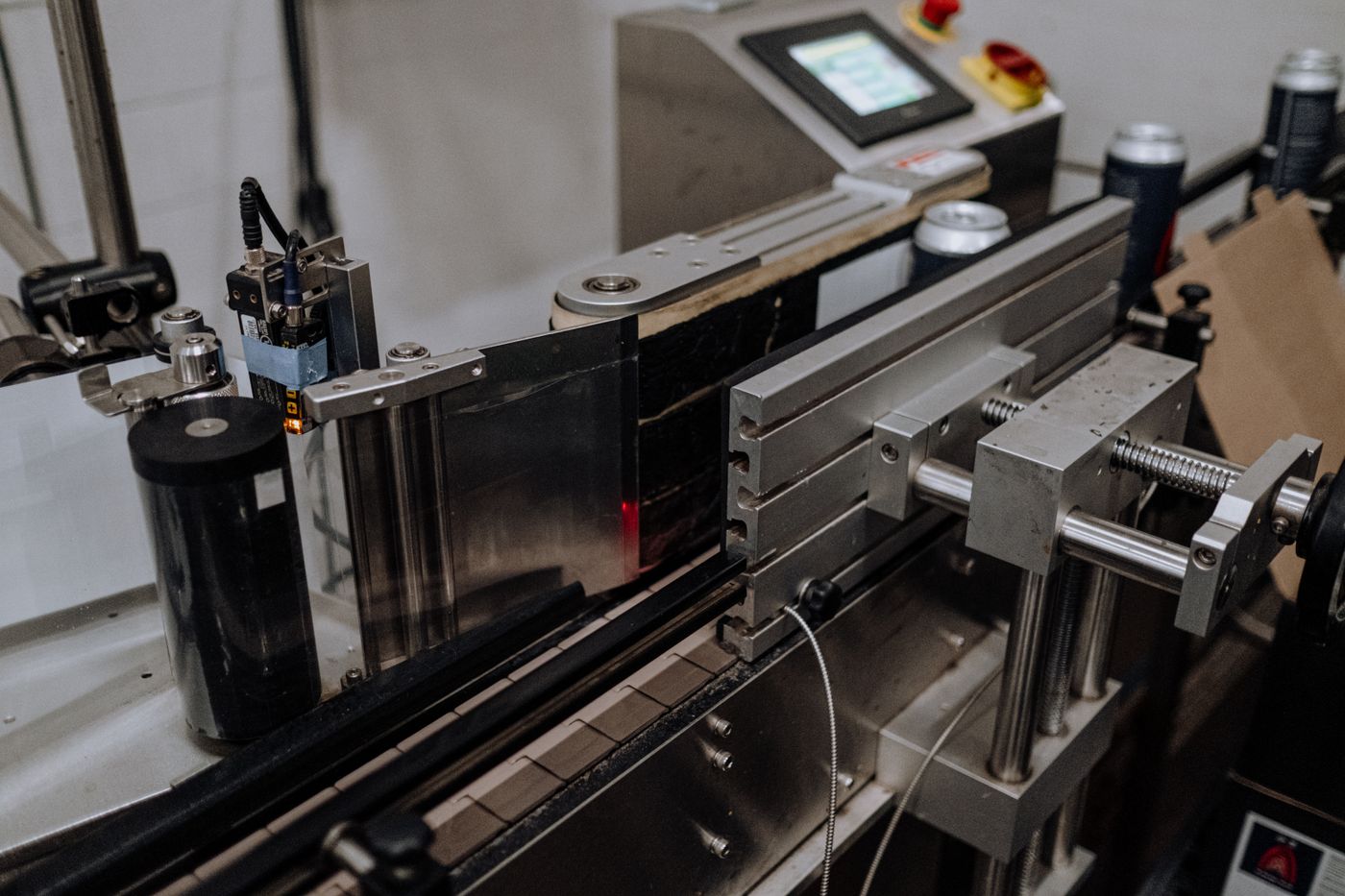
Identification
High-speed labeling, date coding and traceability integration for modern packaging lines.
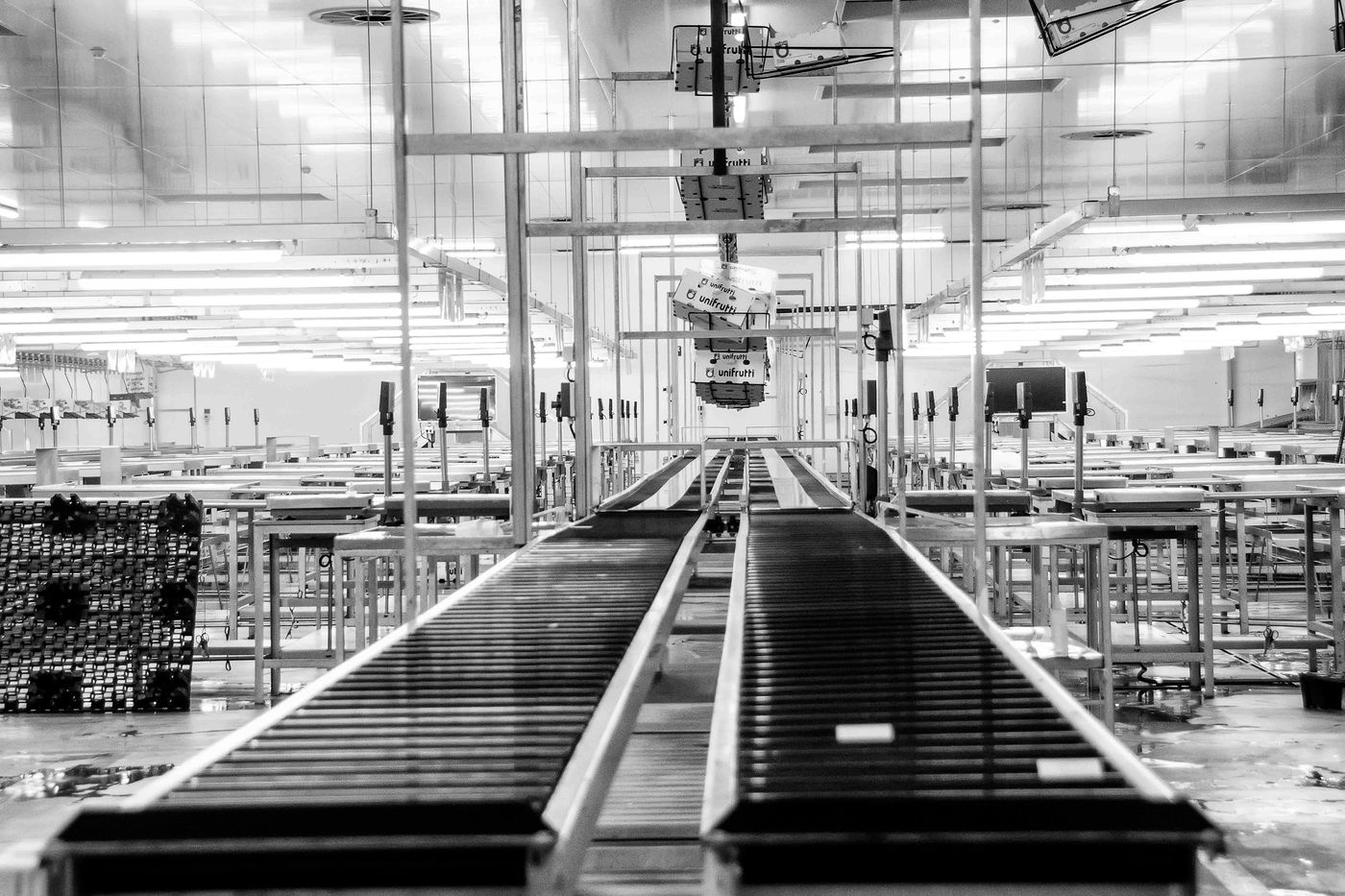
Material Flow
Straight, curved, elevating and accumulation conveyors designed around real factory layouts.
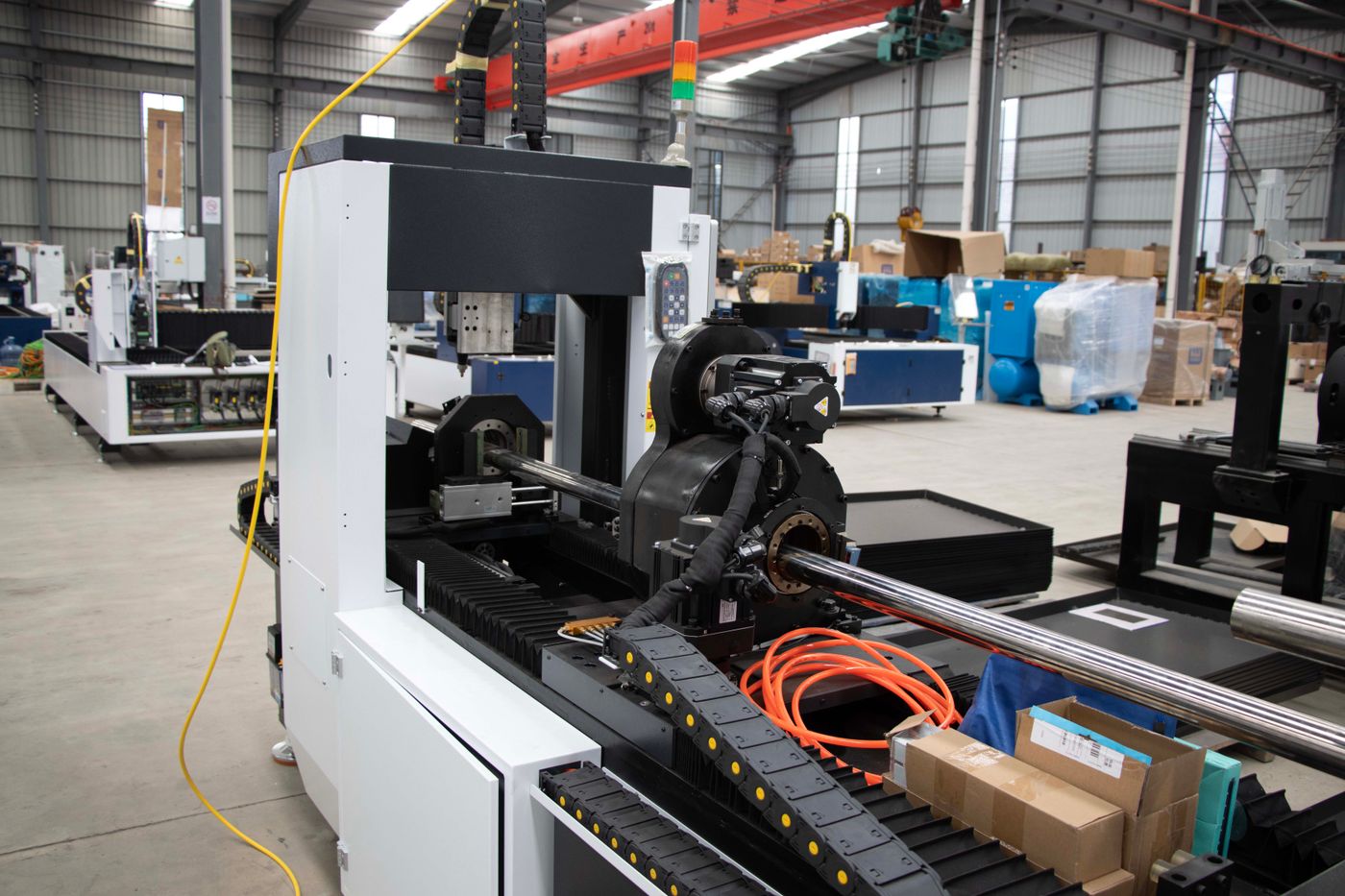
Line Integration
PLC, HMI, servo, safety and production-data integration for individual machines or complete lines.
Factory Challenges
A solution page should connect business and operating concerns to specific technical decisions.
Manual output varies by shift and operator availability.
Study the repetitive process, product variation and target output before selecting an automation level.
Several machines operate independently and stop the line unpredictably.
Define accumulation, line states, fault handshakes and controlled restart across the complete process.
Quality defects are discovered after packing or shipment.
Move measurable inspections into the process with tracked rejection and result data.
Changeovers create long and inconsistent production stops.
Separate recipes, marked adjustments and dedicated parts, then validate the changeover method during FAT.
Automation Scope
The most complex solution is not automatically the best. Compare project scope, interfaces and support requirements.
| Project Factor | Standalone Machine | Integrated Cell | Turnkey Line |
|---|---|---|---|
| Best for | One defined process | Several coordinated operations | Complete production flow |
| Controls | Local PLC/HMI | Cell-level coordination | Line supervisory control |
| Project scope | Machine supply | Machine, guarding and interfaces | Design, integration and commissioning |
Solution Design Principles
Product handling, line balance, maintainability and acceptance must be solved together.
Machine configuration begins with product dimensions, target speed, pack pattern, available floor space and operating conditions.
Layout, interface list, drawings, software functions and FAT criteria are confirmed before each major manufacturing stage.
Components, access points, guarding and controls are selected with maintenance, changeover and future expansion in mind.
Documentation, remote diagnostics, spare-parts planning and on-site commissioning can be aligned with the destination market.
Solution Development
Each stage produces a decision that the buyer can review before the project advances.
Confirm product, packaging, speed, utilities, line interfaces and site constraints.
Develop equipment selection, process flow, preliminary layout and project boundaries.
Approve drawings, component standards, controls, guarding and acceptance criteria.
Fabricate, assemble, wire and program equipment under one controlled schedule.
Run agreed tests, close punch-list items and prepare shipment documentation.
Commission the system, train operators and provide ongoing technical support.
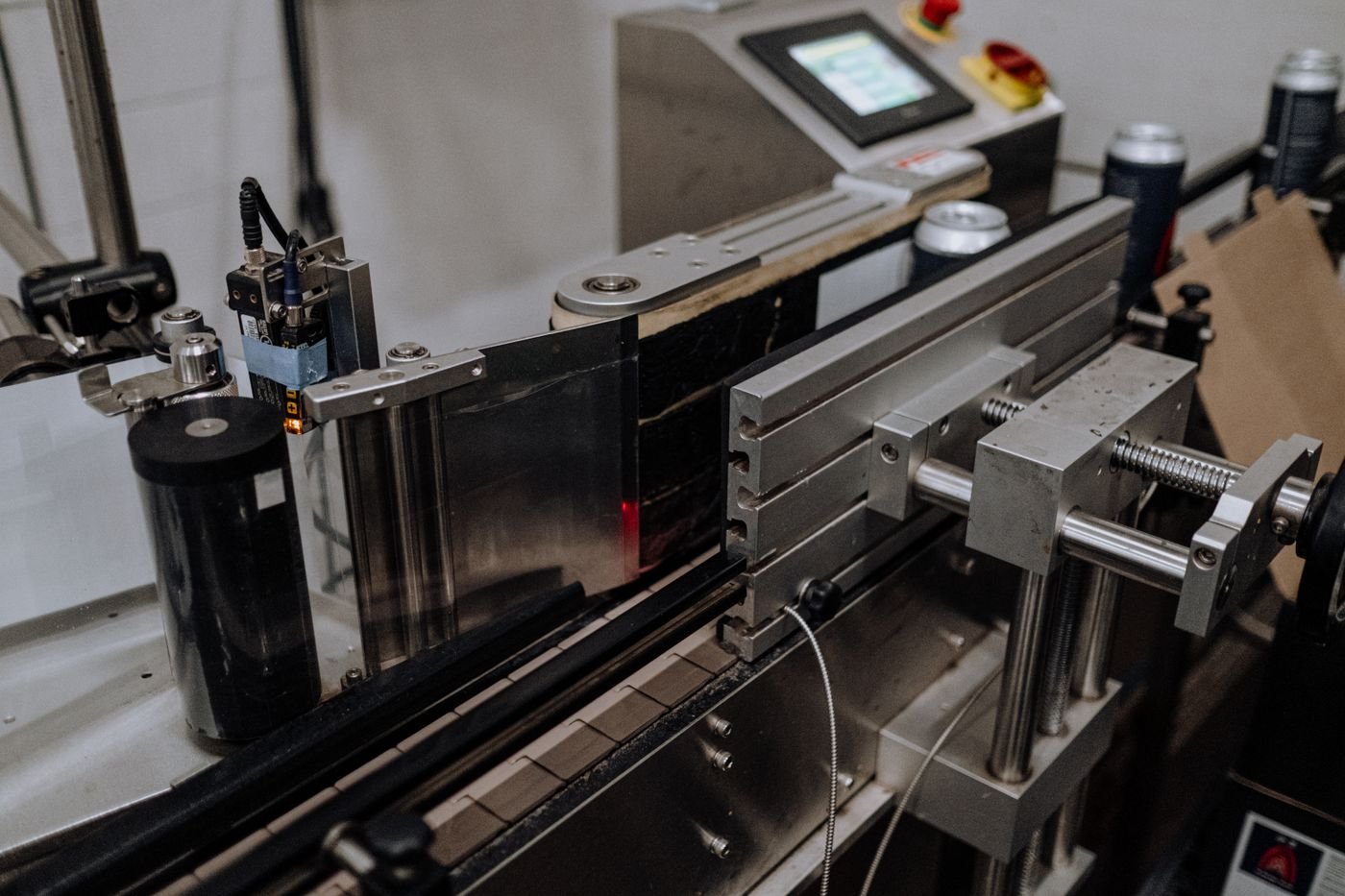
Solution Example
The solution combined product handling, code verification, case packing and palletizing while keeping format changes and operator access practical.
Technical Resources
Layouts, interface lists, equipment data and FAT plans turn a general concept into a reviewable project scope.
Solution FAQ
Clarify output, product range, labor goals, retained equipment and site constraints before comparing prices.
Please share product dimensions and weight, current packaging, target speed, required pack pattern, available layout, utilities, destination standard and any upstream or downstream equipment.
Usually yes, within a defined operating range. The proposal should identify no-tool adjustments, change parts, recipe settings and the expected changeover time.
A factory acceptance test is prepared around the agreed products, speed, functions, alarms, safety checks and documentation. Customer samples are strongly recommended.
Remote guidance and on-site commissioning can be planned according to project scope, location and local contractor capability.
Siemens, Allen-Bradley and other internationally supported platforms can be discussed. Final selection depends on destination standards and the customer’s maintenance preference.
Define the Right Scope
Share the current process, desired output, product range and available layout so the solution discussion begins with the right questions.