Years of Engineering
Automation design, equipment manufacturing and controls integration.
Demonstration Company Profile
These fictional figures demonstrate how capability data can be presented with context rather than as unsupported numbers.
Automation design, equipment manufacturing and controls integration.
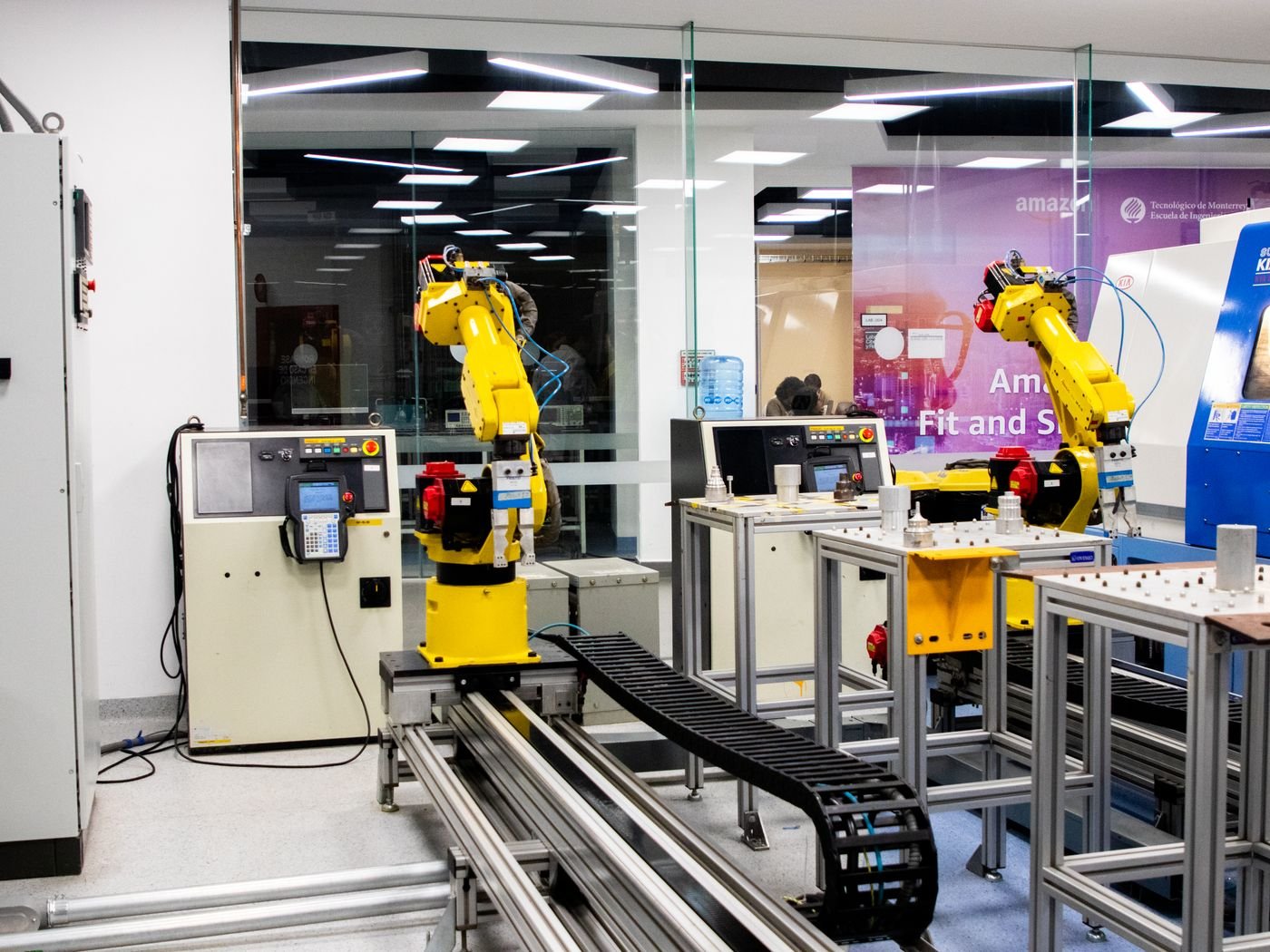
Machines, robotic cells, conveyors and integrated lines.
Assembly, wiring, software integration and FAT areas.
Project documentation and service for international delivery.
Engineering and Manufacturing
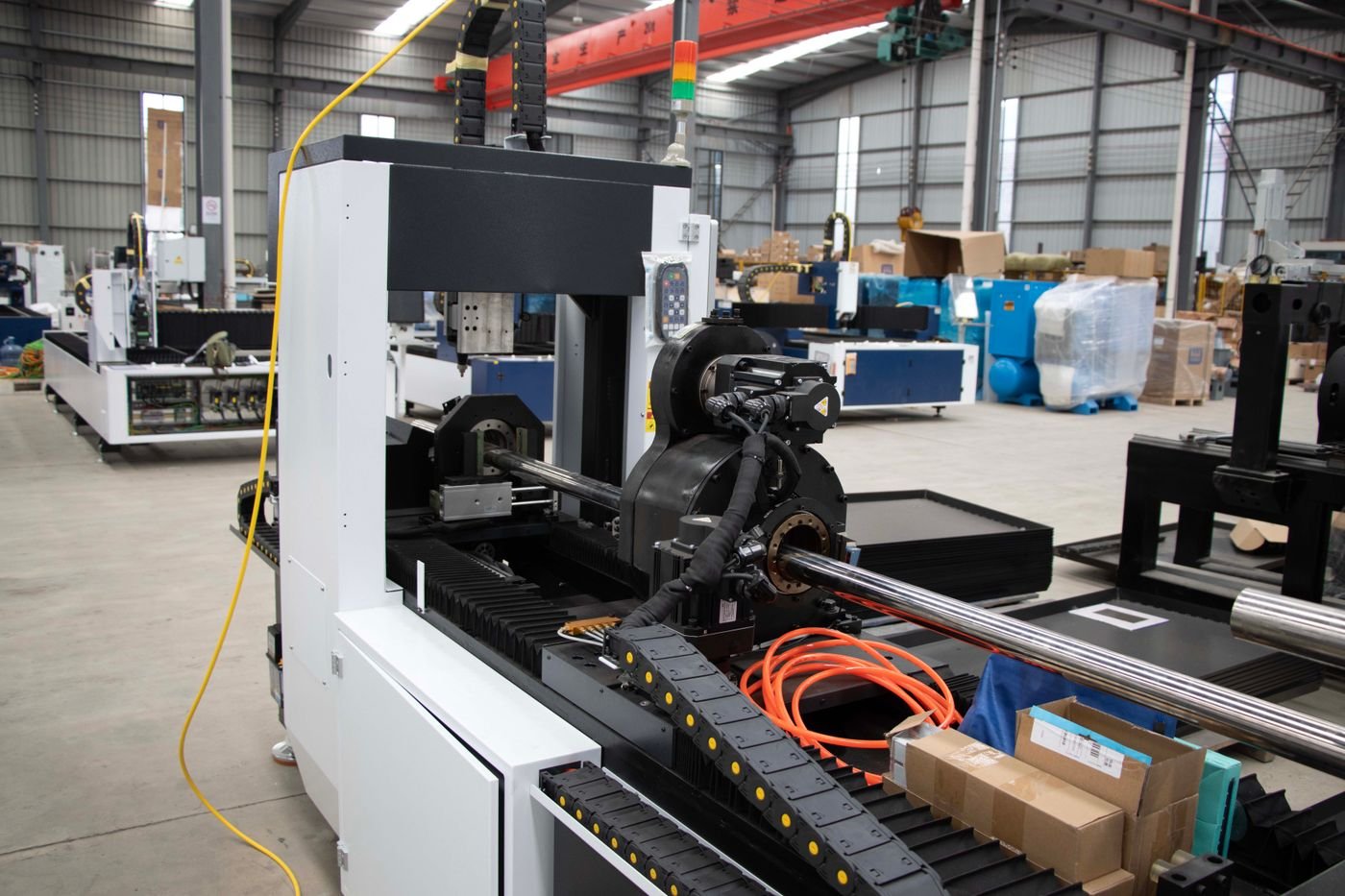
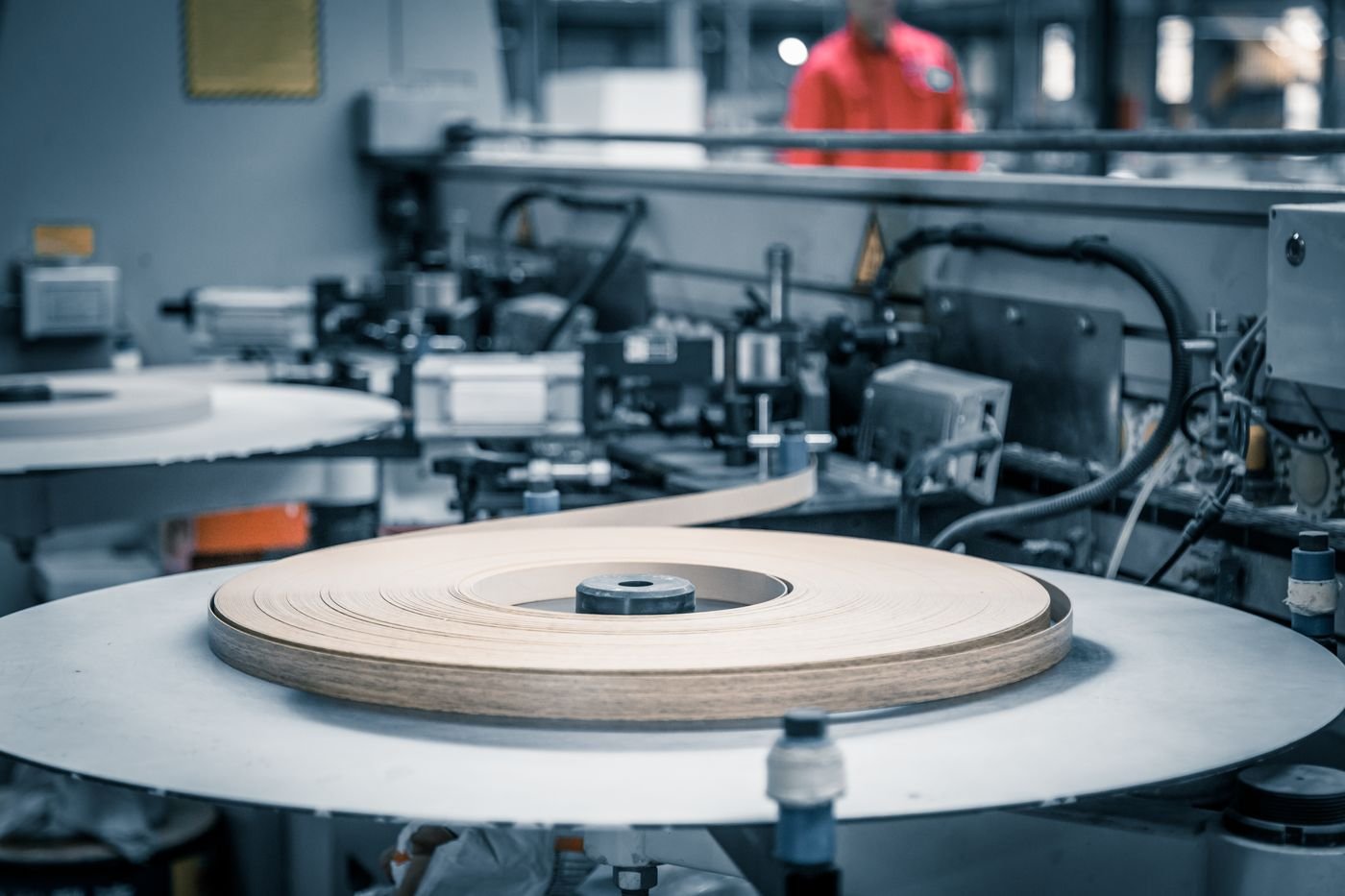
Mechanical design, electrical design, software, assembly and testing are coordinated around one approved technical baseline. This reduces the gaps that appear when separate suppliers own different parts of the project.
The buyer receives visible checkpoints for layout, interfaces, component standards, software functions and acceptance criteria before the machine reaches shipment.
Product review, process study, equipment selection and preliminary layout.
Drawings, controls, guarding, interfaces, recipes and diagnostic functions.
Sample testing, fault challenges, manuals, backups, training and punch-list closure.
Operating Principles
Professional delivery depends on technical clarity, practical maintenance and measurable acceptance.
Representative products, packaging, speeds and factory constraints guide the equipment concept.
Transfer points, signals, utilities and responsibility boundaries are approved before build.
Access, changeover, cleaning, diagnostics and spare parts are considered during engineering.
FAT connects the proposal to observable functions, output, safety and documentation.
Capability Development
Timeline content helps an industrial company explain how its current capability was built, rather than presenting a generic company paragraph.
Focused on standard conveyors, sealing and secondary packaging equipment.
Expanded PLC, servo, machine-vision and robotic cell engineering.
Added line-level controls, coordinated FAT and international commissioning support.
Combines proven machine platforms with project-specific engineering and lifecycle service.
Facility and Project Gallery
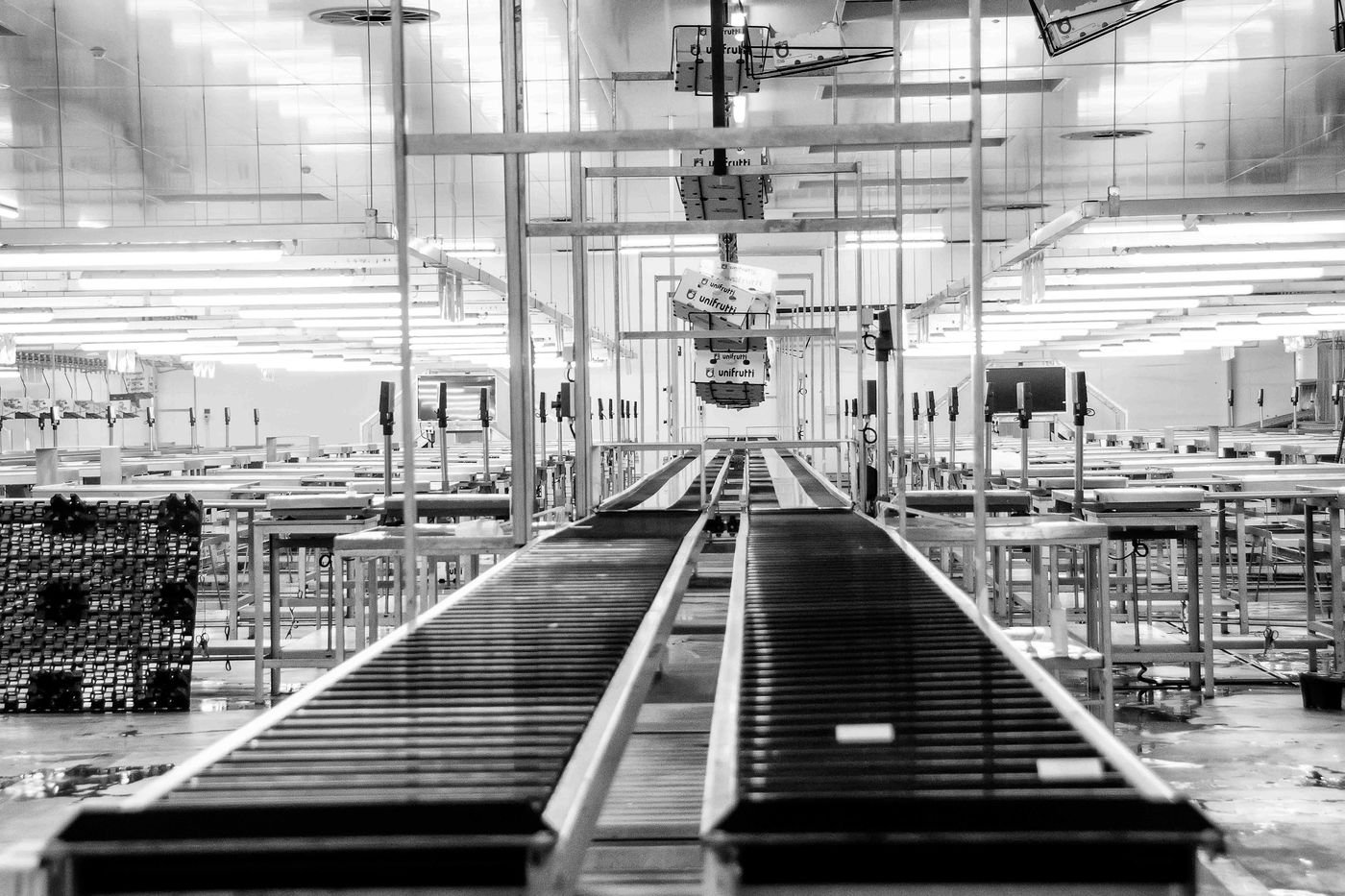
Real industrial websites should show different stages of the work instead of repeating one hero image.
Company Documents
Replace demonstration resources with verified company certifications, quality procedures and project documentation samples.
Customer Perspective
Role-based testimonials demonstrate the type of project outcome that matters to operations and engineering teams.
The team converted our product list and floor-space limits into a clear layout, then tracked every interface through FAT.
 Operations Manager Food Manufacturer, Europe
Changeover access, spare parts and remote support were discussed before the order, not after the machine arrived.
 Engineering Director Consumer Goods, Middle East
The project documents made installation far easier for our local electrical and mechanical contractors.
 Project Integrator North America
Company FAQ
Answers should clarify project boundaries, standards, testing and support before a buyer requests a formal proposal.
Please share product dimensions and weight, current packaging, target speed, required pack pattern, available layout, utilities, destination standard and any upstream or downstream equipment.
Usually yes, within a defined operating range. The proposal should identify no-tool adjustments, change parts, recipe settings and the expected changeover time.
A factory acceptance test is prepared around the agreed products, speed, functions, alarms, safety checks and documentation. Customer samples are strongly recommended.
Remote guidance and on-site commissioning can be planned according to project scope, location and local contractor capability.
Siemens, Allen-Bradley and other internationally supported platforms can be discussed. Final selection depends on destination standards and the customer’s maintenance preference.
Start with the Application
The first engineering discussion should identify the key unknowns, practical next steps and information needed for a useful concept.