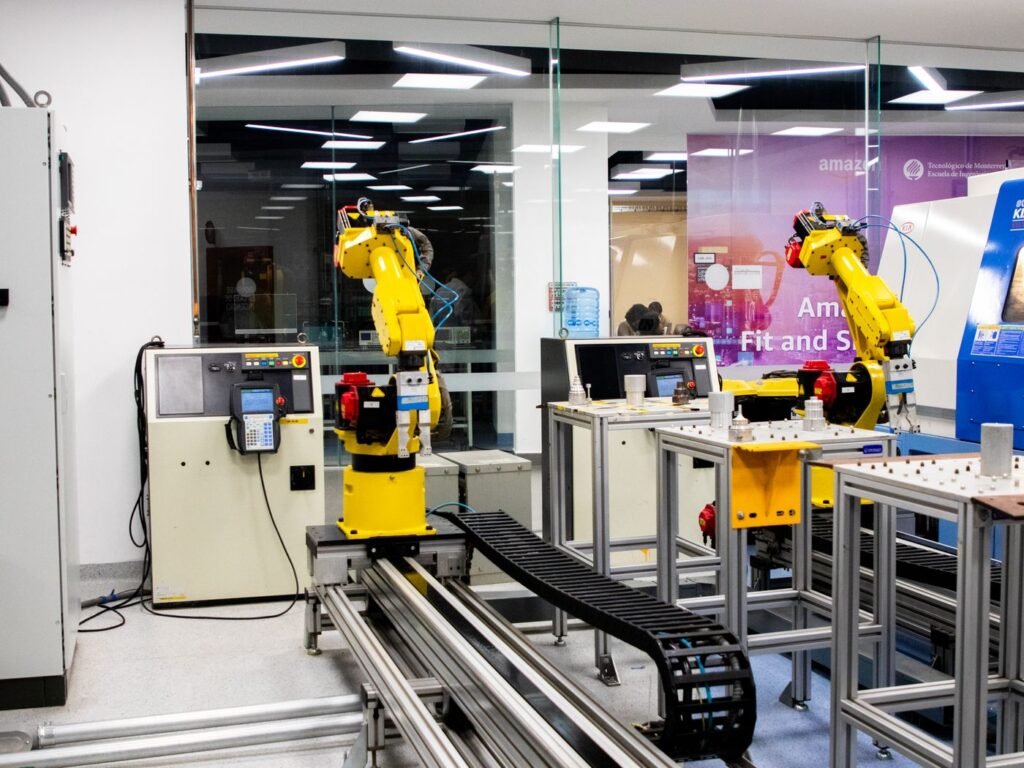
How to Calculate Robotic Palletizing Capacity

Estimate cycles, payload, gripper actions, pallet exchange and accumulation before choosing a robot cell.

RP-1200 Robotic Palletizing Cell

Robot payload and published cycle time do not directly equal palletizing capacity. The complete cell sequence must be studied.

Calculate product arrival

Start with cases or bags per minute for every SKU. Include line variation and short peak periods.

Define picks per cycle

A gripper may pick one product, several products or a complete layer. Larger picks reduce robot cycles but increase tool weight and product-handling complexity.

Include every robot action

Pickup confirmation, travel, placement, slip sheets, tier sheets, tool checks and safe approach paths all consume time.

Include pallet logistics

Empty pallet supply, full pallet discharge and wrapper availability can become the true bottleneck. The cell needs enough accumulation to manage these events.

Check payload at the worst position

Use product plus gripper weight and verify reach at the highest and farthest pallet positions. Dynamic limits may be more restrictive than nominal payload.

Validate with a cycle simulation

The final study should show cycle time by pattern, robot utilization, accumulation assumptions and the effect of pallet exchange.
Related Buyer Resources

Engineering Guides

Practical Automation Planning Resources

Use selection criteria, project inputs and FAT checkpoints to compare proposals on the same technical basis.

Technical Documents & Certifications

Documents Buyers Can Review During Supplier and Project Evaluation

System Overview

Automation Equipment Catalogue

A structured overview of machine platforms and integration services.

View Resource
Quality Document

Factory Acceptance Test Template

Example checkpoints for function, speed, safety and documentation review.

View Resource
Compliance

Electrical & Safety Documentation

Project documentation can be prepared around destination requirements.

View Resource

Automation Project FAQ

Questions Buyers Usually Ask Before Requesting a Technical Proposal

Clear product data, layout information and acceptance criteria help suppliers prepare a useful technical proposal instead of a generic price sheet.

RP-1200 Robotic Palletizing Cell
What information is needed for an automation quotation?

Please share product dimensions and weight, current packaging, target speed, required pack pattern, available layout, utilities, destination standard and any upstream or downstream equipment.

Can one machine handle multiple product sizes?

Usually yes, within a defined operating range. The proposal should identify no-tool adjustments, change parts, recipe settings and the expected changeover time.

How is the system tested before shipment?

A factory acceptance test is prepared around the agreed products, speed, functions, alarms, safety checks and documentation. Customer samples are strongly recommended.

Do you support installation and operator training?

Remote guidance and on-site commissioning can be planned according to project scope, location and local contractor capability.

Which PLC and electrical brands are available?

Siemens, Allen-Bradley and other internationally supported platforms can be discussed. Final selection depends on destination standards and the customer’s maintenance preference.

Next Step

Turn the Information in This Guide into a Practical Project Brief

Share the product, process, target speed, available layout and destination you are considering.

  • Application review before quotation
  • Layout and interface planning
  • FAT, installation and support options