Application-Tested Handling
Product transfer and pack formation are confirmed around representative samples.
Case Packing Systems
A servo-driven case packing platform for cartons, pouches, bottles and bundled products, configured around the real product, case style and line interface.
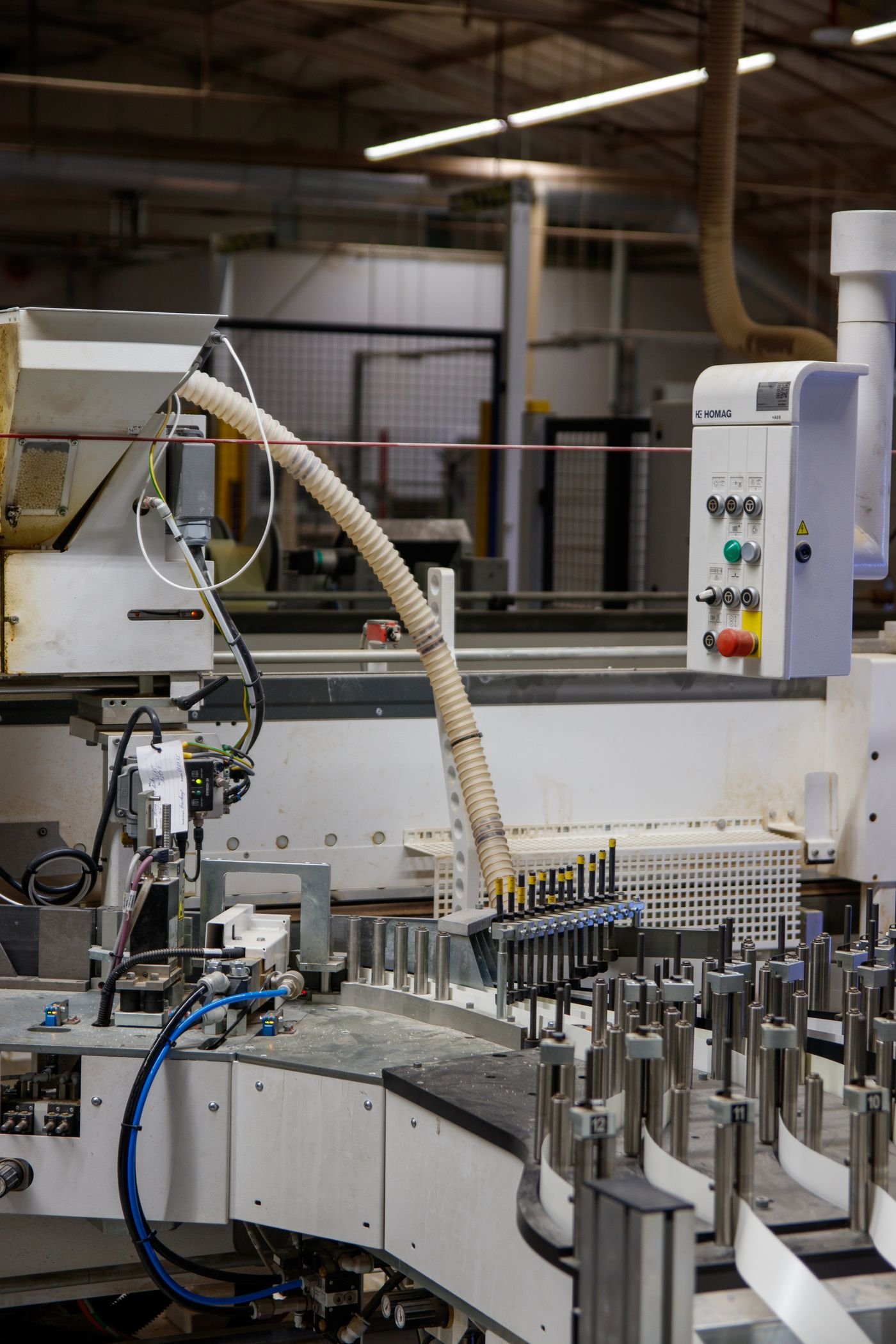
Model CP-450
A servo-driven case packing platform for cartons, pouches, bottles and bundled products, configured around the real product, case style and line interface.
Product transfer and pack formation are confirmed around representative samples.
Stored settings and guided adjustments support multiple product formats.
Signals, transfer heights and accumulation logic are defined with adjacent equipment.
Electrical standards, documentation and commissioning scope can be adapted by market.
Equipment Snapshot
Demonstration figures show how a professional equipment page can present the operating range without hiding project-dependent conditions.
Dependent on product, pattern and case handling.
Confirmed with representative samples.
Recipe-controlled pattern selection.
Destination-standard components available.
Equipment Overview
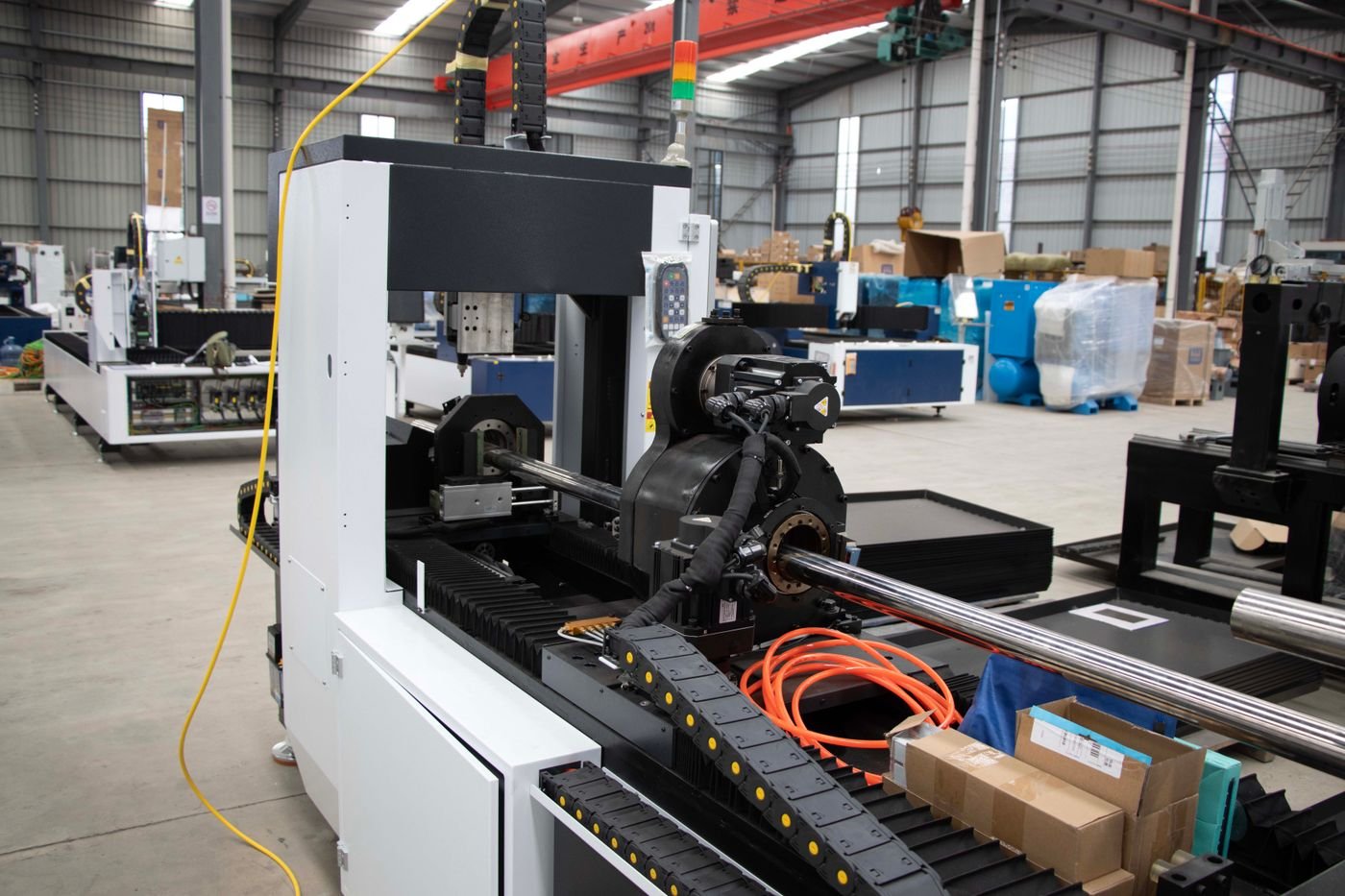
The CP-450 combines controlled product infeed, collation, case loading and discharge in one coordinated platform. It can be configured for side-load, top-load or assisted wraparound projects depending on product stability, pack pattern and available floor space.
The engineering review begins with representative products and cases. Product dimensions, surface friction, center of gravity, packaging rigidity and target output are used to select guides, lane division, collation logic and loading motion.
Final performance is confirmed against an agreed operating window rather than a single headline speed. The technical proposal identifies product range, pack patterns, change parts, utilities, control architecture and upstream or downstream responsibilities.
Technical Specifications
Final values are confirmed after sample, layout, utility and interface review. Each row can include an explanatory note instead of presenting isolated numbers.
Minimum and maximum dimensions are validated together with product stability.
Case-forming and closing interfaces are selected by project.
Selected according to product shape and pack pattern.
Tool-less adjustments can be used where practical.
Material is selected for the production environment.
Final consumption depends on selected options.
Voltage, frequency and cabinet standard are confirmed before design approval.
Language and file format are defined in the project scope.
Project Advantages
These benefits come from application review, defined interfaces and measurable acceptance criteria rather than decorative feature claims.
Lane control and servo motion maintain the required count and pattern before loading.
Recipes, scales and accessible change parts reduce adjustment time between approved formats.
Transfer heights, accumulation, signals and responsibility boundaries are documented before build.
Loading quality, alarms, safety and output are checked with agreed products and cases.
Typical Applications
Application suitability is confirmed against real samples, speed and environmental conditions before the final machine configuration is released.
Collation and case loading for stable rectangular packs.
Guided handling for products that require controlled support during grouping.
Lane control and pattern formation for rigid containers.
Secondary packing for shrink bundles and grouped retail units.
Configuration & Integration
A complete quotation identifies what the machine receives, what it delivers and which functions belong to adjacent equipment or the customer site.
Transfer height, product orientation, access, guarding and installation clearances.
Power, safety, run permission, fault status, speed references and network connections.
Samples, utilities, local work, lifting, installation, validation and site acceptance responsibilities.
Operating Sequence
The exact sequence changes by loading style, but each project follows a controlled product-flow logic.
Products enter under controlled speed and spacing so the downstream collation remains stable.
Guides, sensors and servo control create the required count and lane arrangement.
Products are grouped into the approved single-layer or multi-layer pack pattern.
The group is inserted or placed into the case with controlled acceleration and support.
Loaded cases are transferred to closing, sealing, inspection or palletizing equipment.
Configuration Comparison
Use the same comparison factors when evaluating competing technical proposals.
| Project Factor | Side Load | Top Load | Wraparound |
|---|---|---|---|
| Typical products | Cartons, pouches, bundles | Trays, bags, irregular packs | Stable rigid products |
| Case style | Preformed RSC case | Tray or open case | Flat corrugated blank |
| Product support | Guided horizontal loading | Vertical placement | Product and blank formed together |
| Changeover focus | Lane and pusher setup | Pick tool and placement recipe | Blank and forming dimensions |
| Selection basis | Stable grouped pattern | Delicate or irregular handling | Material and footprint efficiency |
Technical Review
Each tab answers a different procurement question and demonstrates a deeper product-content structure.
Review minimum and maximum product size, weight, rigidity, surface friction, center of gravity and deformation risk. Samples should represent normal production variation, not only ideal packs.
Confirm case dimensions, board quality, flap condition, layer count, orientation and allowable product compression. The approved pattern becomes part of the FAT basis.
The proposal identifies which adjustments are automatic, which use scales or handwheels and which require dedicated parts. Expected changeover time is stated for trained operators.
Upstream product release, case supply, downstream sealing, accumulation and palletizing signals are listed so no interface is left to assumption.
Maintenance doors, lubrication points, wear parts, backups and remote diagnostic access are reviewed before the final layout is approved.
Factory Acceptance Testing
Testing uses agreed samples, functions and acceptance methods. Project-dependent items are recorded rather than hidden.
Confirm that test products and cases match the approved operating range.
Check motion sequence, recipes, sensors, alarms and manual controls.
Run the agreed speed and inspect count, orientation, damage and case presentation.
Test interlocks, emergency stops, guarding and restart behavior after common faults.
Review drawings, manuals, parts list and remaining actions before shipment approval.
Procurement Risk Review
A professional product page should make risk and project assumptions visible, not only list attractive features.
Rated speed is quoted without product and operating assumptions.
Tie output to approved samples, format, buffer condition, reject logic and FAT method.
Machine boundaries and adjacent-equipment responsibilities are unclear.
Approve a layout, interface list and responsibility matrix before manufacturing.
Installation and ramp-up support are discussed after shipment.
Define site readiness, commissioning, training, spares and remote support in the project scope.
Project Documents
These demonstration resources show how an independent site can present technical depth and reduce uncertainty before inquiry.
Equipment FAQ
The answers identify what must be confirmed during technical review instead of presenting unsupported guarantees.
The machine can be configured for cartons, pouches, bottles and bundled products. Suitability depends on stability, surface condition, dimensional tolerance and the required case pattern.
Yes, within an approved range. The technical proposal separates recipe changes, mechanical adjustments and dedicated change parts so the buyer can evaluate real changeover effort.
They can be included as part of a complete cell or supplied as defined interfaces. The project boundary is shown in the layout and interface list.
Acceleration, support surfaces, guide clearances and loading motion are selected around the product. FAT checks include visible damage, deformation and pack presentation.
Provide minimum and maximum product formats, representative cases, packaging drawings and samples that reflect normal production variation.
Yes. Transfer height, speed control, accumulation, signal exchange and safety boundaries must be confirmed before the final layout is released.
Related Equipment
Review upstream, downstream and complementary equipment using the same structured product system.
Buyer Resources
Long-form selection guides help buyers prepare better inputs, evaluate suppliers and define acceptance criteria.
Request a Technical Proposal
Attach representative product photos, drawings, packaging information or a short production video. The first response should identify missing technical inputs and a practical next step.