Application-Tested Handling
Product transfer and pack formation are confirmed around representative samples.
Labeling & Coding
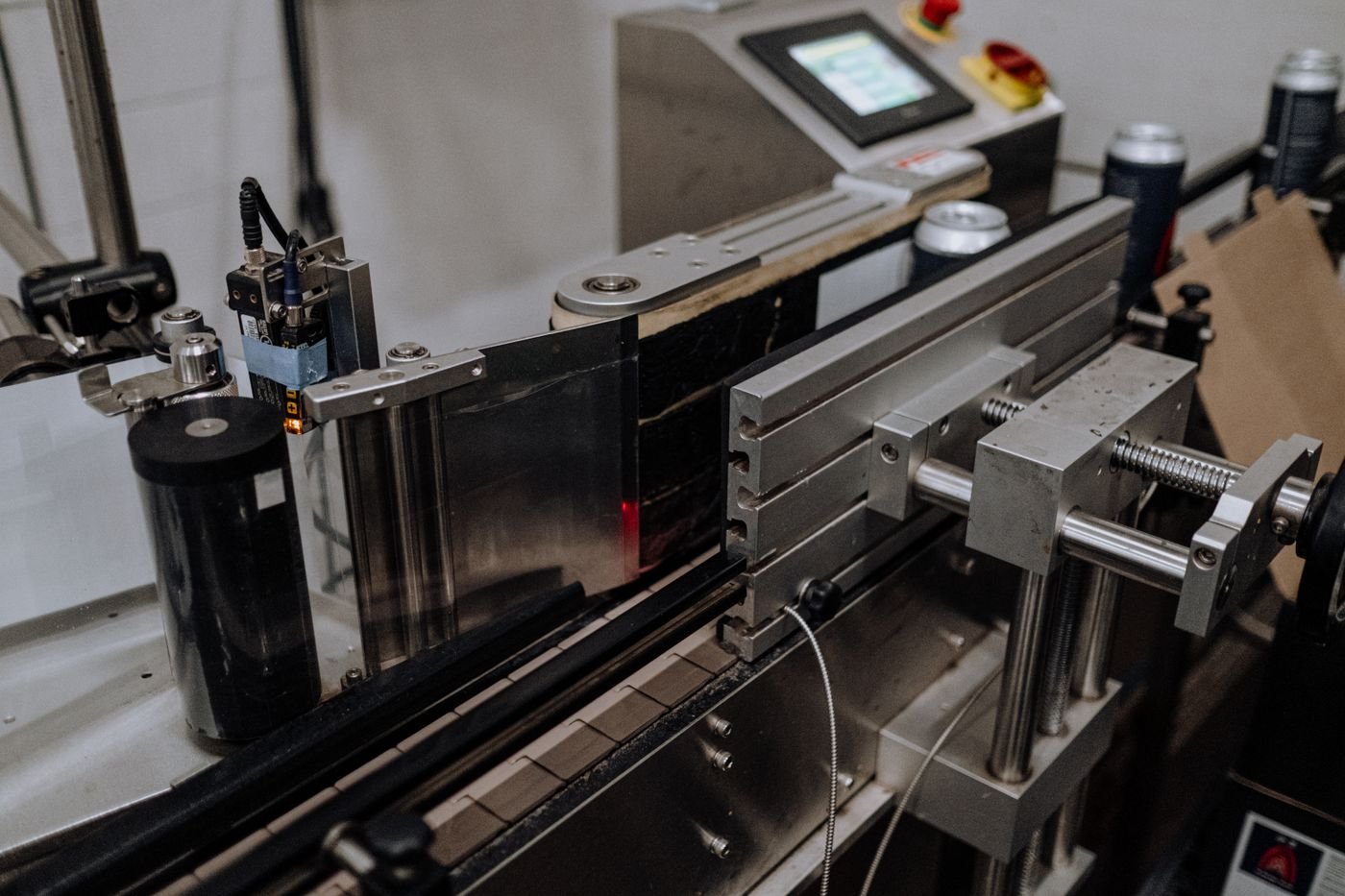
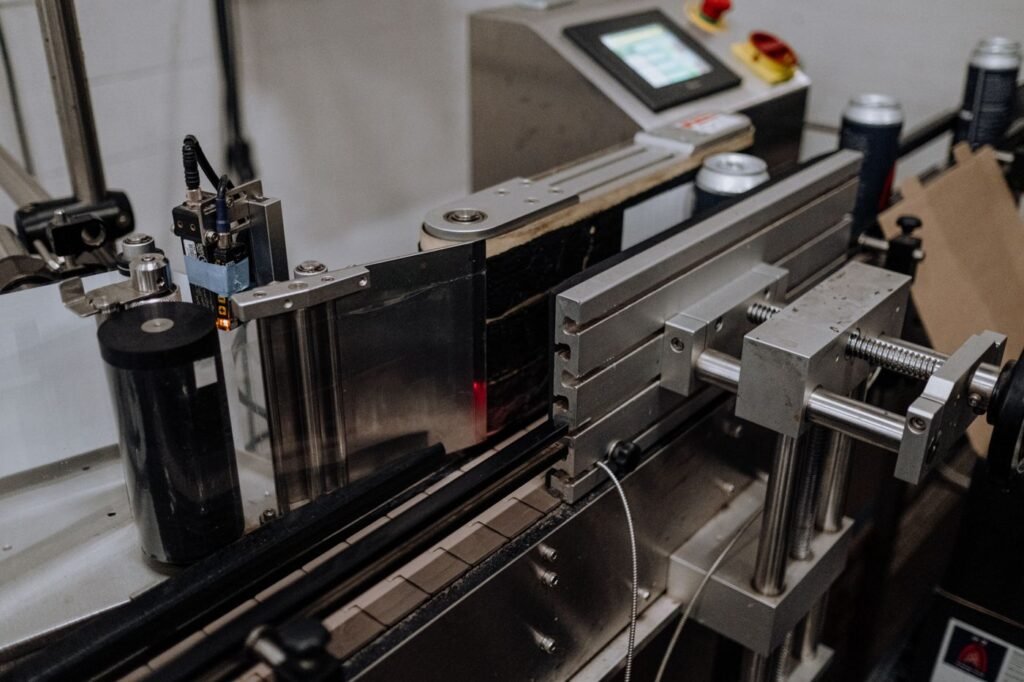
A modular labeling platform for wraparound, front-and-back, top or multi-panel applications with coding, verification and reject options.
Model LB-600
A modular labeling platform for wraparound, front-and-back, top or multi-panel applications with coding, verification and reject options.
Product transfer and pack formation are confirmed around representative samples.
Stored settings and guided adjustments support multiple product formats.
Signals, transfer heights and accumulation logic are defined with adjacent equipment.
Electrical standards, documentation and commissioning scope can be adapted by market.
Equipment Snapshot
Demonstration figures show how a professional equipment page can present the operating range without hiding project-dependent conditions.
Application and label length dependent.
Multiple heads can be combined.
Web speed synchronized with product flow.
Reject logic available by project.
Equipment Overview
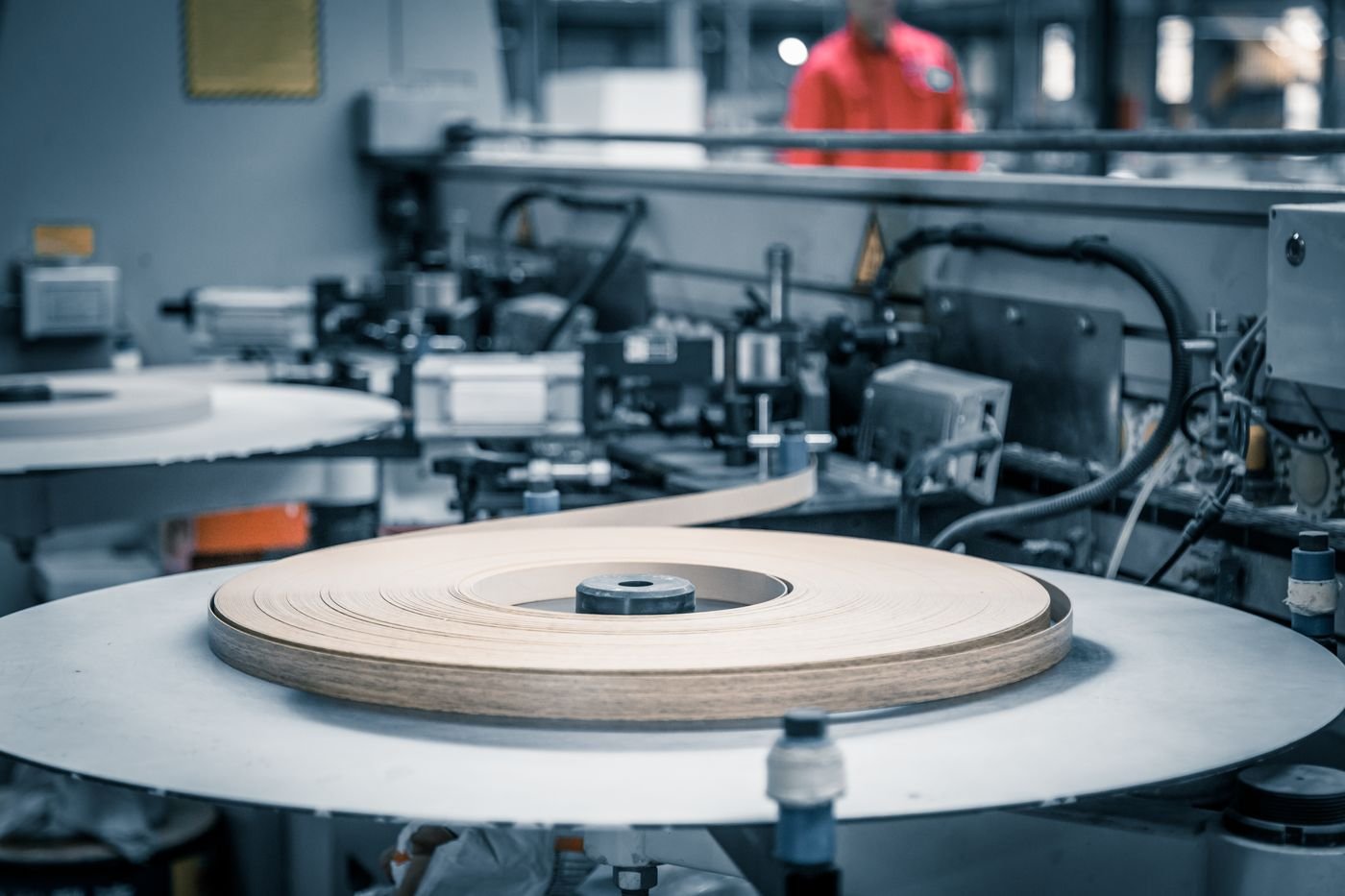
The LB-600 is configured around container geometry, label construction, application position, product spacing and required line speed. Stable container handling and label-web control are treated as part of the labeling process, not as separate accessories.
Servo label heads, recipe settings and controlled product transport support repeatable placement across approved formats. Coding and vision verification can be integrated when traceability or artwork confirmation is required.
The final proposal defines the label roll, liner, unwind direction, product range, accuracy basis, reject philosophy and line interfaces so that performance expectations are measurable.
Technical Specifications
Final values are confirmed after sample, layout, utility and interface review. Each row can include an explanatory note instead of presenting isolated numbers.
Shape, surface and stability are reviewed.
Material, adhesive and liner must suit line speed.
Multi-panel configurations available.
Measured using agreed reference features.
Selected by container stability and speed.
Mounting and communication included in scope.
Camera and reject options available.
Scales and format parts used where required.
Project Advantages
These benefits come from application review, defined interfaces and measurable acceptance criteria rather than decorative feature claims.
Spacing, alignment and support are designed around the container rather than relying on the label head alone.
Servo feed, web tension and sensing support repeatable label release at production speed.
Stored parameters and marked adjustments reduce setup variation between approved formats.
Printers, cameras and reject devices can be coordinated under one controls scope.
Typical Applications
Application suitability is confirmed against real samples, speed and environmental conditions before the final machine configuration is released.
Full or partial wraparound label application.
Front-and-back or multi-panel labeling.
Top, side or corner-wrap label placement.
Variable code printing, reading and verification.
Configuration & Integration
A complete quotation identifies what the machine receives, what it delivers and which functions belong to adjacent equipment or the customer site.
Transfer height, product orientation, access, guarding and installation clearances.
Power, safety, run permission, fault status, speed references and network connections.
Samples, utilities, local work, lifting, installation, validation and site acceptance responsibilities.
Operating Sequence
Product handling, label dispensing and optional inspection are synchronized through the machine controls.
Containers are separated and presented at a controlled position and speed.
A sensor triggers label dispensing according to the active recipe.
The servo label head releases the label with controlled web tension and speed.
Belts, rollers or brushes apply the label to the required panel or circumference.
Optional cameras verify presence or code content before a failed product is rejected.
Configuration Comparison
Use the same comparison factors when evaluating competing technical proposals.
| Project Factor | Wraparound | Front & Back | Top / Panel |
|---|---|---|---|
| Best for | Round containers | Flat-sided containers | Cartons, trays and lids |
| Product control | Wrap belt or roller | Side alignment and two heads | Top or side stabilization |
| Label heads | One | Two synchronized heads | One or multiple |
| Main accuracy factor | Container rotation | Panel alignment | Reference edge and product stability |
| Typical change parts | Guides and wrap setup | Guides and head position | Belts, guides or supports |
Technical Review
Each tab answers a different procurement question and demonstrates a deeper product-content structure.
Container geometry, seams, taper, flexibility, moisture and surface energy affect both handling and adhesive performance.
Label dimensions, gap, roll diameter, unwind direction, liner quality, adhesive and print position are documented before testing.
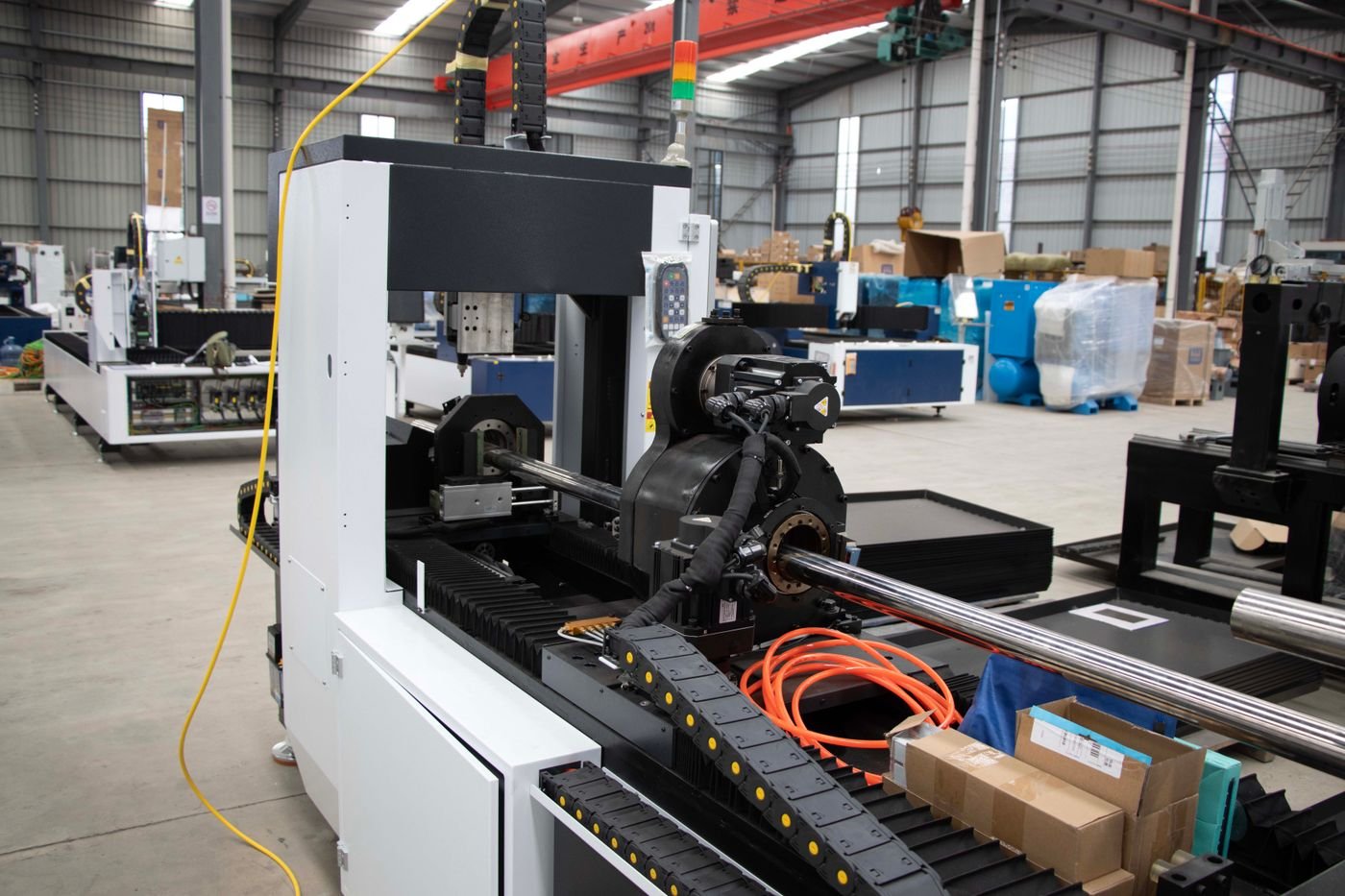
Accuracy should reference a repeatable product feature and include normal container and label variation. FAT uses the same measurement method.
Printer location, message selection, line speed, print verification and reject action are coordinated with the labeler recipe.
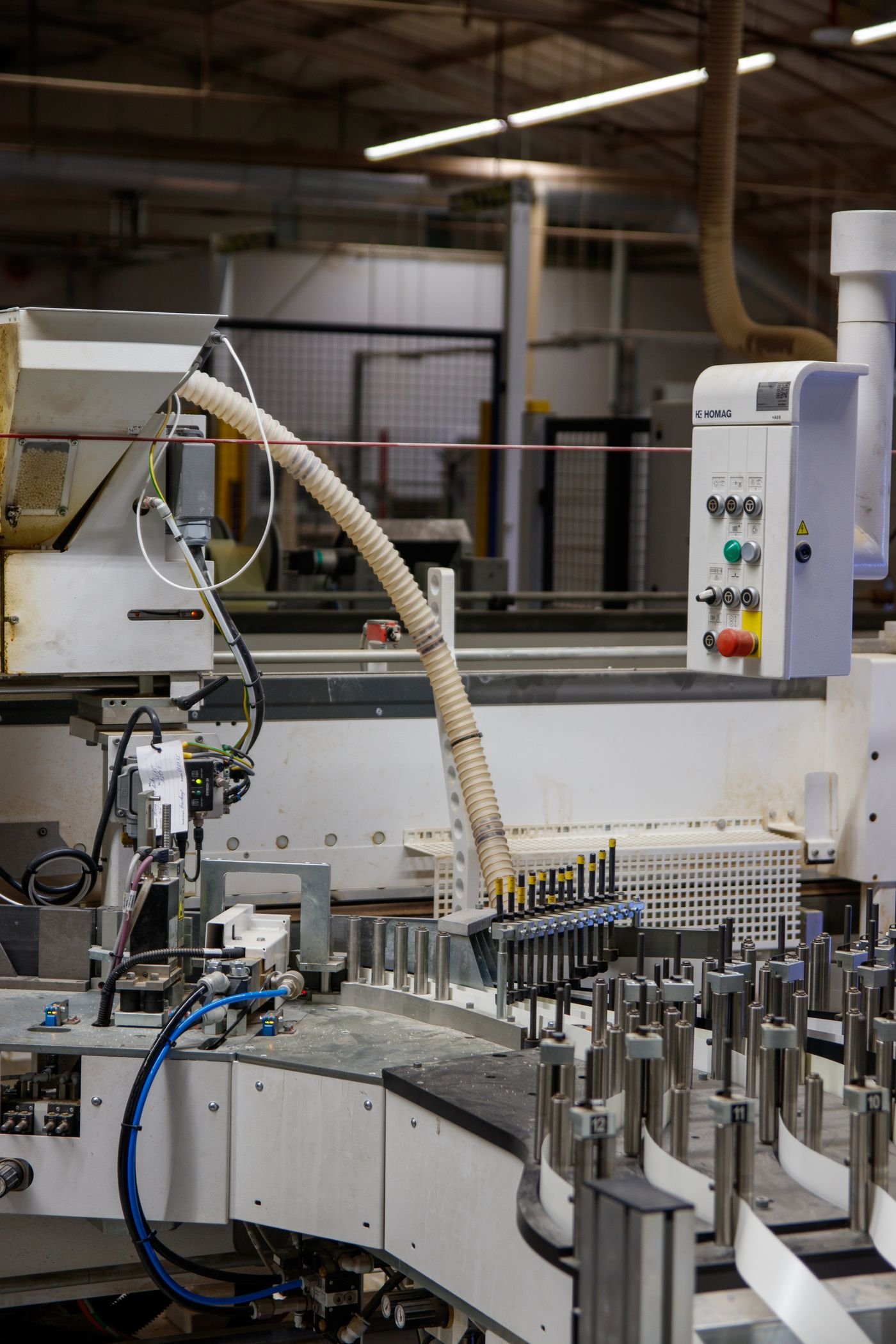
Stored recipes, scales, digital indicators and clearly identified change parts help trained operators reproduce approved setup conditions.
Factory Acceptance Testing
Testing uses agreed samples, functions and acceptance methods. Project-dependent items are recorded rather than hidden.
Confirm samples, label rolls, unwind direction and normal dimensional variation.
Measure label position using the agreed reference and sample quantity.
Run the agreed output while checking web tracking, product stability and missed labels.
Test valid, missing and incorrect codes when printing or inspection is included.
Complete one agreed format change and confirm recipe and adjustment instructions.
Procurement Risk Review
A professional product page should make risk and project assumptions visible, not only list attractive features.
Rated speed is quoted without product and operating assumptions.
Tie output to approved samples, format, buffer condition, reject logic and FAT method.
Machine boundaries and adjacent-equipment responsibilities are unclear.
Approve a layout, interface list and responsibility matrix before manufacturing.
Installation and ramp-up support are discussed after shipment.
Define site readiness, commissioning, training, spares and remote support in the project scope.
Project Documents
These demonstration resources show how an independent site can present technical depth and reduce uncertainty before inquiry.
Equipment FAQ
The answers identify what must be confirmed during technical review instead of presenting unsupported guarantees.
Label length, product spacing, container stability, application method, printer speed and inspection time all affect the real output.
Yes. Wraparound, front-and-back, top and panel applications are available through different handling and label-head configurations.
The proposal uses an agreed reference feature on the product and a measurement method that can be repeated during FAT.
Inkjet, thermal-transfer or laser coding can be integrated together with OCR, OCV or barcode verification and reject control.
Provide production label rolls with the correct liner, unwind direction, core and roll diameter, plus representative containers from the full size range.
Yes. Conveyor speed, height, product spacing, signal exchange and accumulation must be reviewed to ensure stable labeling conditions.
Related Equipment
Review upstream, downstream and complementary equipment using the same structured product system.
Buyer Resources
Long-form selection guides help buyers prepare better inputs, evaluate suppliers and define acceptance criteria.
Request a Technical Proposal
Attach representative product photos, drawings, packaging information or a short production video. The first response should identify missing technical inputs and a practical next step.