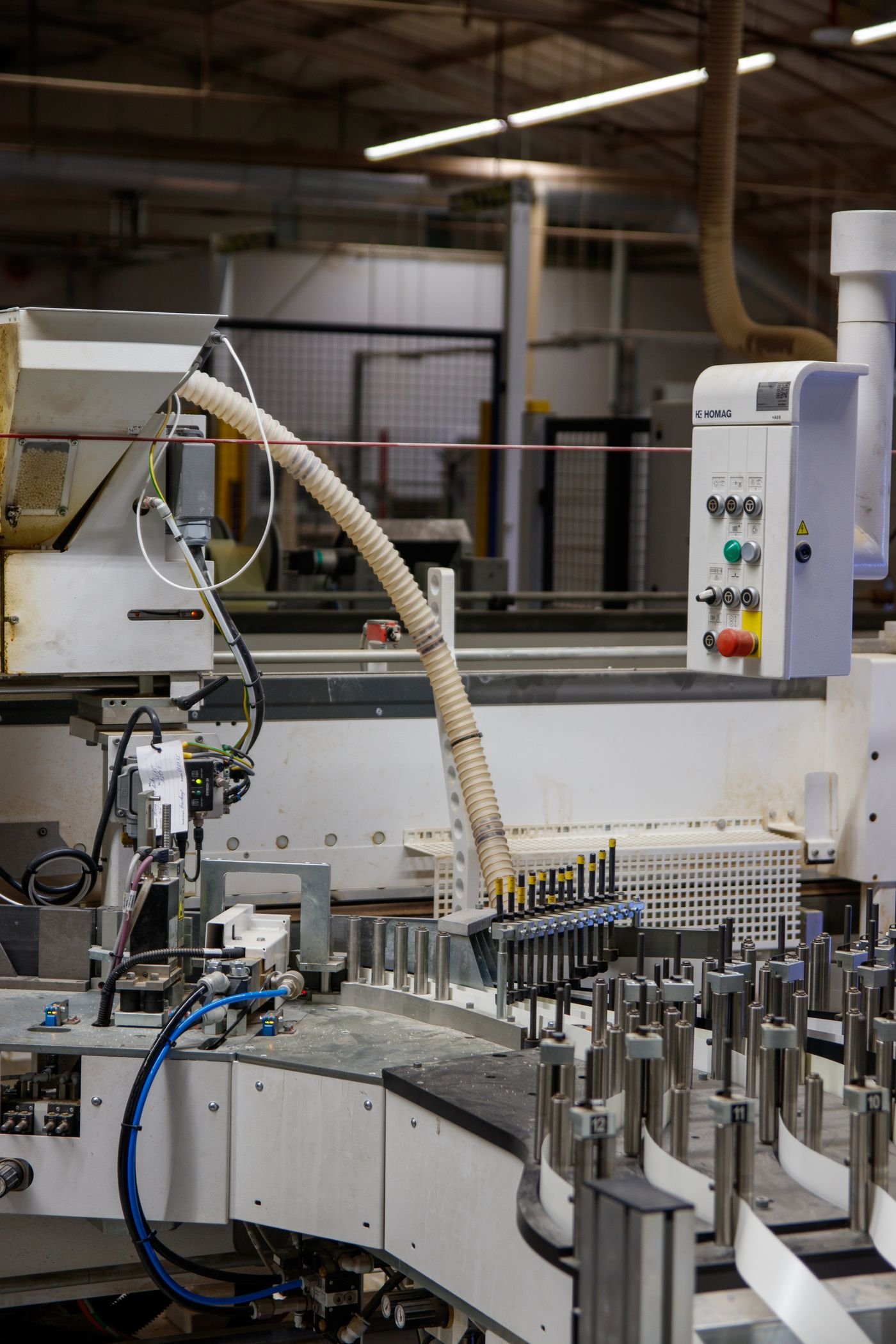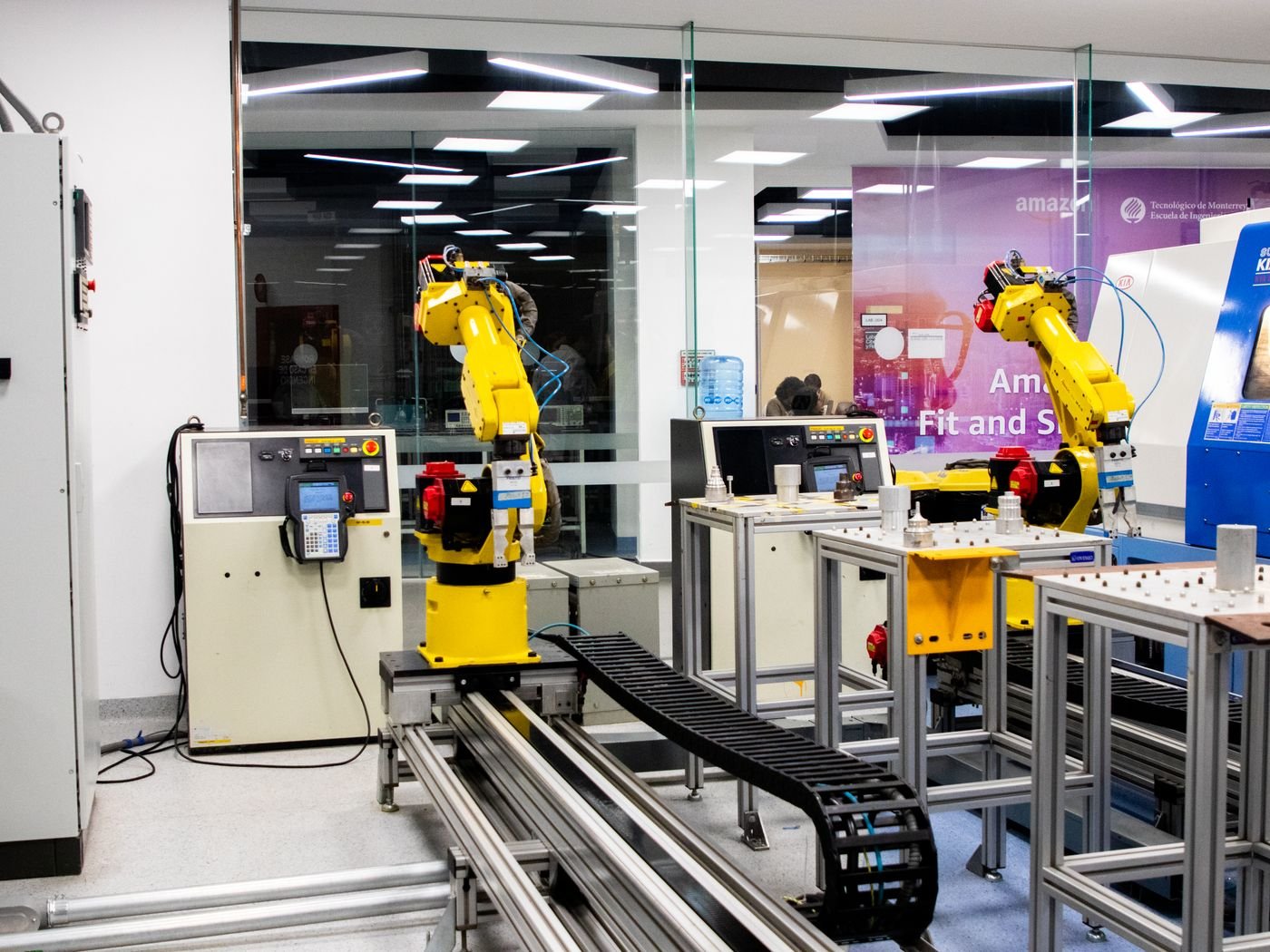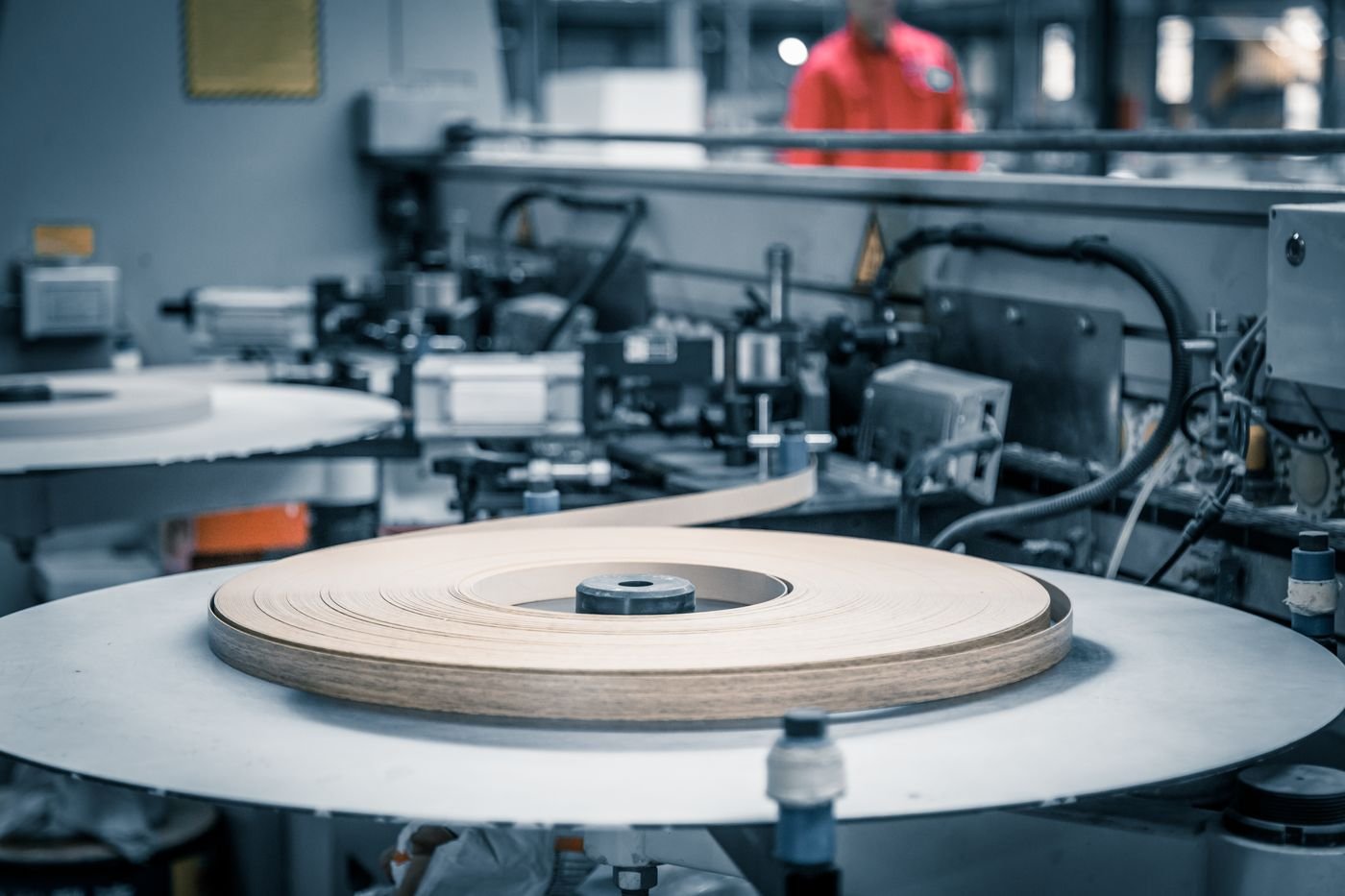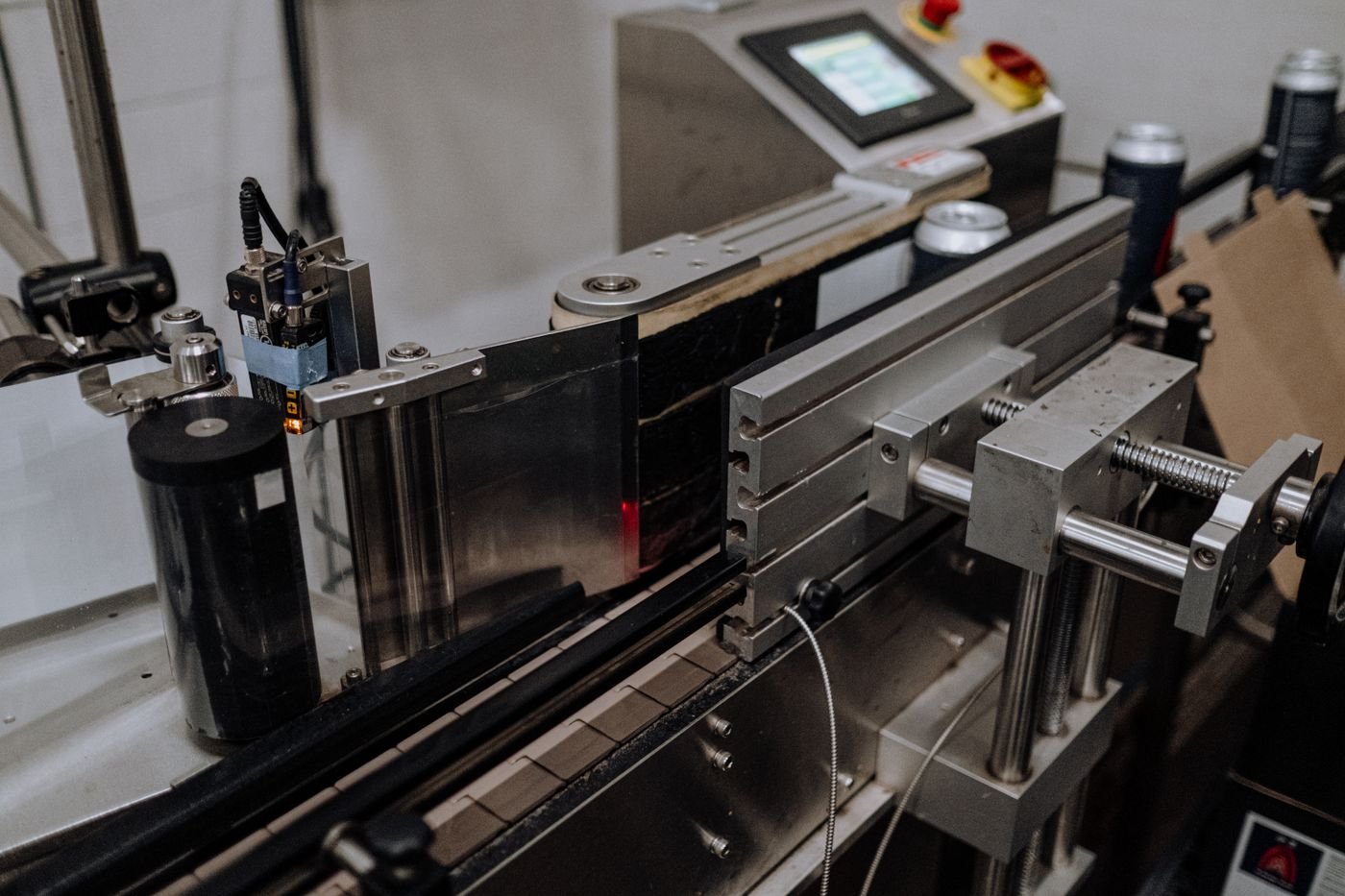
Conveyors connect equipment, but poor transfer design can also create instability, damage and difficult maintenance. Layout review should combine product flow and human access.
Map every transfer point
Record height, gap, speed, product orientation and the condition required by the receiving machine. Small products and unstable containers often need dedicated transfer hardware.
Calculate accumulation from real stops
Buffer length should match expected downstream stop duration and product pitch. Confirm whether products can touch and how they restart.
Protect access and cleaning
Leave room for operators, change parts, belt replacement, washdown, drains and drive maintenance. A compact layout is not useful if service work becomes unsafe.
Coordinate speed and control zones
Define fixed speeds, variable references, photo-eye zones, blocked status and restart behavior. The control description should match the physical accumulation design.
Review supports and the building
Columns, floor condition, suspended loads, anchors, vibration and height adjustments should be visible on the approved layout.
Test the complete product range
FAT should include minimum and maximum products, transfers, curves, accumulation, line stops and restart conditions.