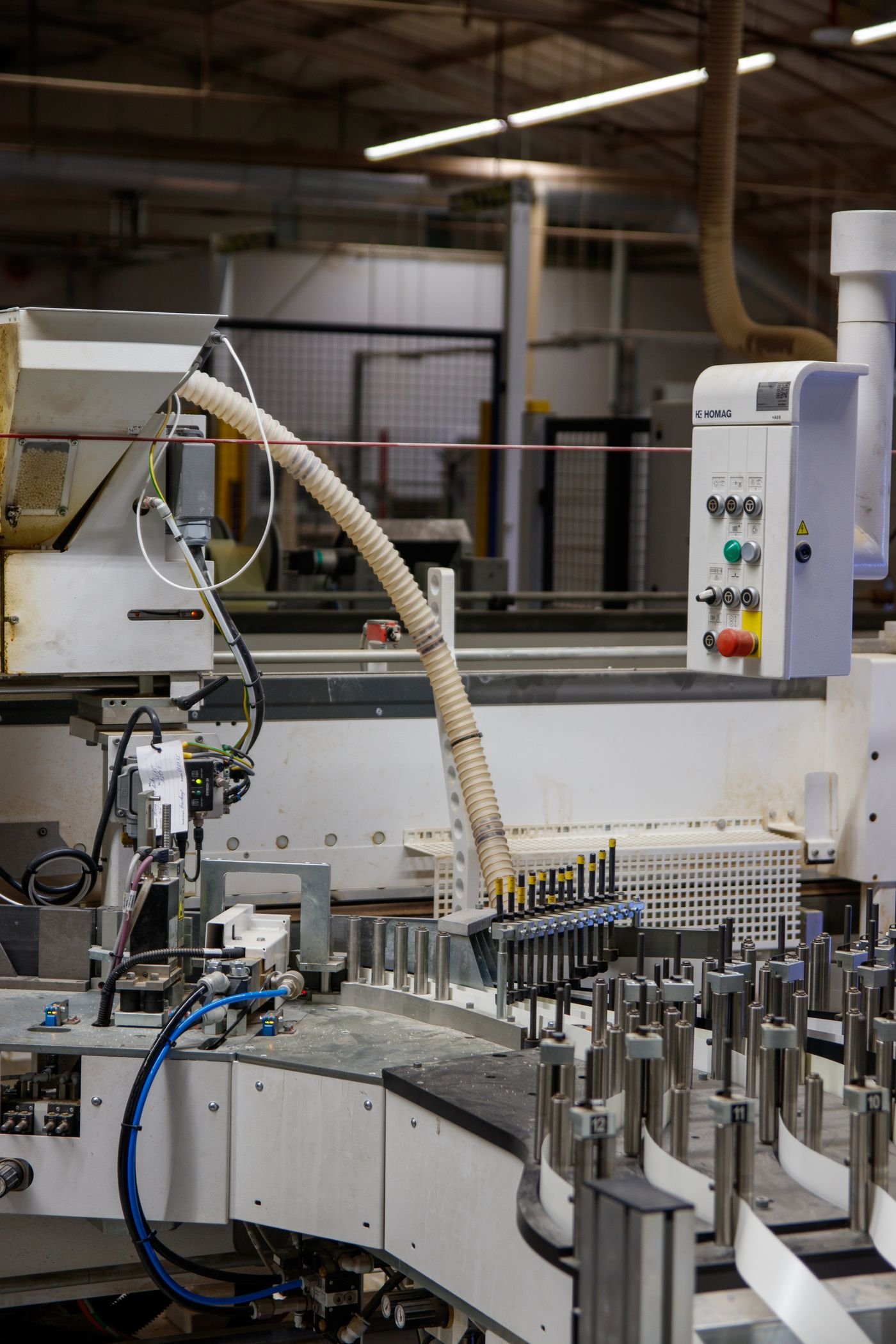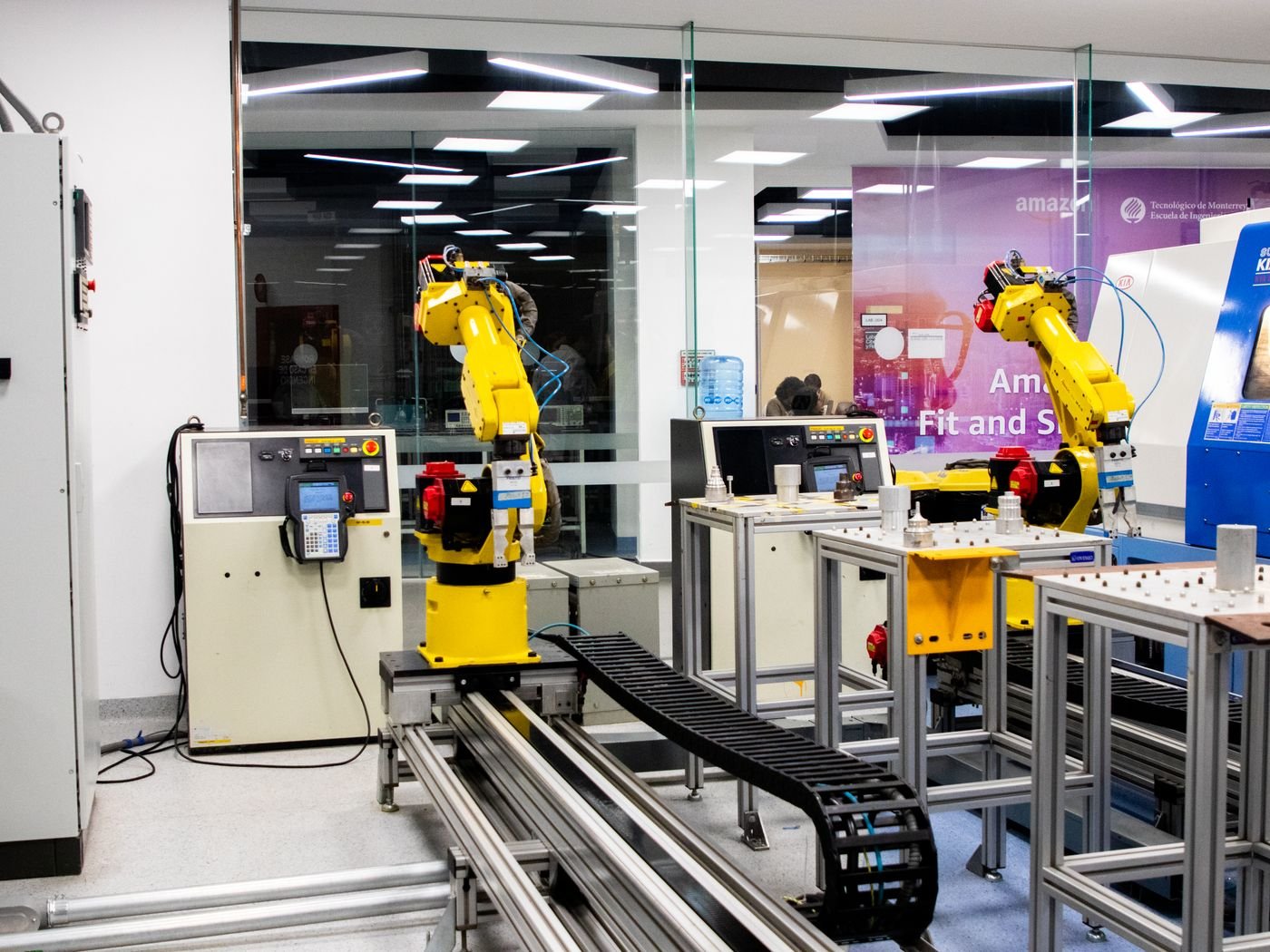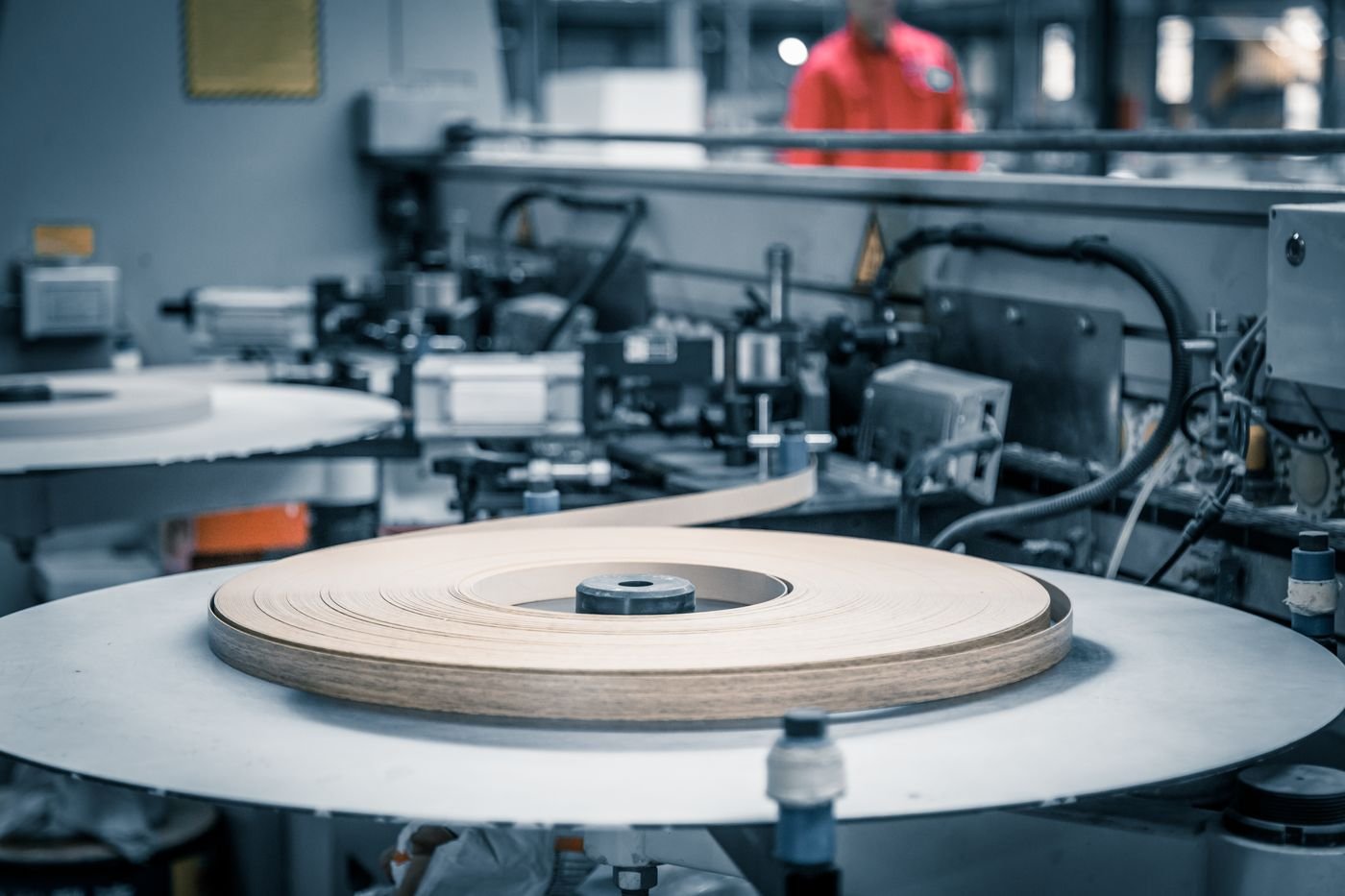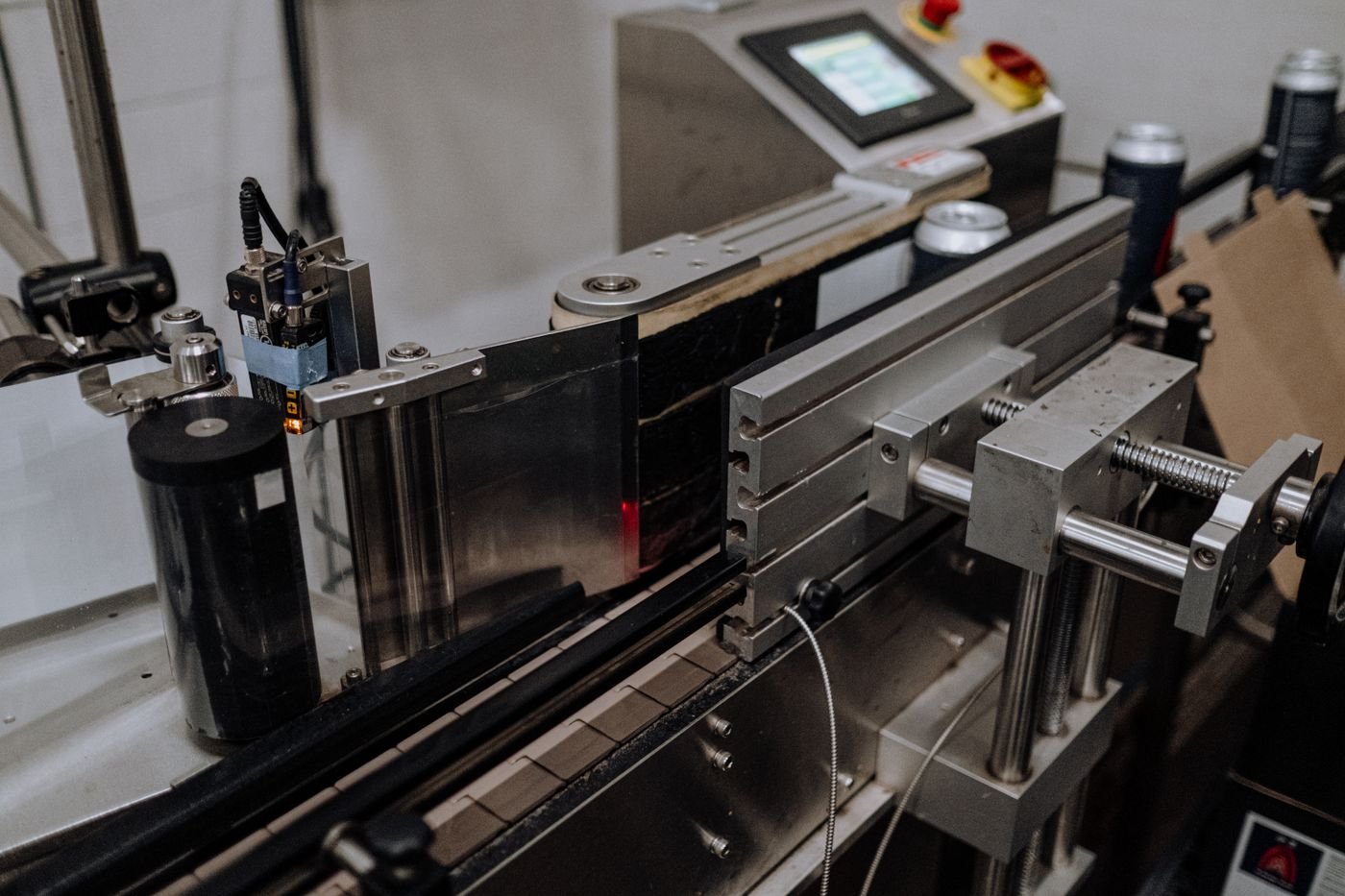
“Add a camera” is not a complete inspection requirement. A reliable system starts with an agreed defect catalogue and representative samples.
List every inspection
Describe presence, position, text, code, dimension, fill level or surface defects separately. State the acceptable tolerance and required action.
Provide sample variation
Good products should include normal print, color, shape and position variation. Defect samples should represent the smallest failure that must be detected.
Describe product presentation
Line speed, spacing, orientation, vibration and uncontrolled rotation affect image quality. Additional handling may be required before the camera.
Define reject philosophy
Specify the reject device, tracking distance, confirmation sensor, full-bin response and whether a failed reject must stop the line.
Define data and traceability
State whether the system stores images, code values, counts, user actions or batch reports, and how long data must be retained.
Agree the validation method
FAT should challenge known good, known defect and normal-variation samples while recording false rejects and missed defects.