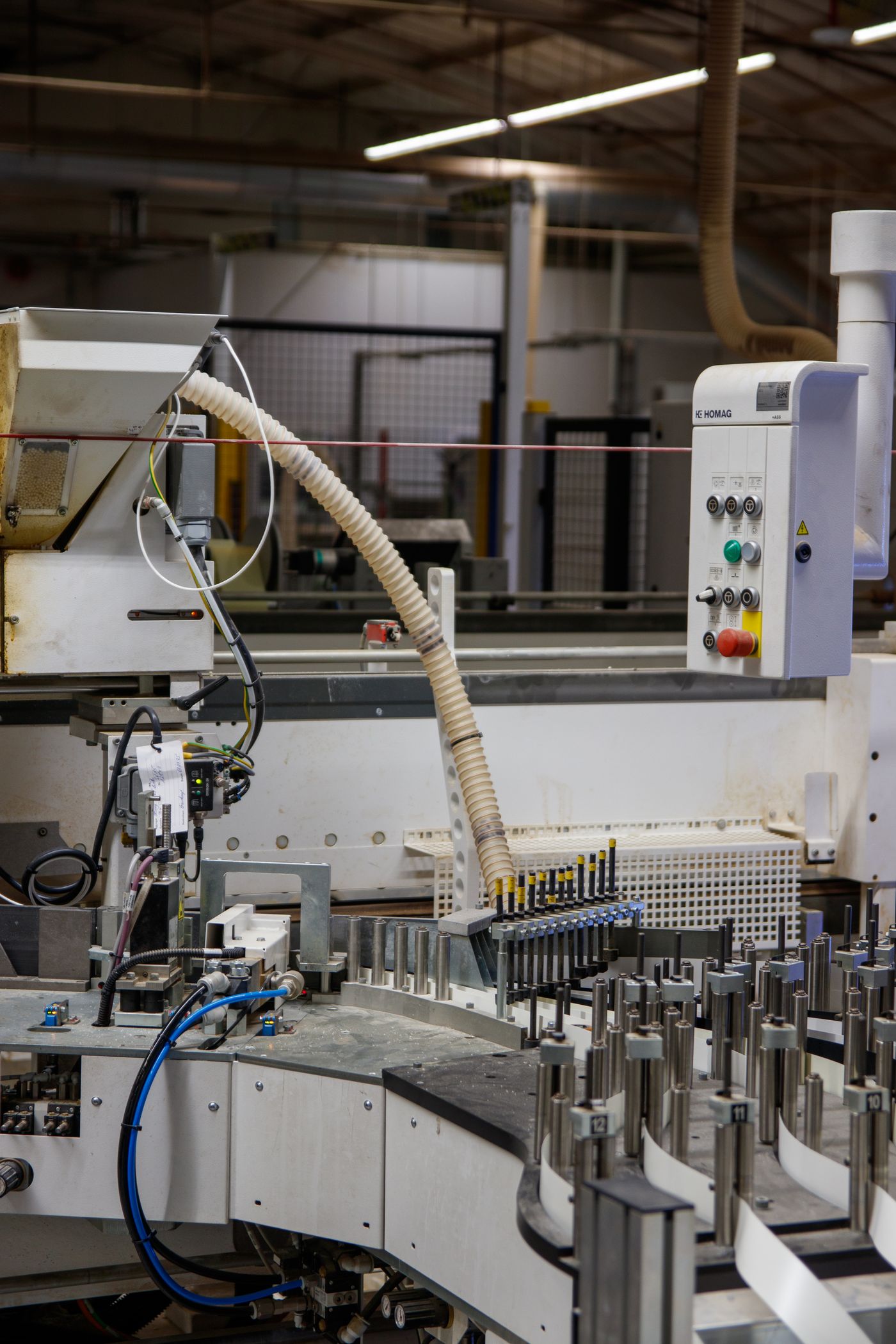
Secondary Packaging
Automatic Case Packing Systems
Flexible side-load and top-load solutions for cartons, pouches, bottles and bundled products.
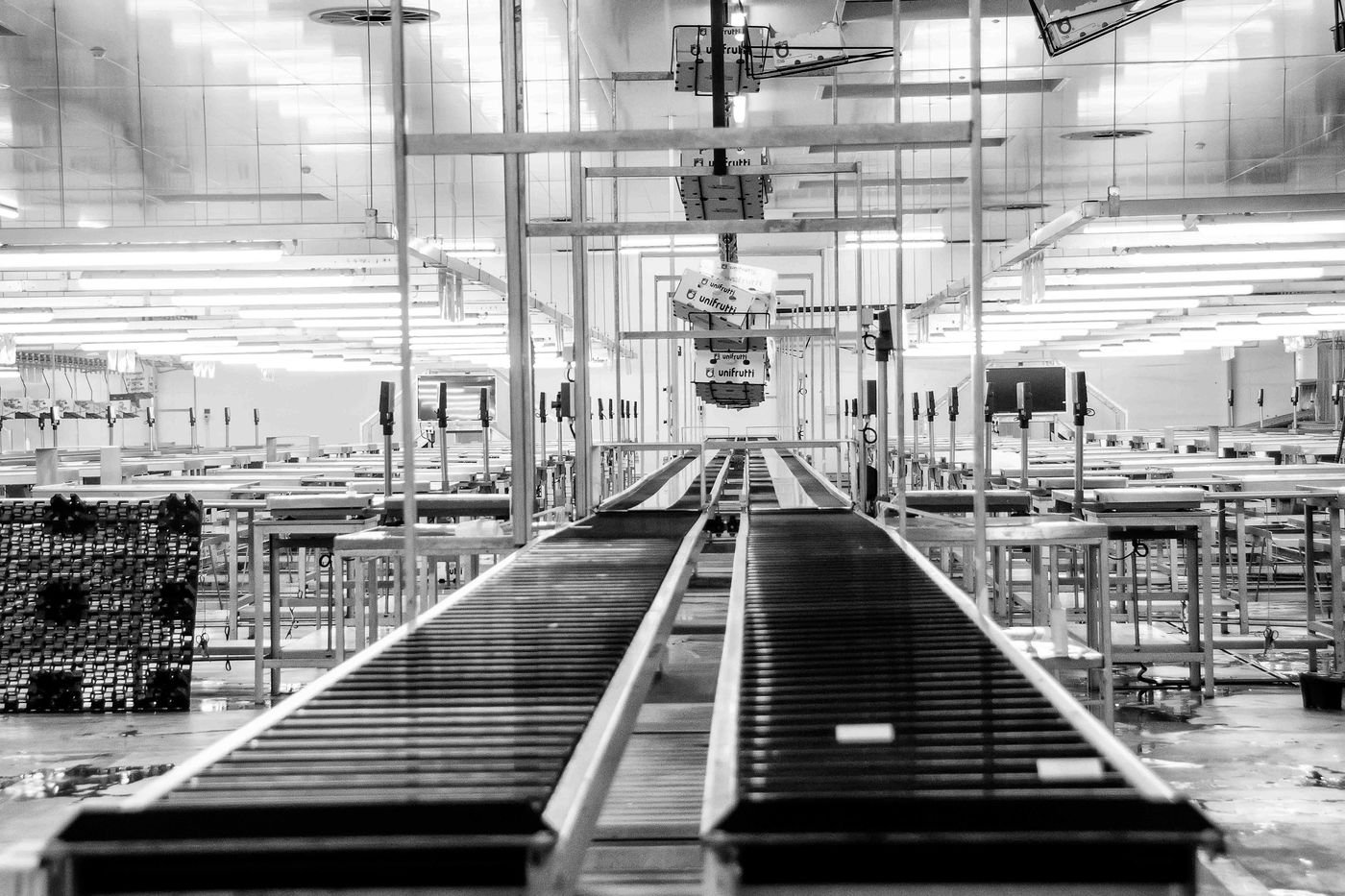
Material Flow Equipment
Equipment is selected around product stability, accumulation requirements, access and upstream or downstream behavior.
Secondary Packaging
Flexible side-load and top-load solutions for cartons, pouches, bottles and bundled products.
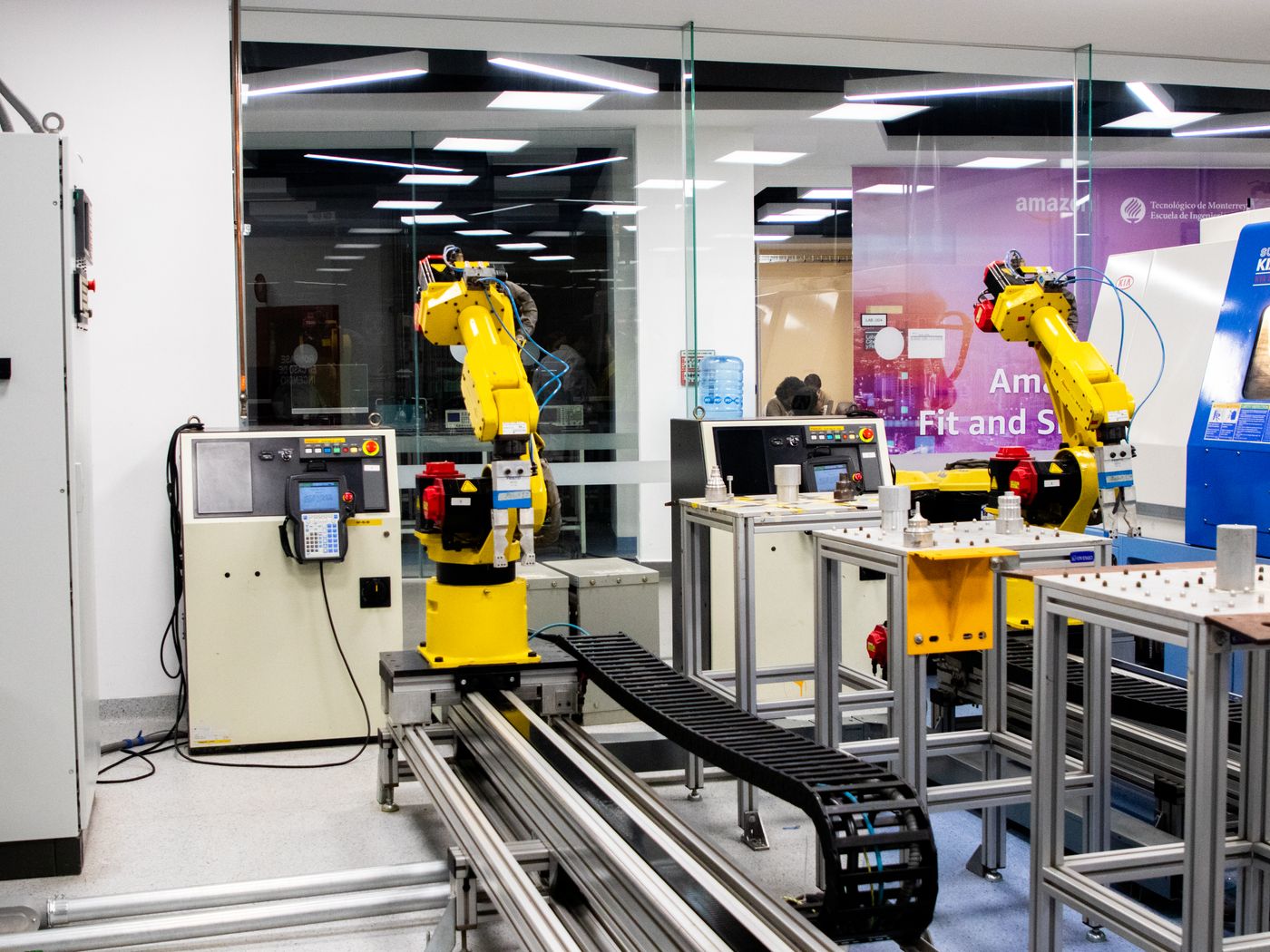
End-of-Line
Compact robot cells with grippers, safety systems and pallet handling for multiple SKUs.
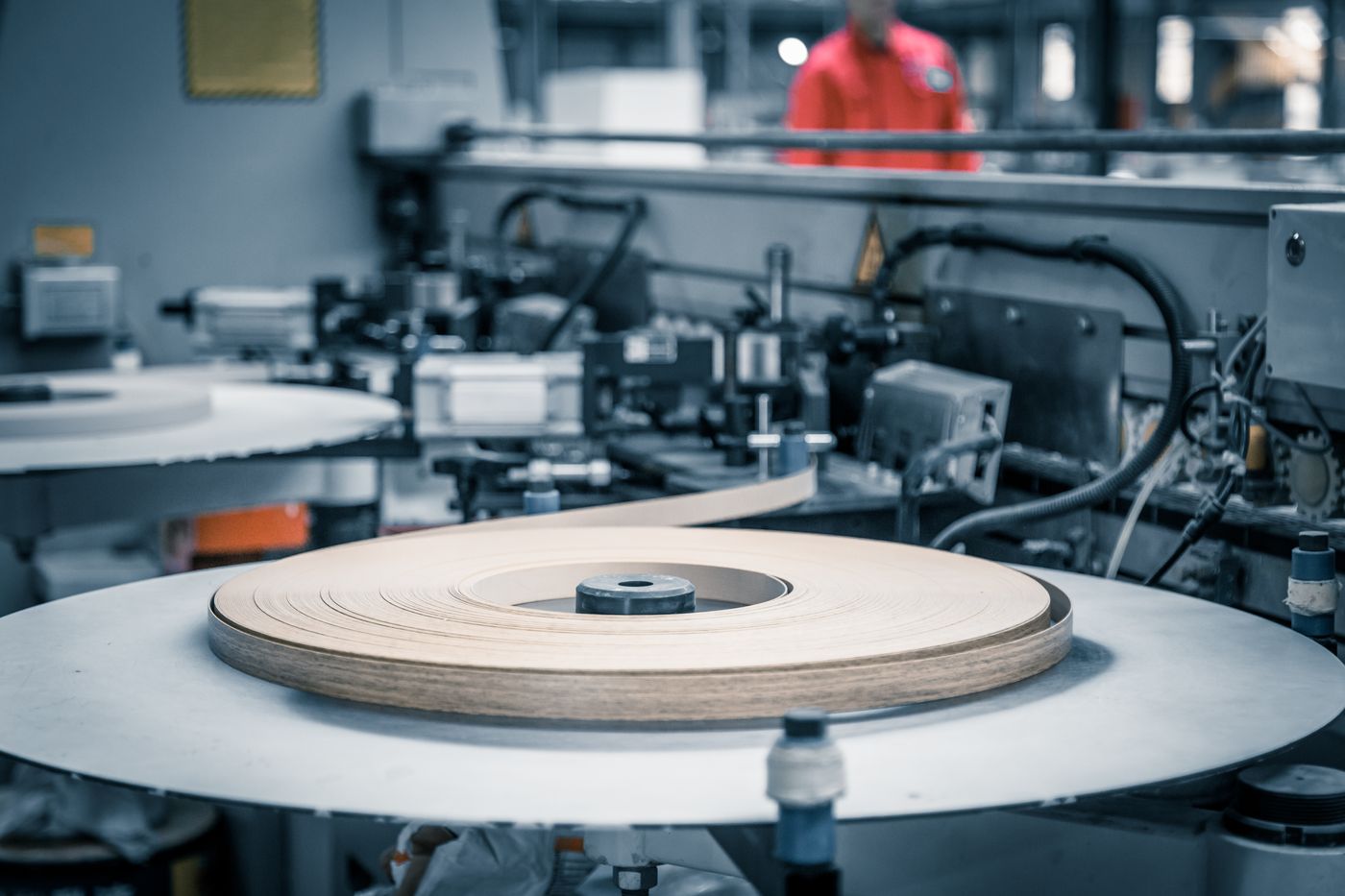
Quality Assurance
Camera-based inspection for labels, codes, caps, fill levels, dimensions and product presence.
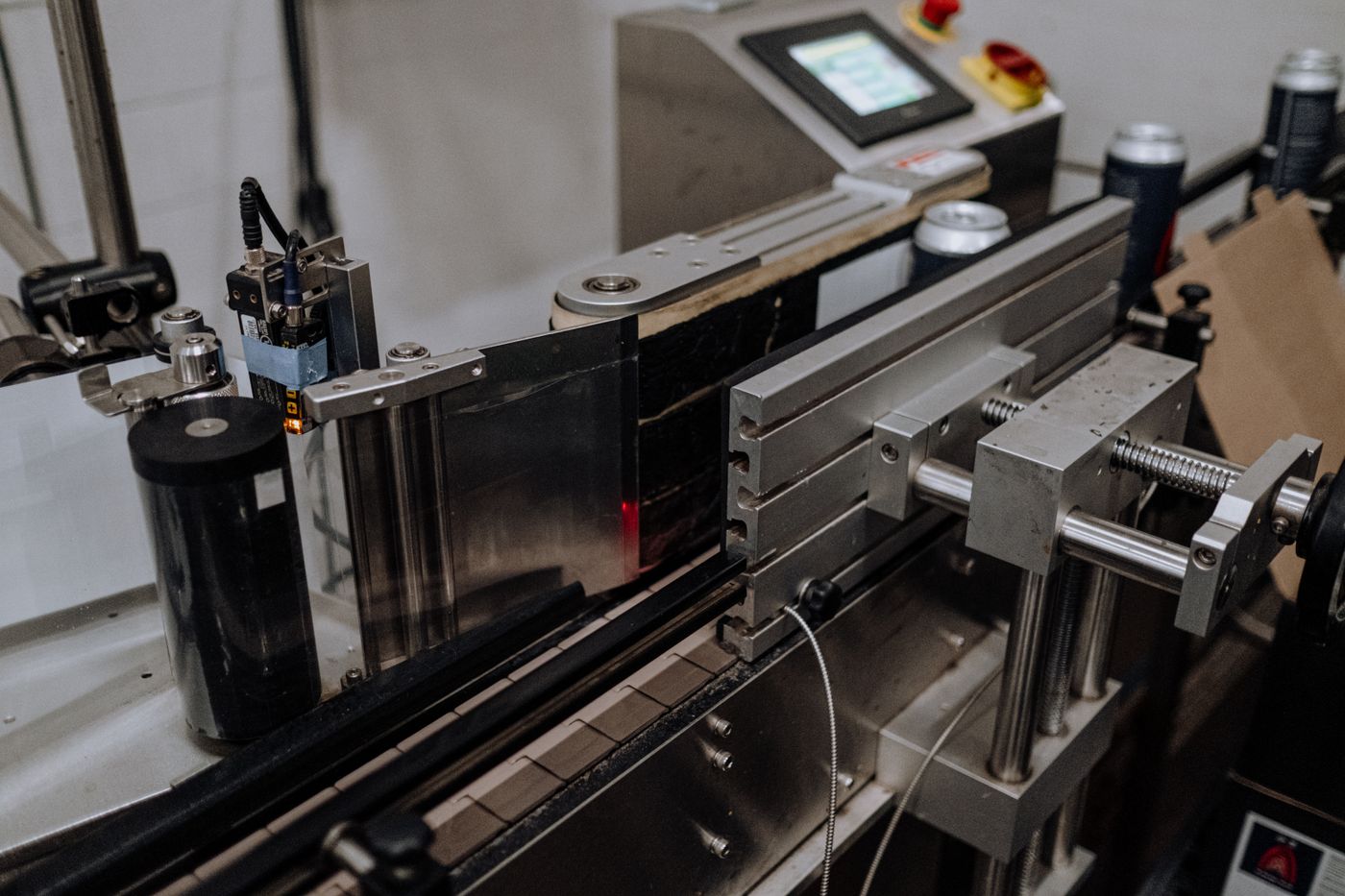
Identification
High-speed labeling, date coding and traceability integration for modern packaging lines.
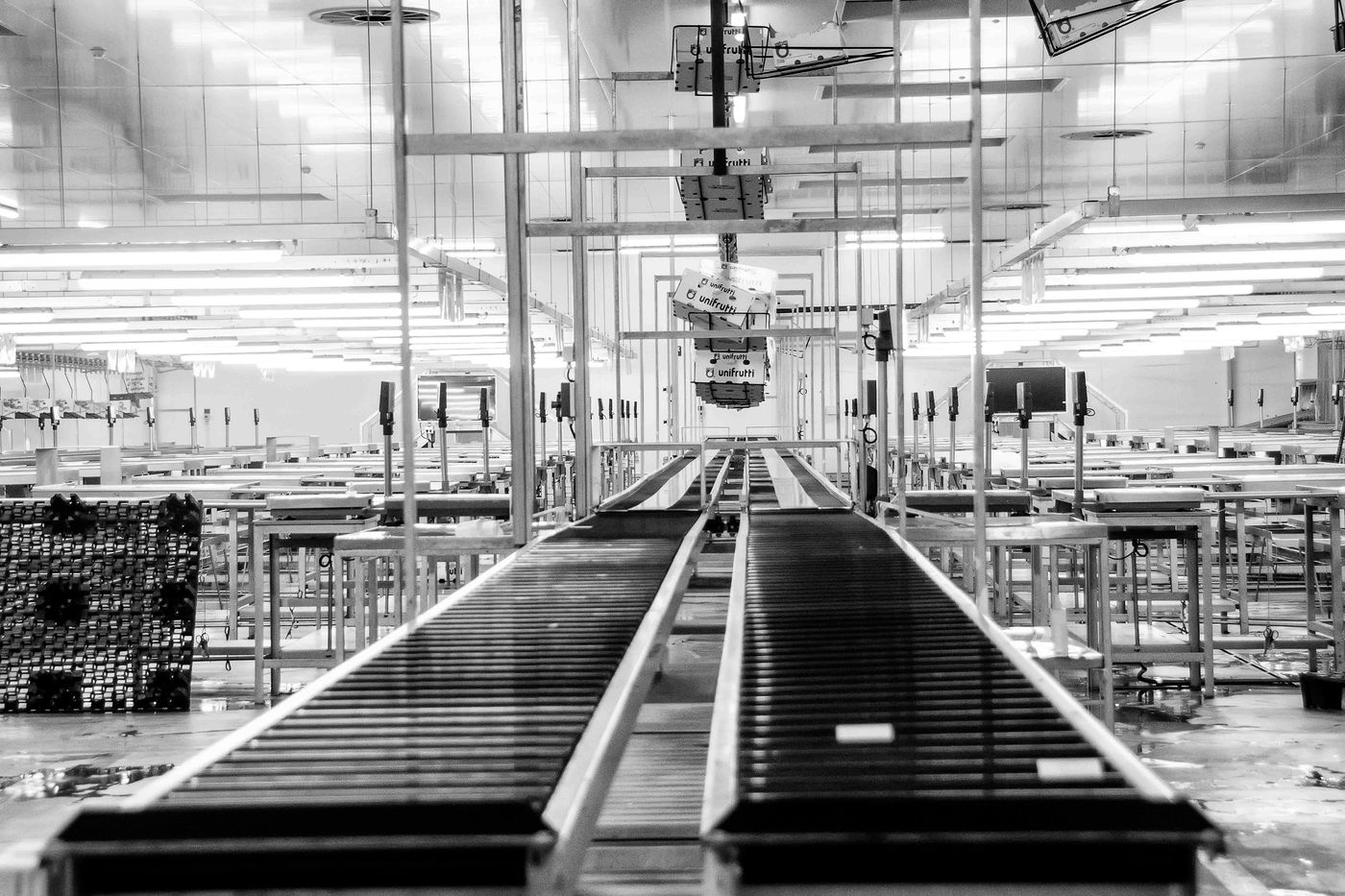
Material Flow
Straight, curved, elevating and accumulation conveyors designed around real factory layouts.
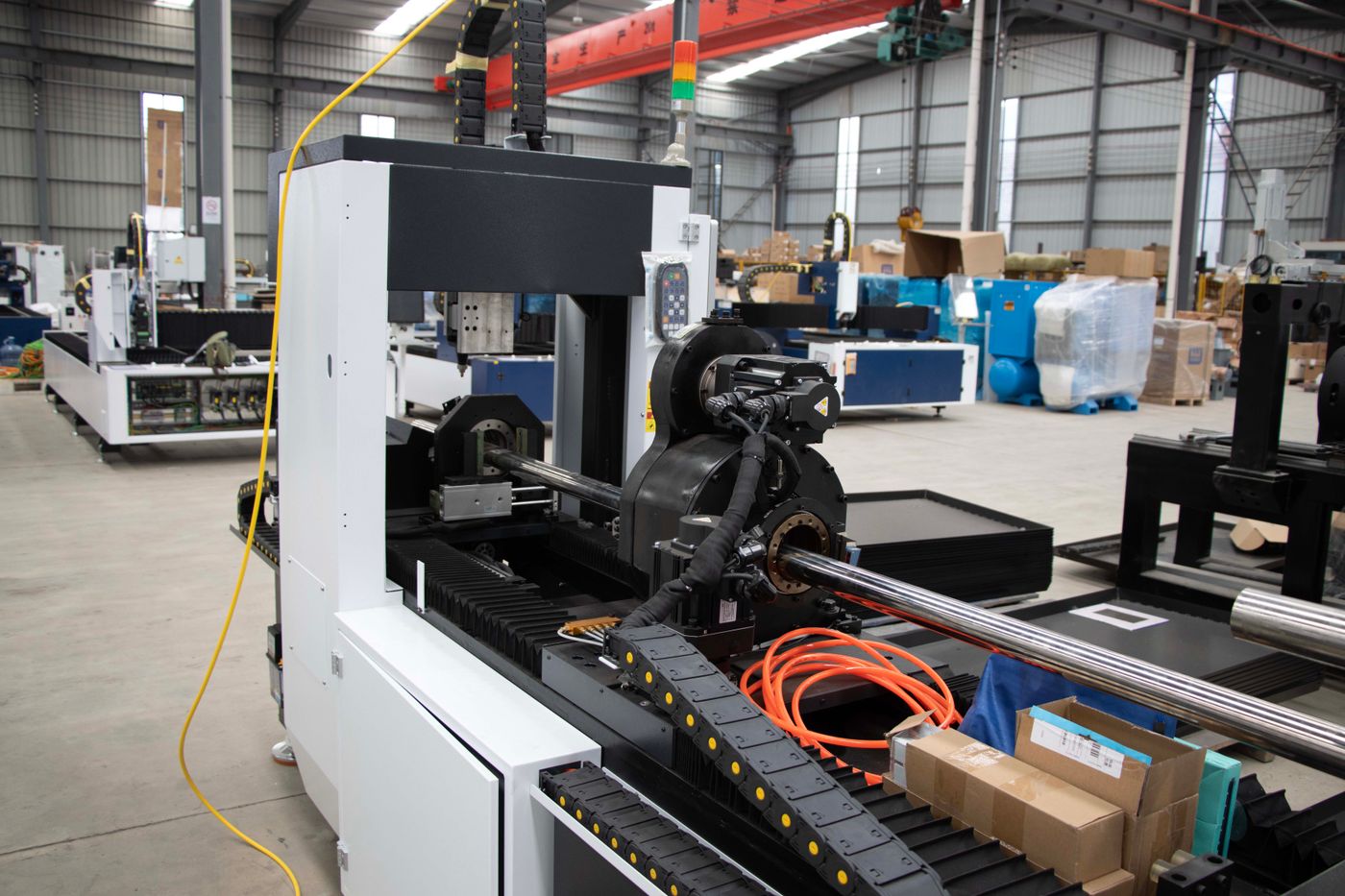
Line Integration
PLC, HMI, servo, safety and production-data integration for individual machines or complete lines.
Material Flow Applications
Each proposal connects machine configuration, project checkpoints, maintainability and after-sales support to the buyer’s actual production conditions.
Stable product handover with defined height, speed and spacing.
Balance short stops without damaging products or blocking upstream equipment.
Barcode, sensor and controls logic for destination-based product flow.
Empty pallet supply, full pallet discharge and wrapper interfaces.
Flow Challenges
Products tip, jam or lose orientation at transfer points.
Design gaps, guides, speeds and supports around the full product range.
Short downstream stops shut down the entire line.
Calculate accumulation length and zone logic from real stop duration and product pitch.
A compact layout leaves no maintenance or operator access.
Include aisles, cleaning, belt replacement, drives and service zones in the layout review.
Conveyor Selection
Product contact, cleaning, curves, accumulation and load determine the best technology.
| Selection Factor | PVC / PU Belt | Modular Chain | Powered Roller |
|---|---|---|---|
| Best for | Small products and continuous support | Curves, robust handling and cleaning | Cartons, totes and zone accumulation |
| Contact surface | Continuous belt | Linked plastic modules | Individual rollers |
| Accumulation | Product-pressure dependent | Application dependent | Strong zero-pressure options |
| Typical environment | General production | Industrial or washdown options | Dry logistics and case handling |
Material Flow Design
Transfer conditions and control behavior are confirmed for every equipment handover.
Confirm product, packaging, speed, utilities, line interfaces and site constraints.
Develop equipment selection, process flow, preliminary layout and project boundaries.
Approve drawings, component standards, controls, guarding and acceptance criteria.
Fabricate, assemble, wire and program equipment under one controlled schedule.
Run agreed tests, close punch-list items and prepare shipment documentation.
Commission the system, train operators and provide ongoing technical support.
Logistics Project
The system balanced case arrival, pallet exchange and wrapper availability while maintaining service access around a compact factory area.
Material Flow FAQ
Provide product samples, machine transfer conditions and a scaled layout for a useful proposal.
Please share product dimensions and weight, current packaging, target speed, required pack pattern, available layout, utilities, destination standard and any upstream or downstream equipment.
Usually yes, within a defined operating range. The proposal should identify no-tool adjustments, change parts, recipe settings and the expected changeover time.
A factory acceptance test is prepared around the agreed products, speed, functions, alarms, safety checks and documentation. Customer samples are strongly recommended.
Remote guidance and on-site commissioning can be planned according to project scope, location and local contractor capability.
Siemens, Allen-Bradley and other internationally supported platforms can be discussed. Final selection depends on destination standards and the customer’s maintenance preference.
Map the Product Flow
The engineering review will identify unstable handovers, buffer requirements and missing interface information.