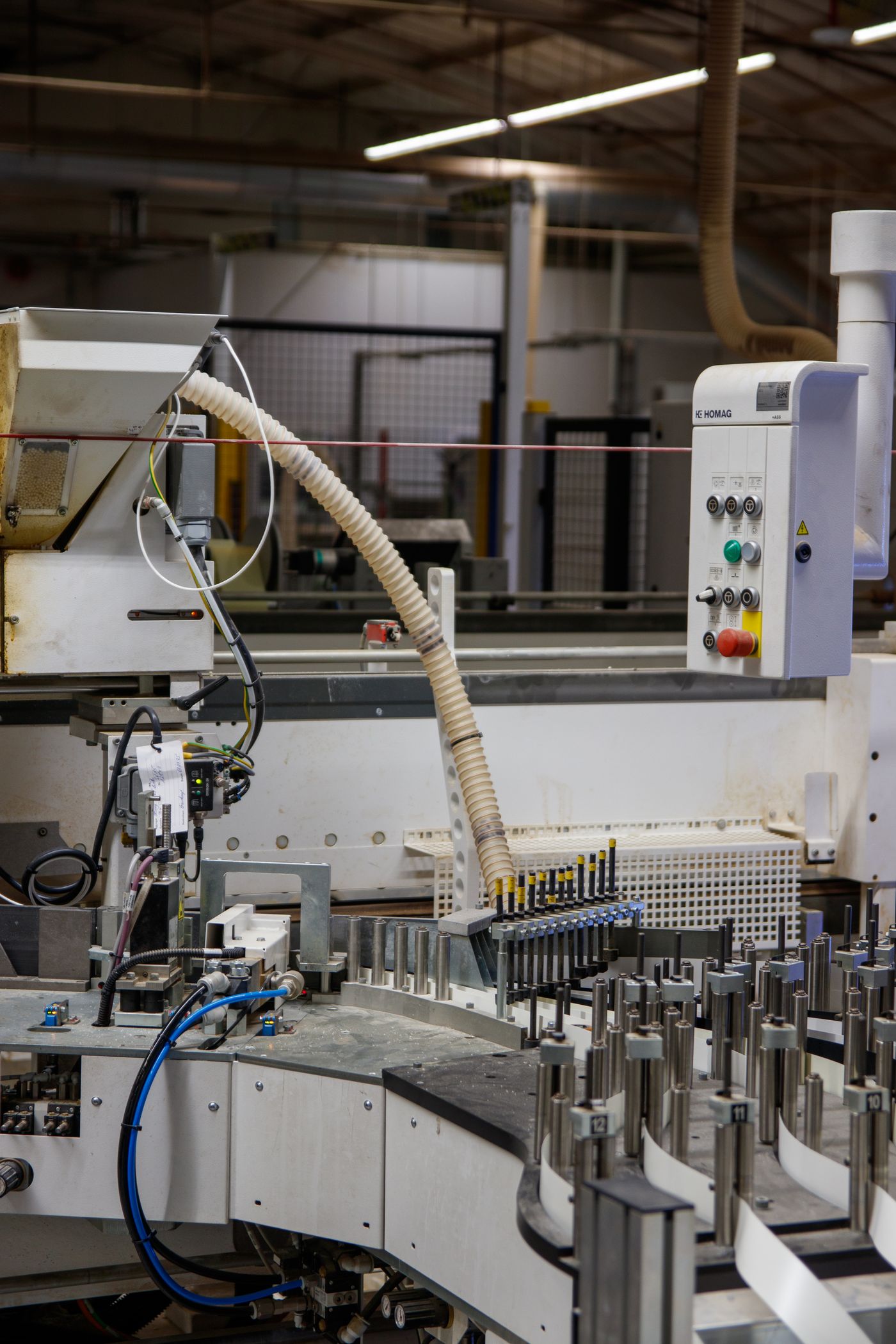
Secondary Packaging
Automatic Case Packing Systems
Flexible side-load and top-load solutions for cartons, pouches, bottles and bundled products.
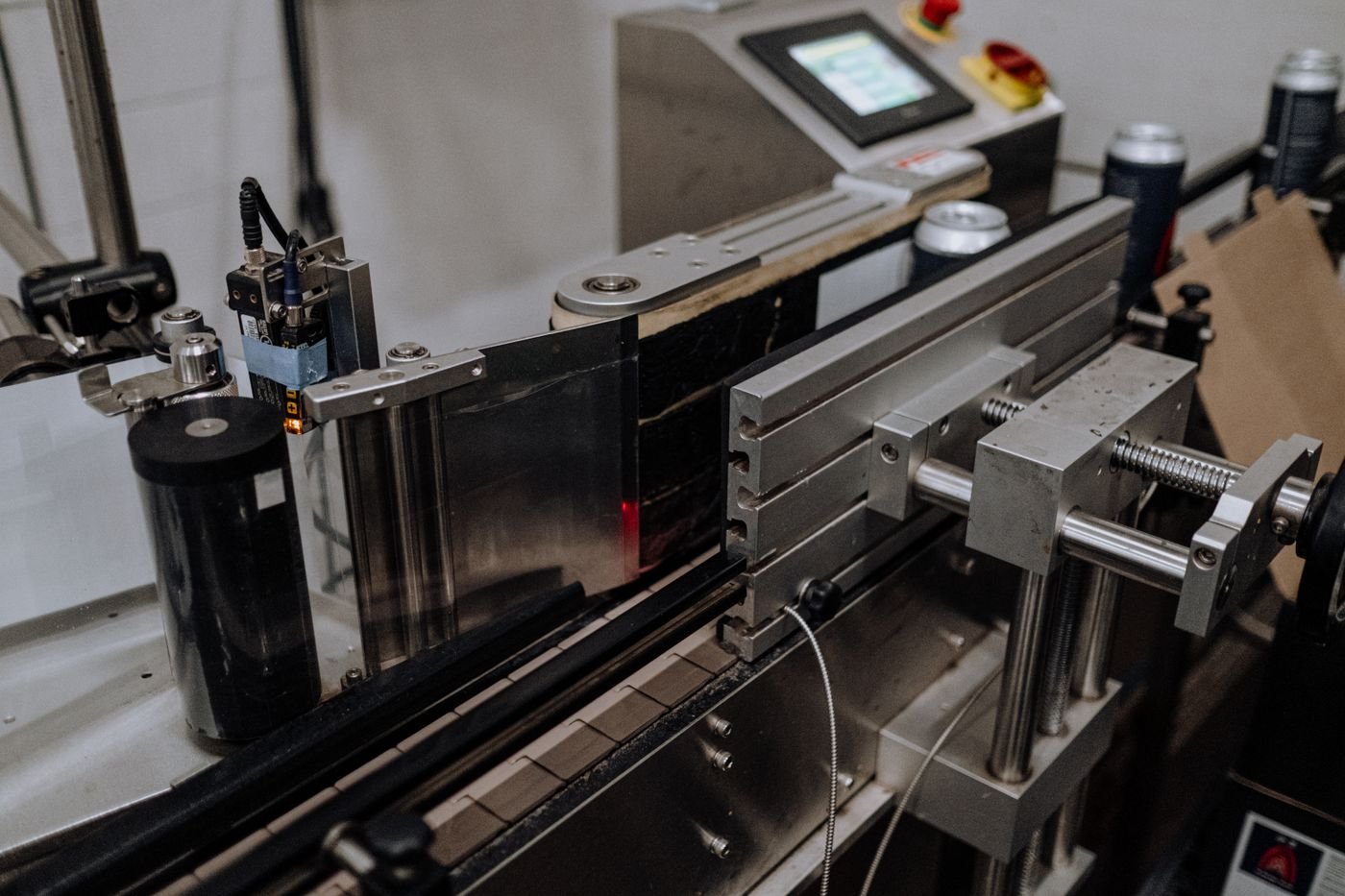
Recommended Equipment
Build the line from stable container transport, identification, inspection, secondary packing and pallet handling.
Secondary Packaging
Flexible side-load and top-load solutions for cartons, pouches, bottles and bundled products.
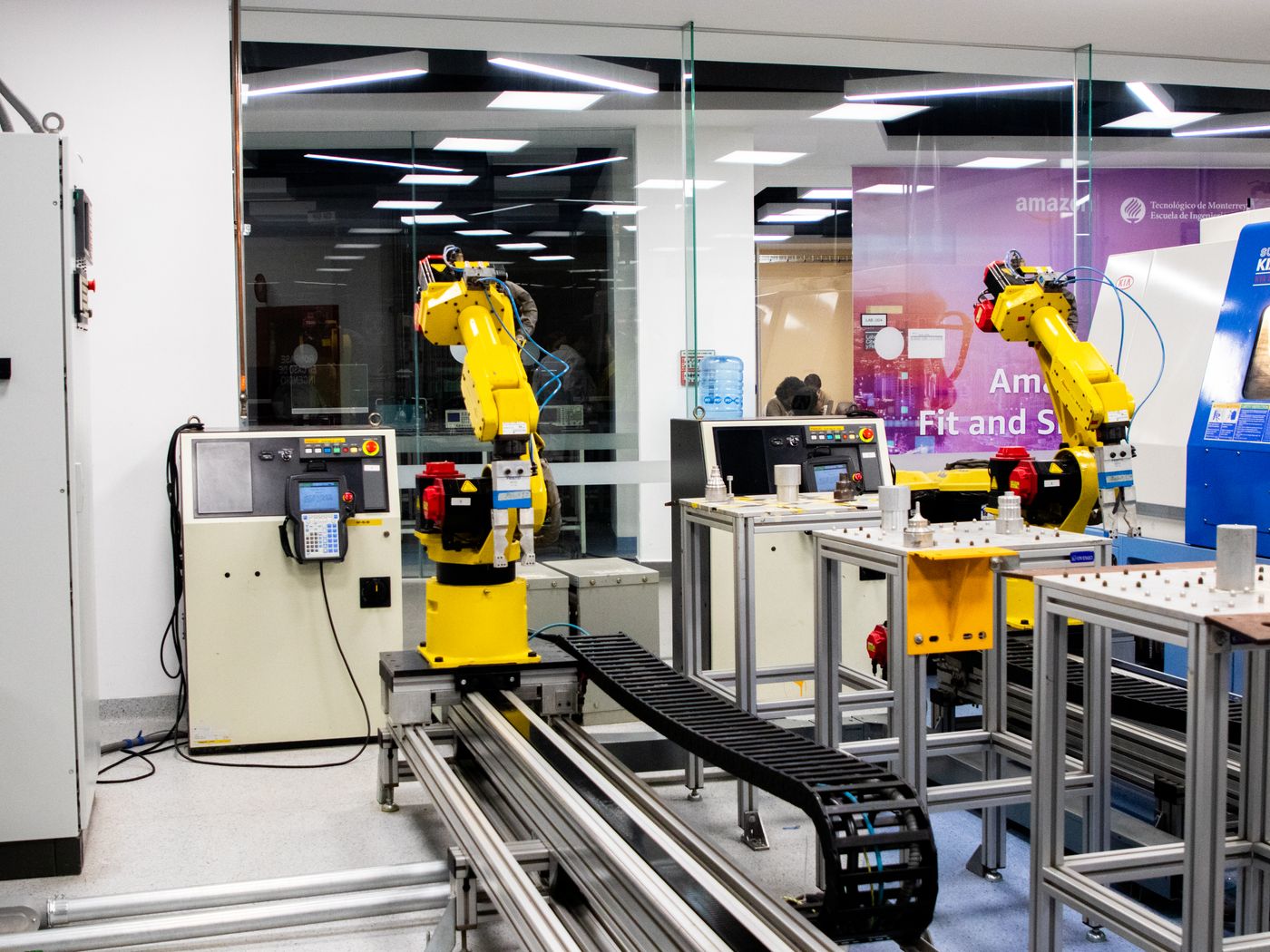
End-of-Line
Compact robot cells with grippers, safety systems and pallet handling for multiple SKUs.
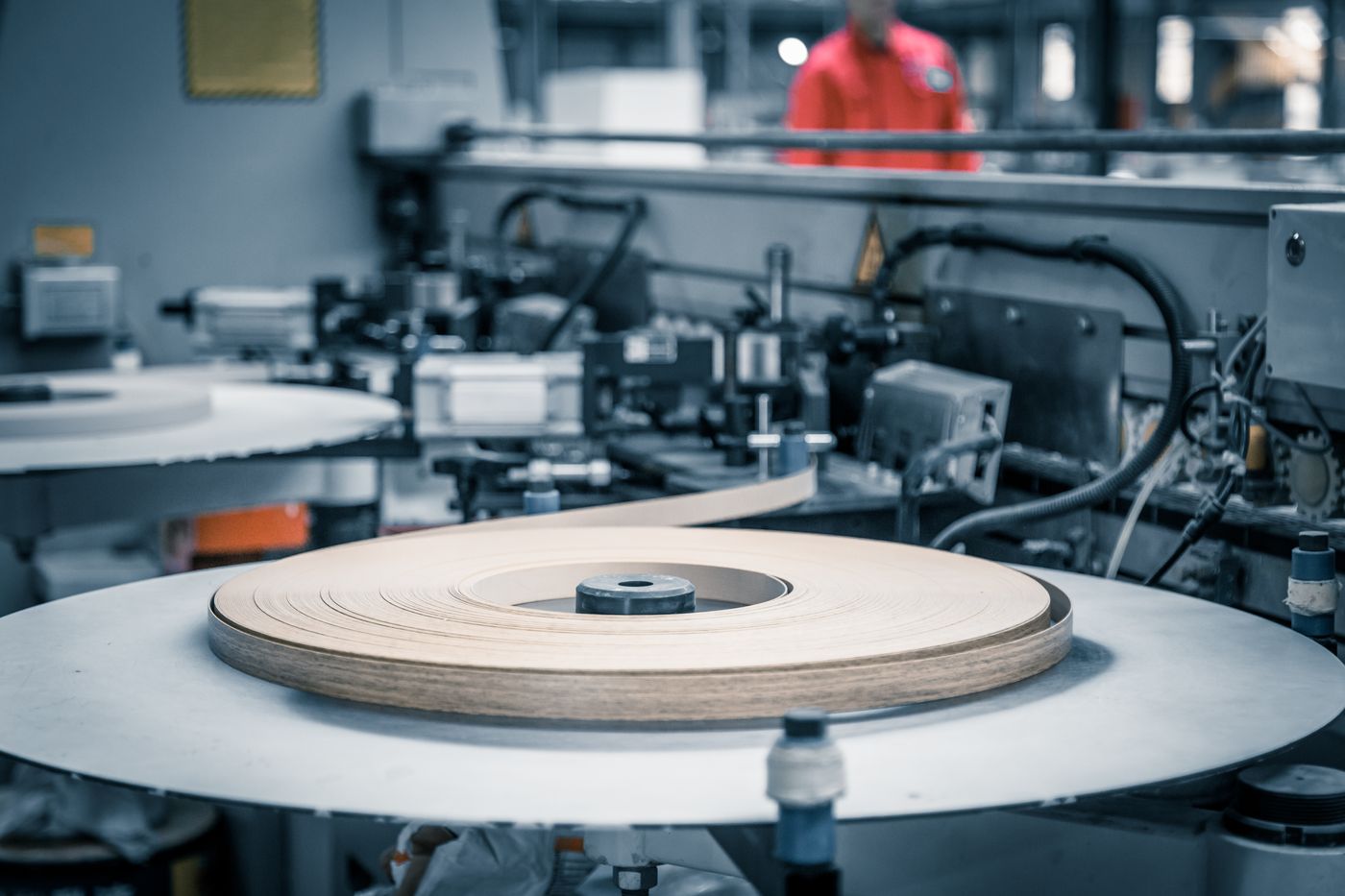
Quality Assurance
Camera-based inspection for labels, codes, caps, fill levels, dimensions and product presence.
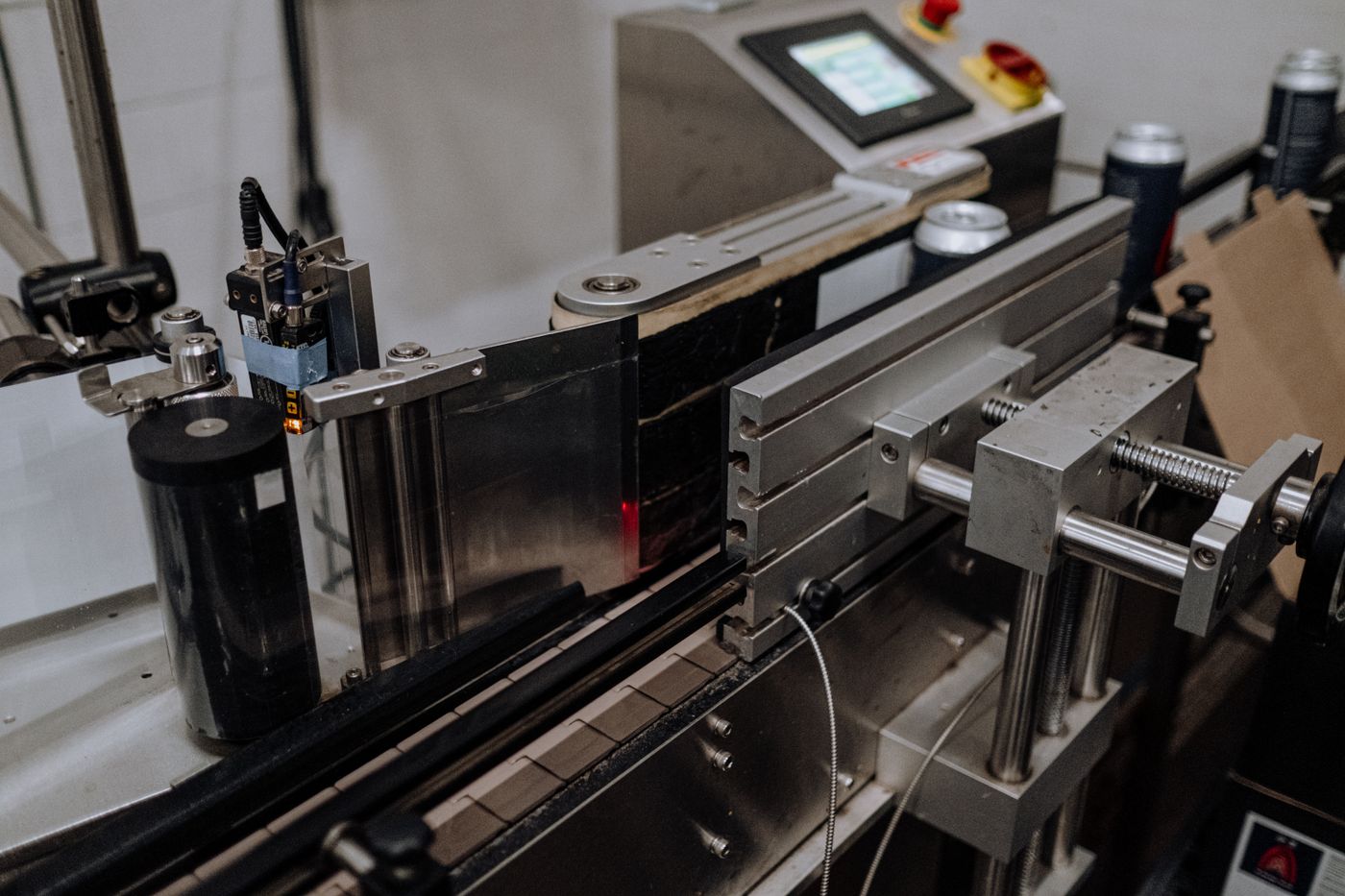
Identification
High-speed labeling, date coding and traceability integration for modern packaging lines.
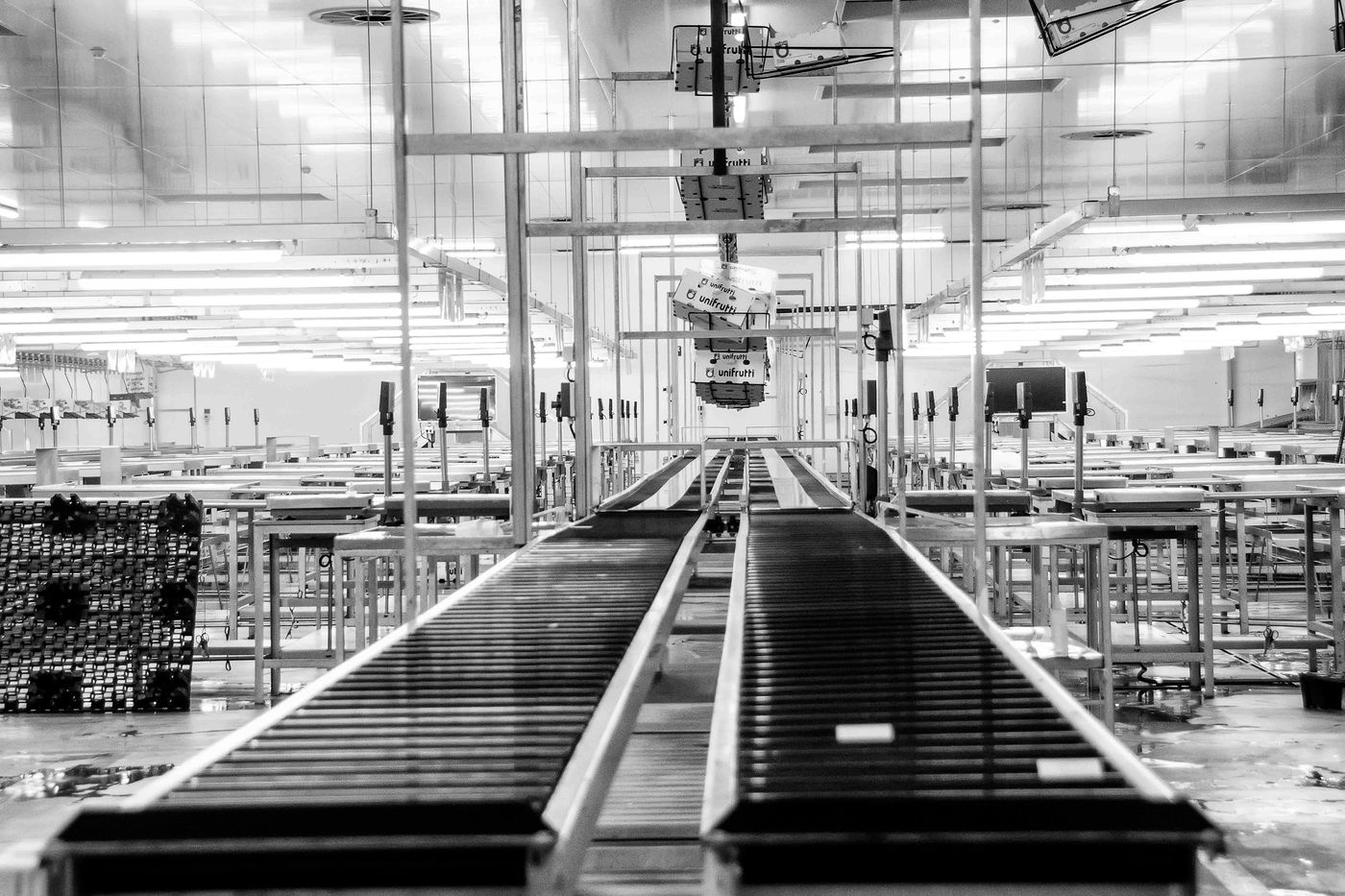
Material Flow
Straight, curved, elevating and accumulation conveyors designed around real factory layouts.
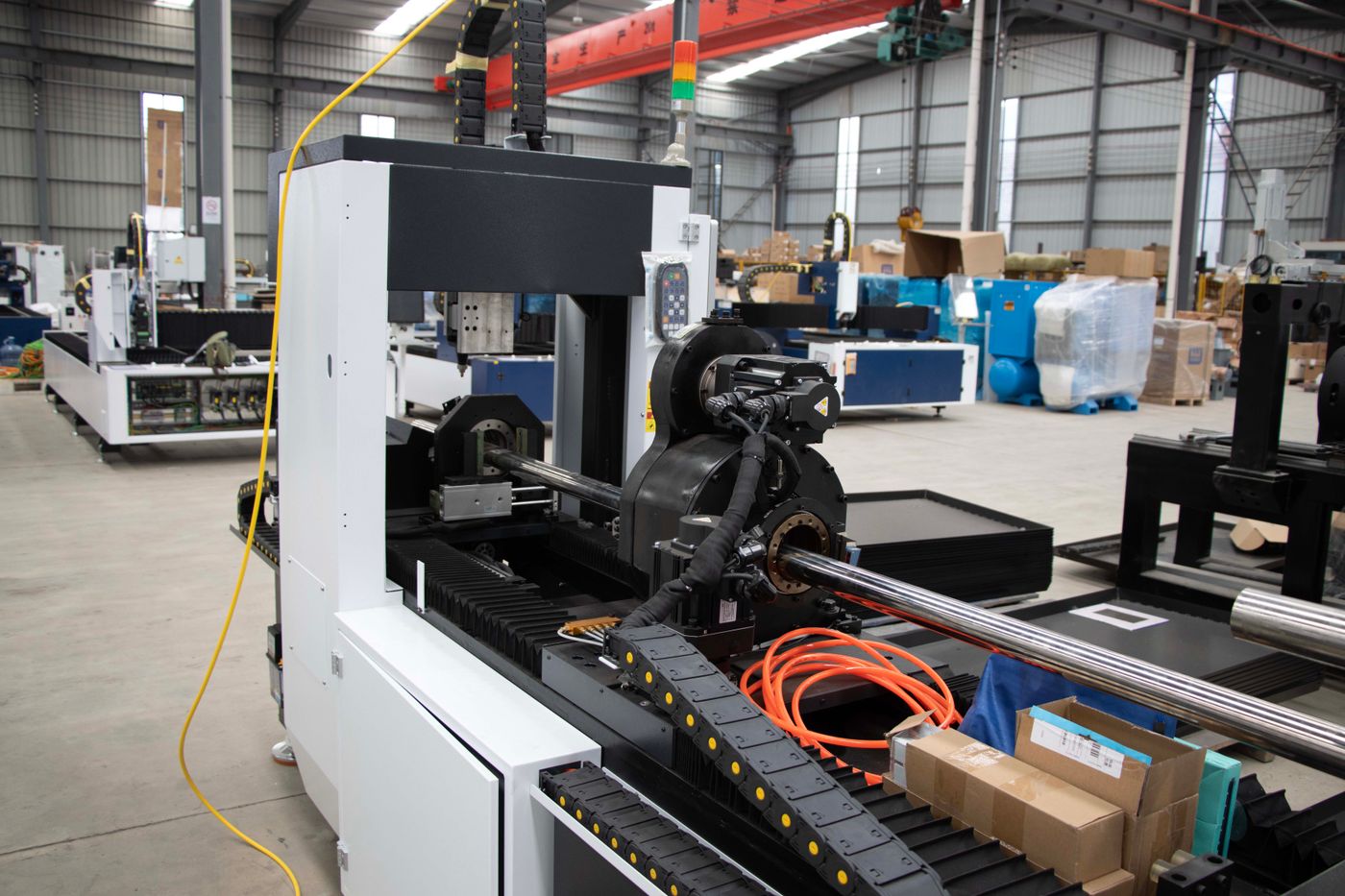
Line Integration
PLC, HMI, servo, safety and production-data integration for individual machines or complete lines.
Typical Production Areas
Each proposal connects machine configuration, project checkpoints, maintainability and after-sales support to the buyer’s actual production conditions.
Spacing, transfer, accumulation and orientation for bottles, cans and jars.
Label application, coding, OCR, barcode and batch verification.
Case packing, tray loading, bundling and sealing interfaces.
Robotic palletizing, pallet conveyors and wrapper integration.
Industry Challenges
Lightweight containers become unstable at higher speed.
Design guides, spacing and accumulation around real container behavior.
Date codes or labels are present but incorrect.
Add code content and label verification with tracked rejection.
Several package formats create long setup stops.
Use recipes, repeatable adjustments and a documented format matrix.
Line Architecture
Select the automation level based on output, product range, labor and future expansion.
| Decision Factor | Assisted Operation | Integrated Packaging Cell | Turnkey Line |
|---|---|---|---|
| Best for | Lower output or high variation | Defined packaging sequence | Complete high-output process |
| Labor role | Load, inspect or transfer | Supervise cell and replenish materials | Monitor coordinated line and quality |
| Controls | Local machine controls | Cell-level recipes and handshakes | Line states, recipes and production data |
| Acceptance | Function test | Coordinated cell FAT | Integrated product-flow FAT |
Food & Beverage Project
The line combines container transfer, label application, code verification, case packing and robotic palletizing around the customer’s real bottle and can formats.
Food-Line FAT
FAT includes normal product variation, format change, reject logic, line stops and production restart.
Confirm products, formats, packaging materials, speeds and acceptance methods before FAT.
Review build quality, components, guarding, access, wiring, labels and utilities.
Test automatic modes, recipes, output, quality, rejects and accumulation behavior.
Challenge alarms, interlocks, emergency stops, blocked products and controlled restart.
Review manuals, drawings, backups, spare parts, training and remaining actions.
Project Inputs
Container drawings, label rolls, case samples, code requirements, speed and line layout reduce quotation assumptions.
Food & Beverage FAQ
Final equipment materials and cleaning design depend on the actual production zone and product exposure.
Please share product dimensions and weight, current packaging, target speed, required pack pattern, available layout, utilities, destination standard and any upstream or downstream equipment.
Usually yes, within a defined operating range. The proposal should identify no-tool adjustments, change parts, recipe settings and the expected changeover time.
A factory acceptance test is prepared around the agreed products, speed, functions, alarms, safety checks and documentation. Customer samples are strongly recommended.
Remote guidance and on-site commissioning can be planned according to project scope, location and local contractor capability.
Siemens, Allen-Bradley and other internationally supported platforms can be discussed. Final selection depends on destination standards and the customer’s maintenance preference.
Plan a Packaging Line
Representative samples and a current layout make the first technical proposal far more useful.