Application Engineering
Product testing, process definition, equipment selection and capacity study.
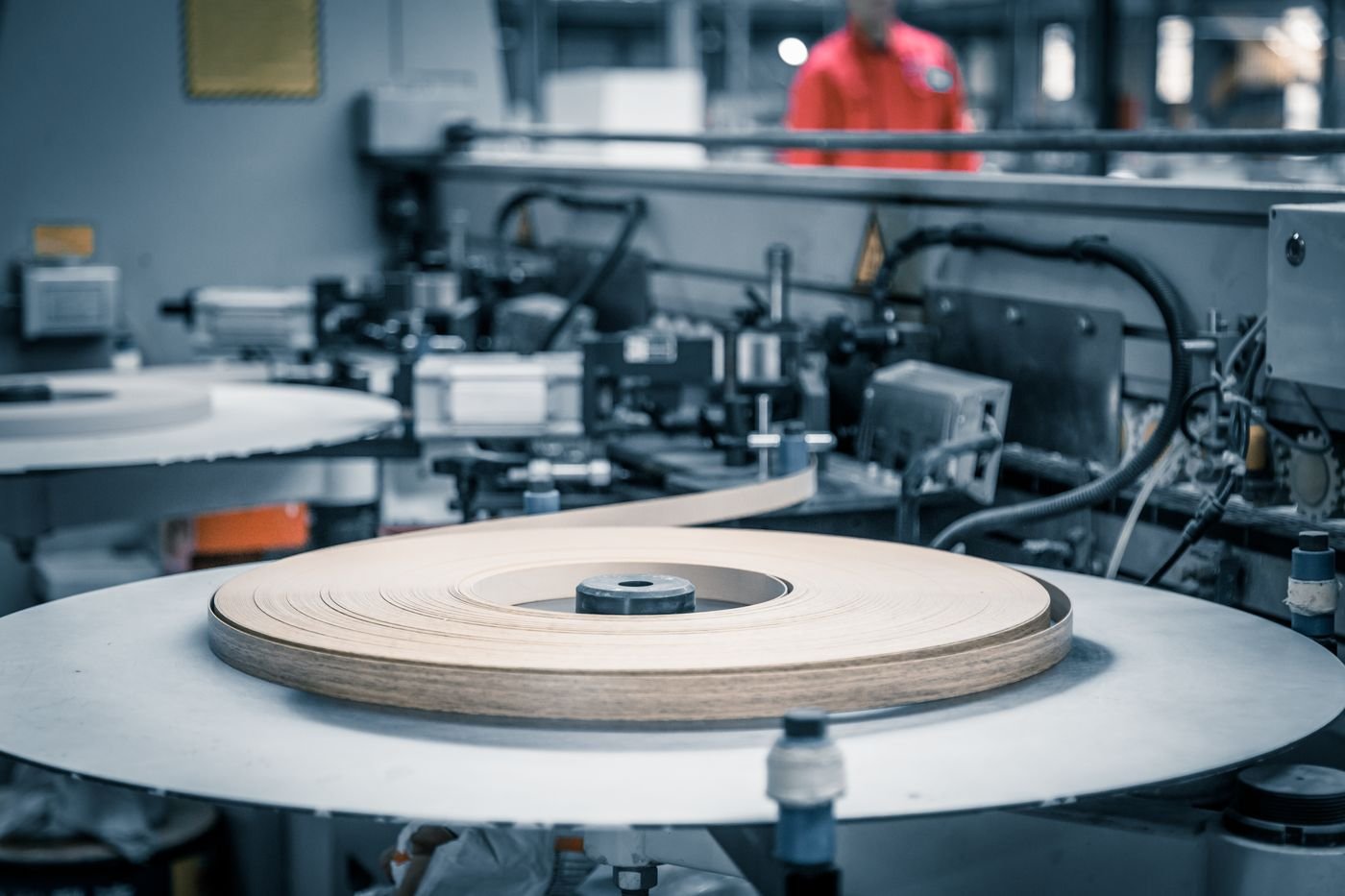
Service Scope
Services can support one machine, an integrated cell or a complete line.
Product testing, process definition, equipment selection and capacity study.
Machine design, access, guarding, transfers, utilities and installation planning.
PLC, HMI, servo, robot, vision, line states, recipes and data interfaces.
FAT, site start-up, training, remote diagnostics, spares and upgrades.
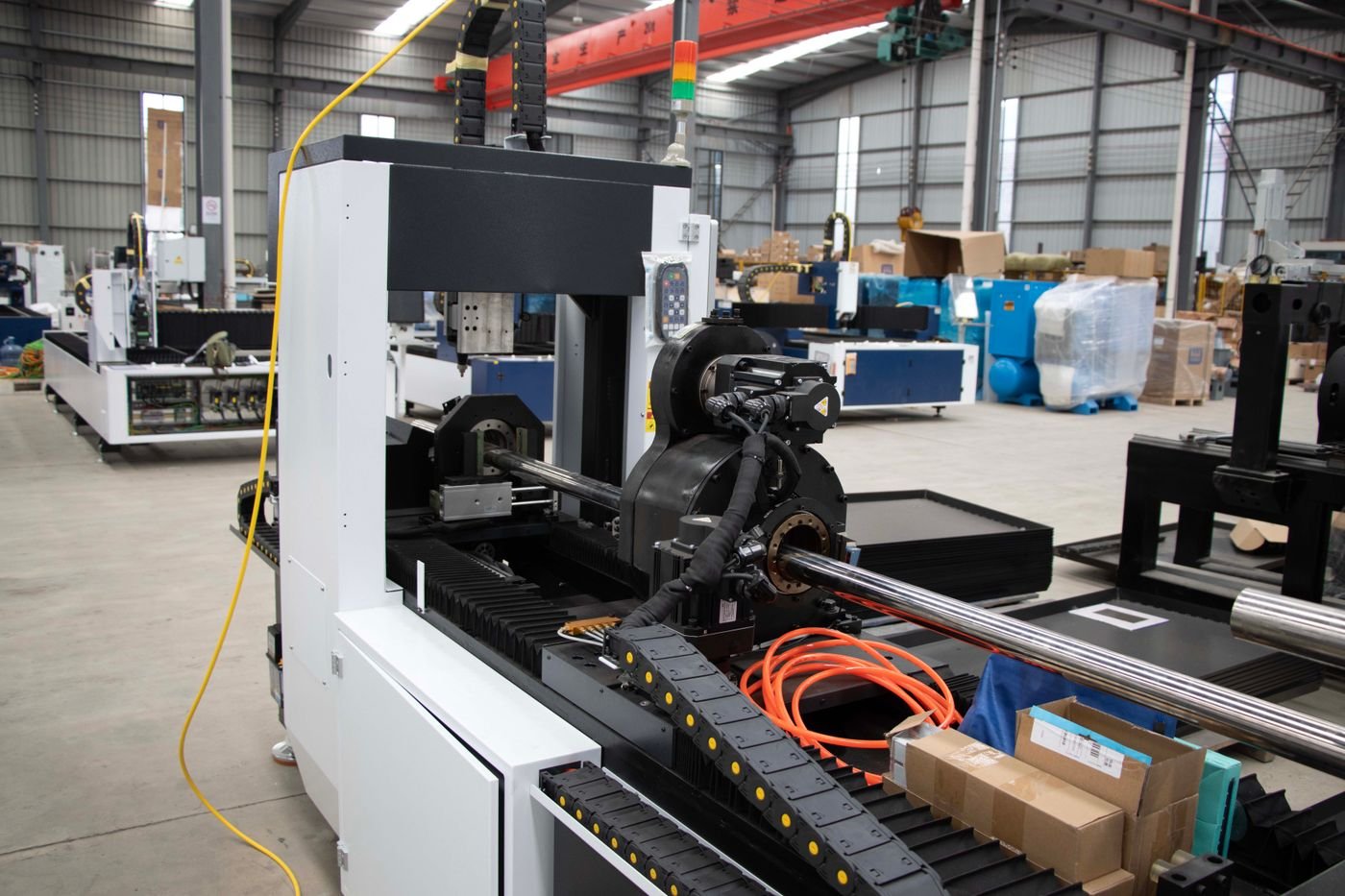
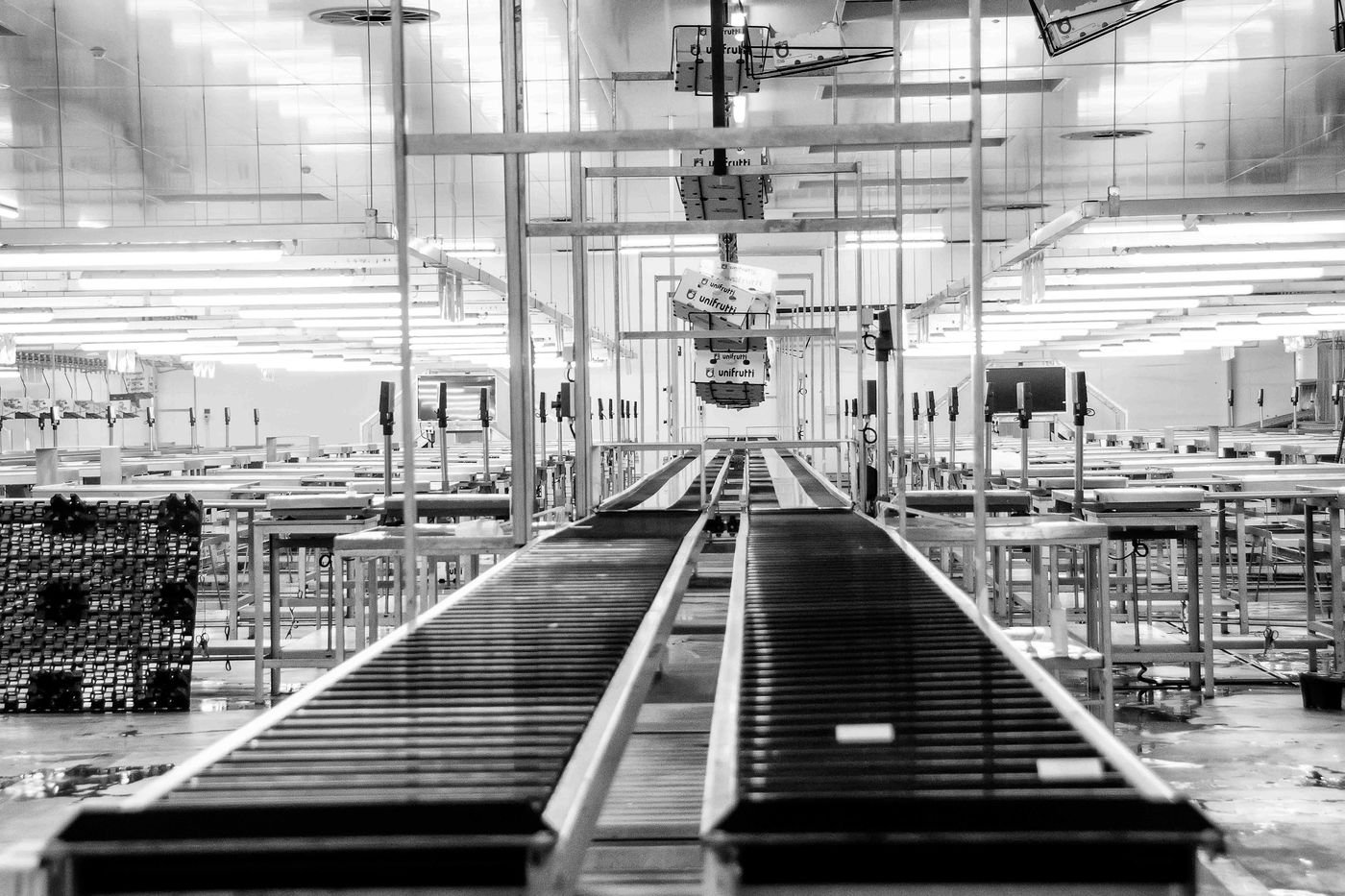
Engineering Workflow
Layouts, interfaces, components, safety and software functions pass through controlled approval stages. This makes project changes visible while they are still inexpensive to resolve.
Confirm process flow, equipment architecture and project boundary.
Approve drawings, access, guarding, controls, components and interfaces.
Confirm samples, test sequence, acceptance method, documents and open actions.
Engineering Process
Each step closes a specific group of unknowns before manufacturing begins.
Confirm product, packaging, speed, utilities, line interfaces and site constraints.
Develop equipment selection, process flow, preliminary layout and project boundaries.
Approve drawings, component standards, controls, guarding and acceptance criteria.
Fabricate, assemble, wire and program equipment under one controlled schedule.
Run agreed tests, close punch-list items and prepare shipment documentation.
Commission the system, train operators and provide ongoing technical support.
Quality and FAT
The FAT method, samples, operating conditions and documentation are connected to the approved specification.
Verify approved drawings, materials, brands and technical deviations.
Review workmanship, access, guarding, wiring, labels and utilities.
Challenge automatic, manual, maintenance and format-control functions.
Run agreed products and verify alarms, rejects, stops and recovery.
Complete manuals, backups, parts lists, training and punch-list records.
Engineering Deliverables
Layouts, specifications, interface lists, drawings, software descriptions, FAT records and service documents provide continuity from concept to handover.
Service Risk Control
Service depth is demonstrated by how unknowns and interfaces are managed.
Quoted speed does not reflect real product handling
Test representative samples and define speed together with reject rate, accumulation and changeover assumptions.
Interfaces between machines are unclear
Create an interface list covering signals, heights, product transfers, safety zones and responsibility boundaries.
Installation delays production start-up
Complete FAT, utility checks, site-preparation lists and remote pre-commissioning reviews before shipment.
Engineering Service FAQ
Clarify which activities are included and which require customer or local-contractor support.
Please share product dimensions and weight, current packaging, target speed, required pack pattern, available layout, utilities, destination standard and any upstream or downstream equipment.
Usually yes, within a defined operating range. The proposal should identify no-tool adjustments, change parts, recipe settings and the expected changeover time.
A factory acceptance test is prepared around the agreed products, speed, functions, alarms, safety checks and documentation. Customer samples are strongly recommended.
Remote guidance and on-site commissioning can be planned according to project scope, location and local contractor capability.
Siemens, Allen-Bradley and other internationally supported platforms can be discussed. Final selection depends on destination standards and the customer’s maintenance preference.
Request an Engineering Review
Share available information and unresolved constraints. The next step may be a sample test, layout review or technical workshop.