Systems Delivered
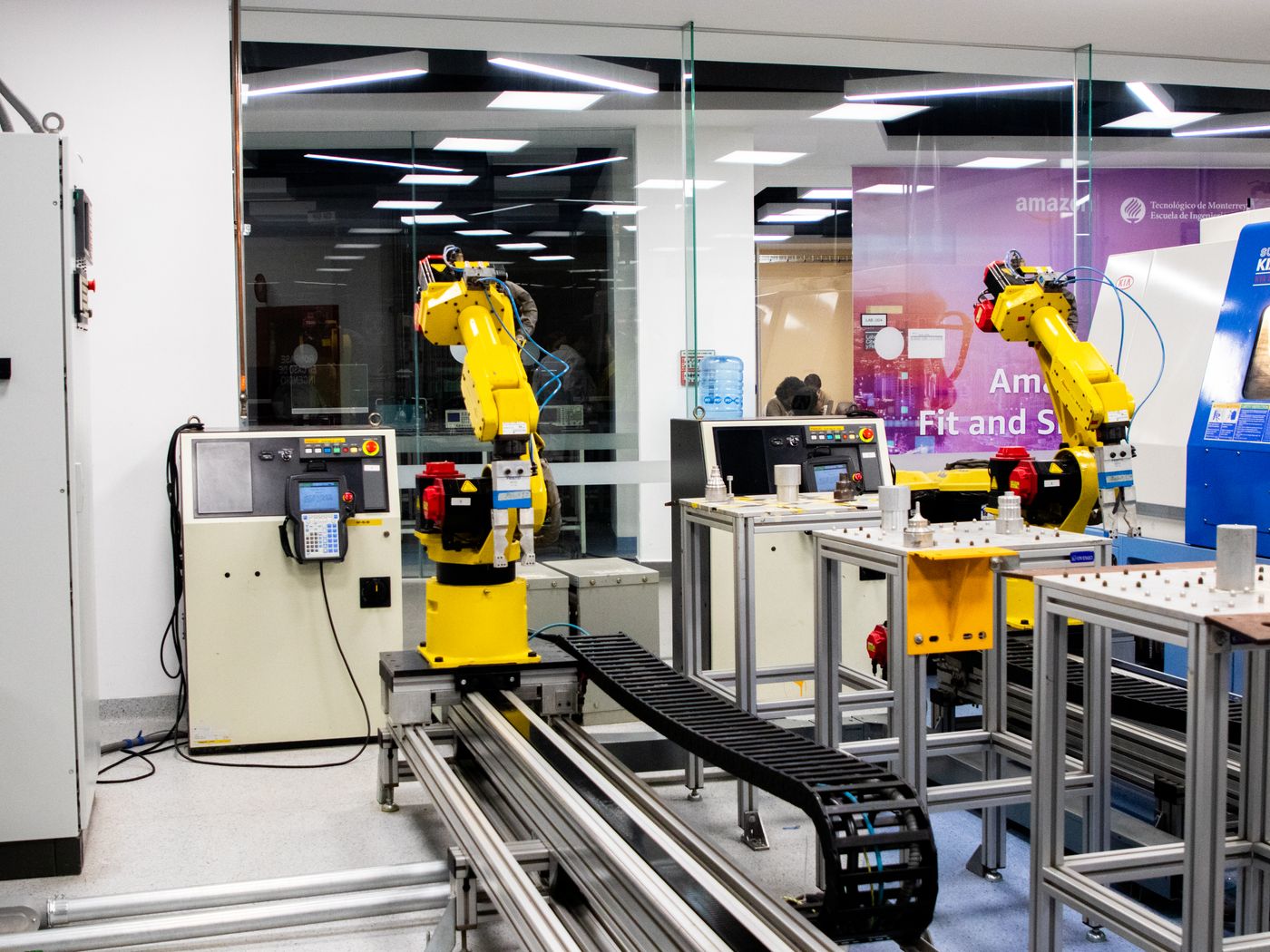
Individual equipment, robot cells and coordinated production lines.
Project Portfolio
These demonstration figures show how capacity, delivery experience and international service can be presented without overcrowding the page.
Individual equipment, robot cells and coordinated production lines.
Reusable equipment concepts adapted through project engineering.
Documentation and support prepared for international projects.
Secure diagnostics and troubleshooting can be included by scope.
Featured Project
The customer required one coordinated line for label verification, case packing and palletizing across several container formats. The project focused on product transitions, recipe ownership, buffer capacity and changeover access.
FAT used customer products and packaging to verify line states, reject tracking, output and controlled recovery after common faults.
Project Types
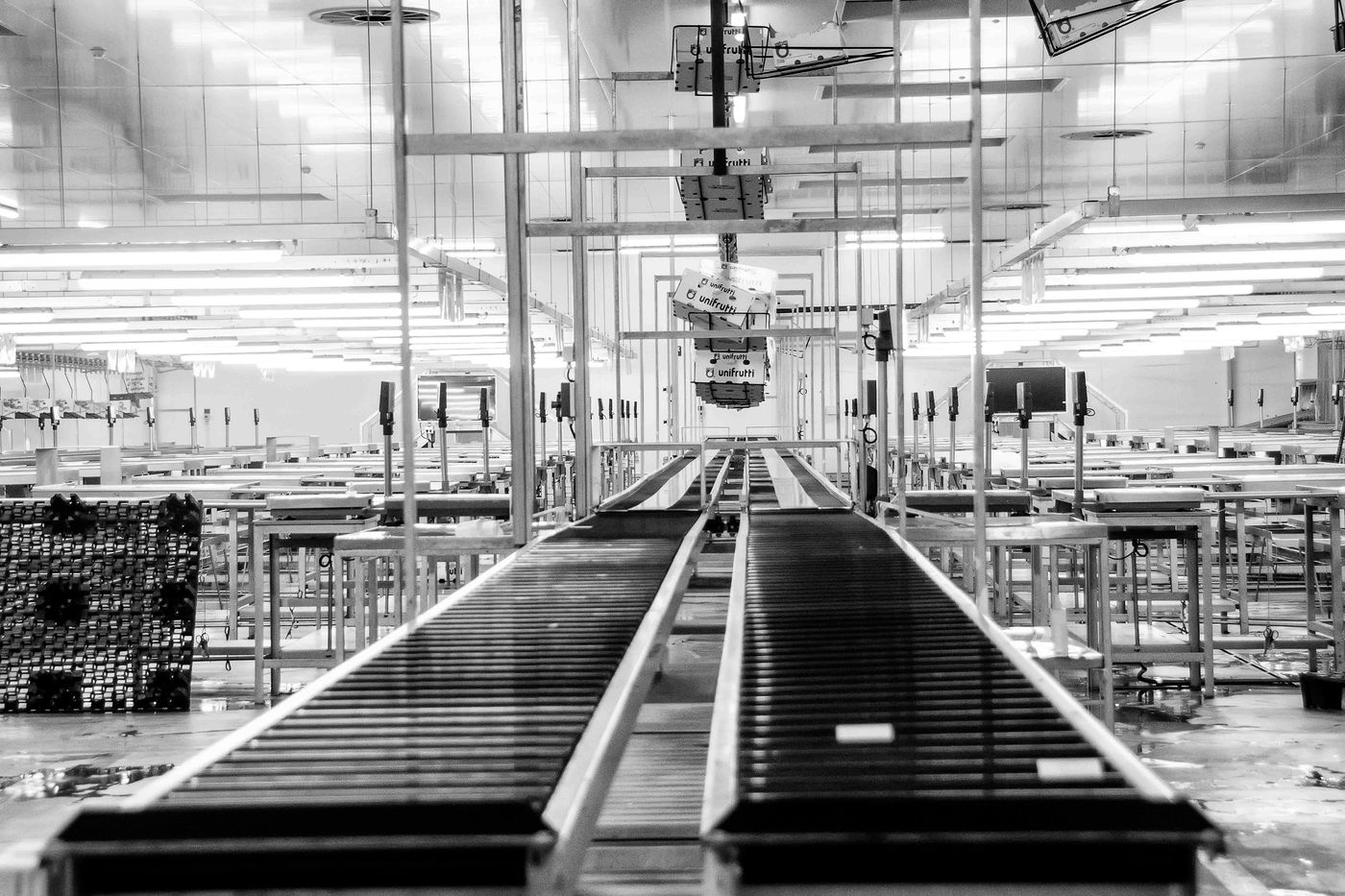
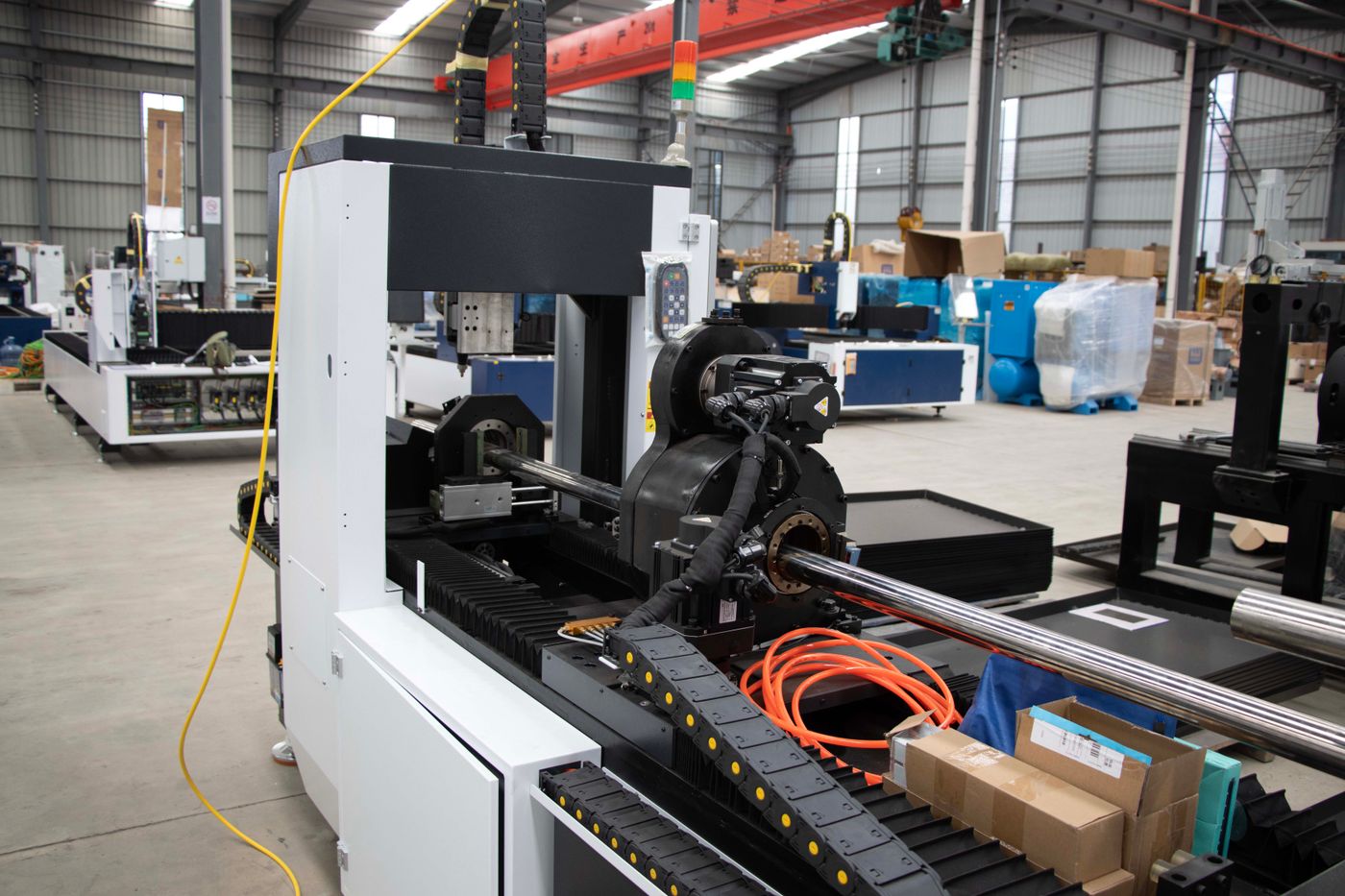
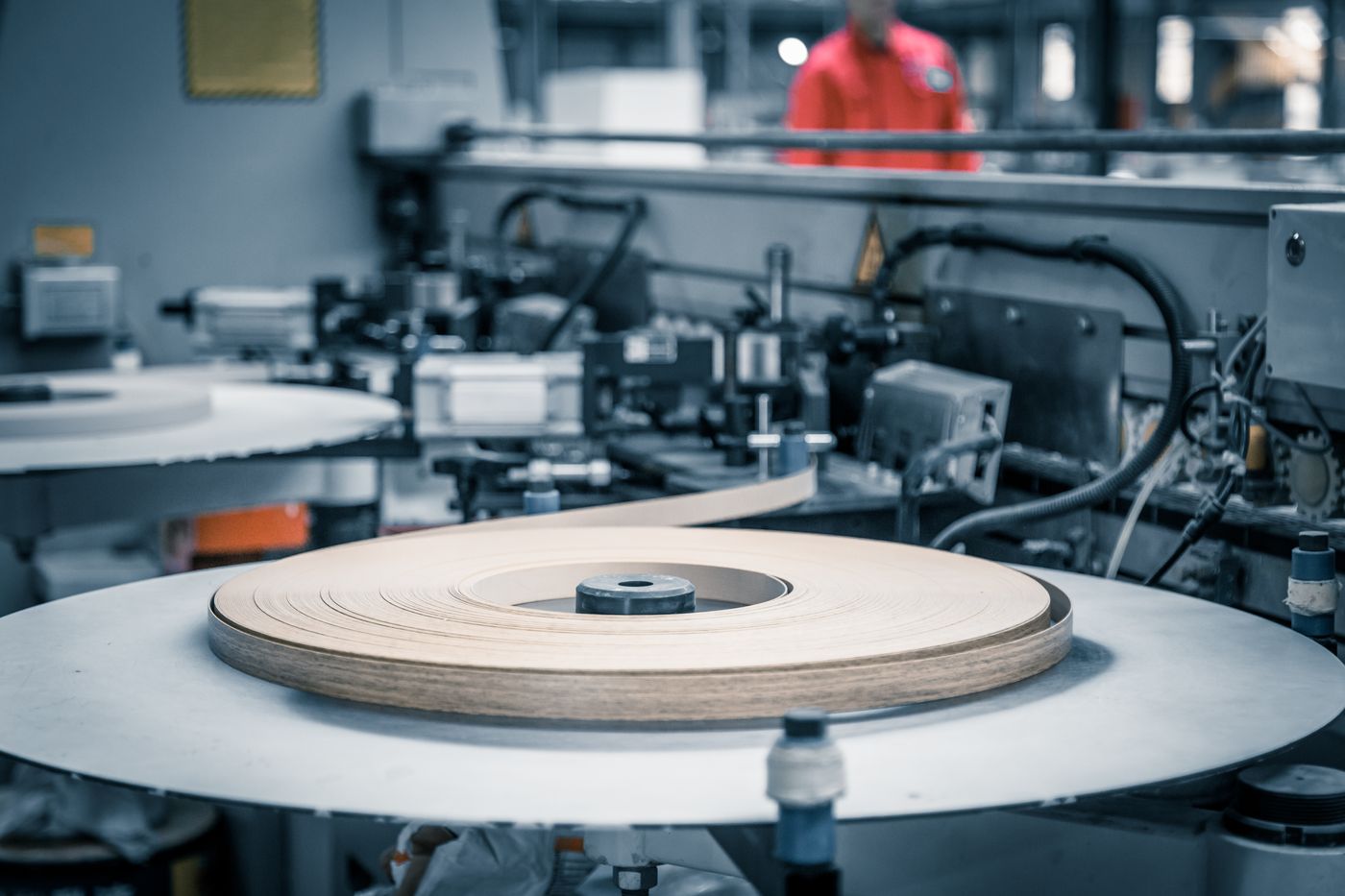
Different images and project stages create a more credible independent-site presentation.
What Each Case Study Should Show
Each proposal connects machine configuration, project checkpoints, maintainability and after-sales support to the buyer’s actual production conditions.
Original process, labor, quality or capacity problem.
Machines, controls, interfaces, retained equipment and project boundary.
Product handling, line balance, safety, changeover and service access.
Test method, measured performance, training and production result.
Project Milestones
Confirm products, packaging, process, speed and layout inputs.
Approve equipment architecture, layout, boundaries and acceptance basis.
Release drawings, software functions, components and manufacturing schedule.
Run agreed products, close the punch list and complete documentation.
Commission equipment, train the team and stabilize production.
Project Feedback
Clear layouts, realistic tests and visible responsibilities often matter as much as machine specifications.
The team converted our product list and floor-space limits into a clear layout, then tracked every interface through FAT.
 Operations Manager Food Manufacturer, Europe
Changeover access, spare parts and remote support were discussed before the order, not after the machine arrived.
Engineering Director Consumer Goods, Middle East
The project documents made installation far easier for our local electrical and mechanical contractors.
Project Integrator North America
Project Evidence
Use verified project samples to help future buyers understand the level of engineering and documentation.
Project FAQ
Commercially sensitive details can remain private while the project method and verified scope are still explained.
Please share product dimensions and weight, current packaging, target speed, required pack pattern, available layout, utilities, destination standard and any upstream or downstream equipment.
Usually yes, within a defined operating range. The proposal should identify no-tool adjustments, change parts, recipe settings and the expected changeover time.
A factory acceptance test is prepared around the agreed products, speed, functions, alarms, safety checks and documentation. Customer samples are strongly recommended.
Remote guidance and on-site commissioning can be planned according to project scope, location and local contractor capability.
Siemens, Allen-Bradley and other internationally supported platforms can be discussed. Final selection depends on destination standards and the customer’s maintenance preference.
Discuss a Similar Project
A useful discussion starts by comparing the current condition, product range, layout and acceptance target.